
Last updated November 15, 2026
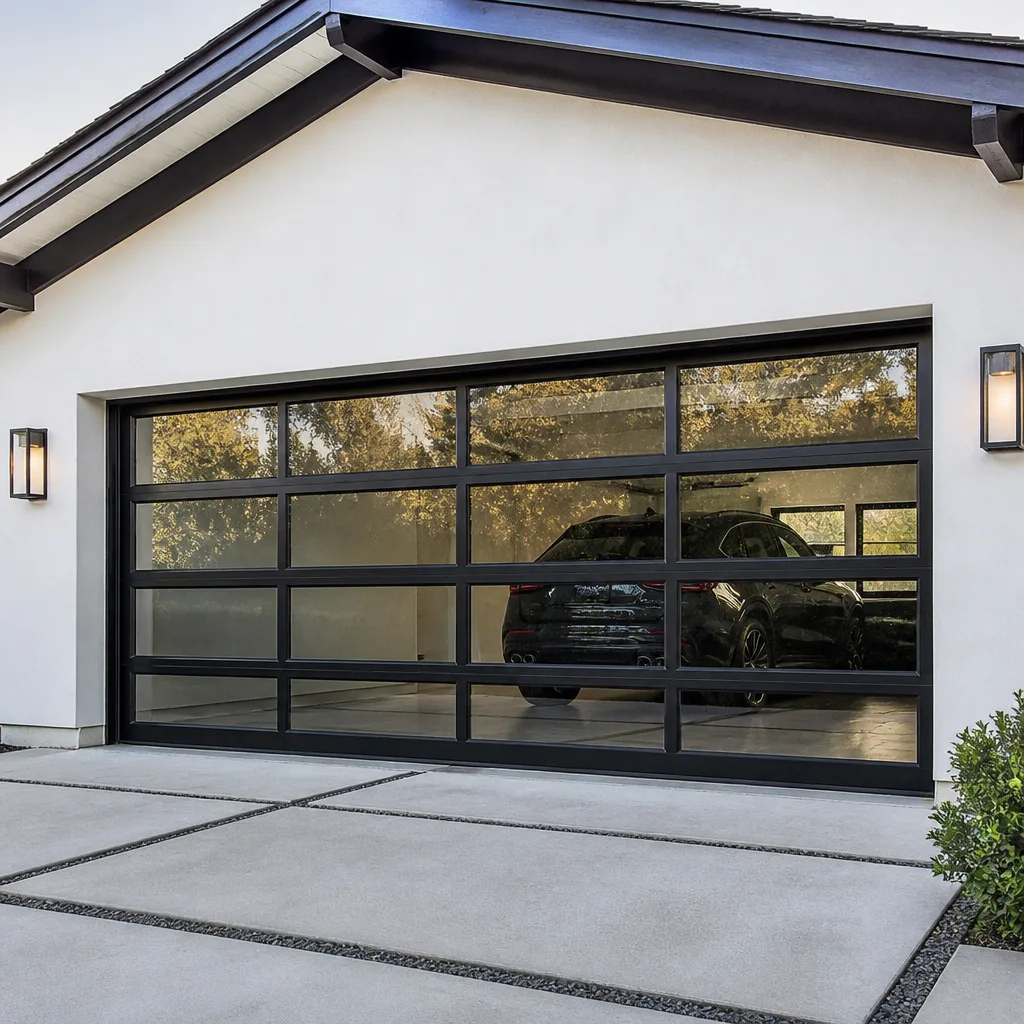 Full-view glass
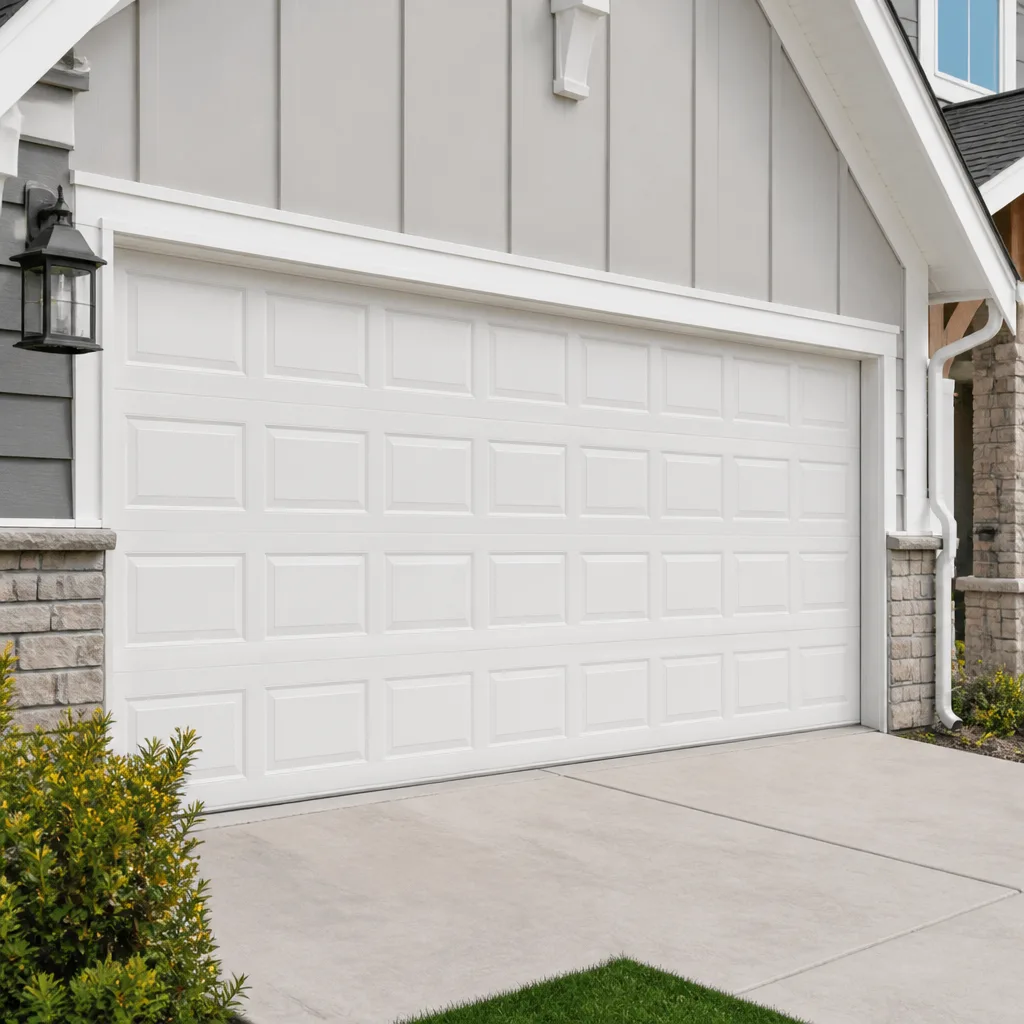 Raised-panel steel
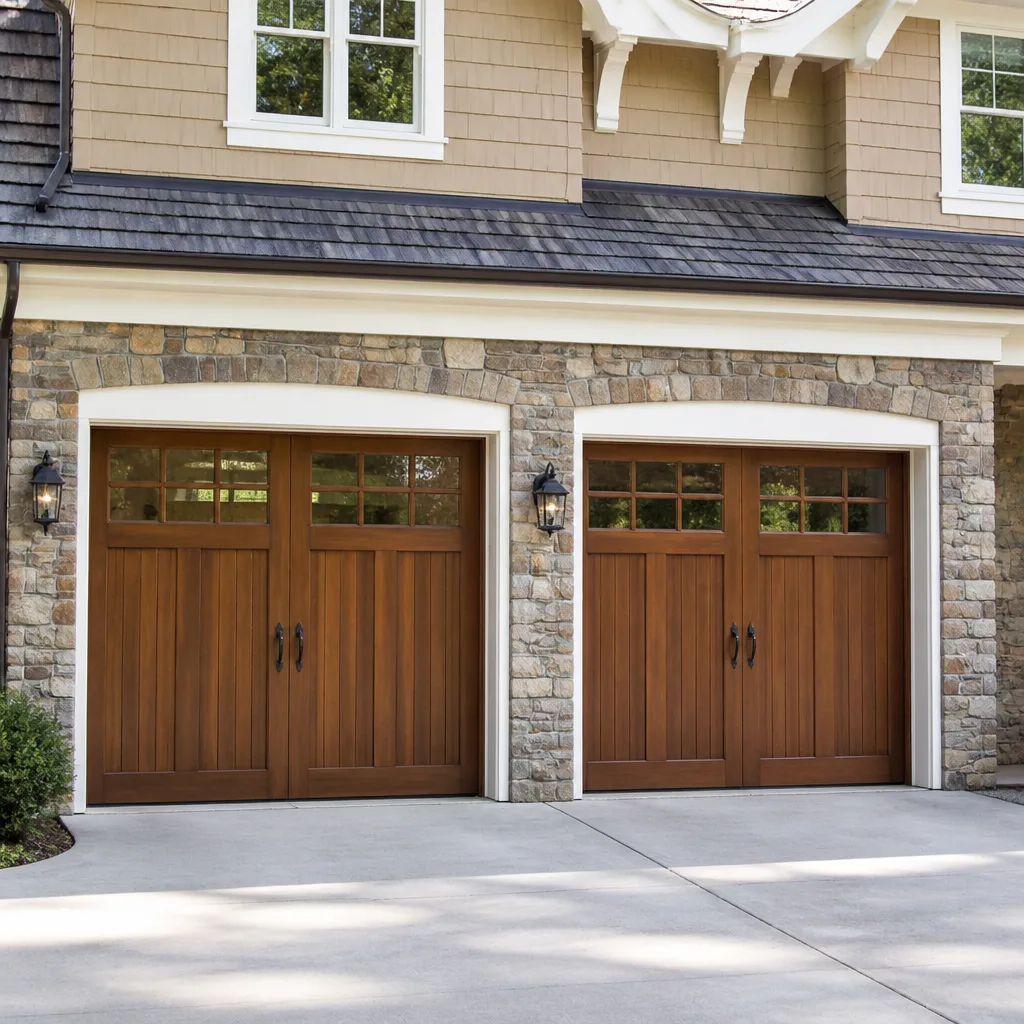 Carriage house
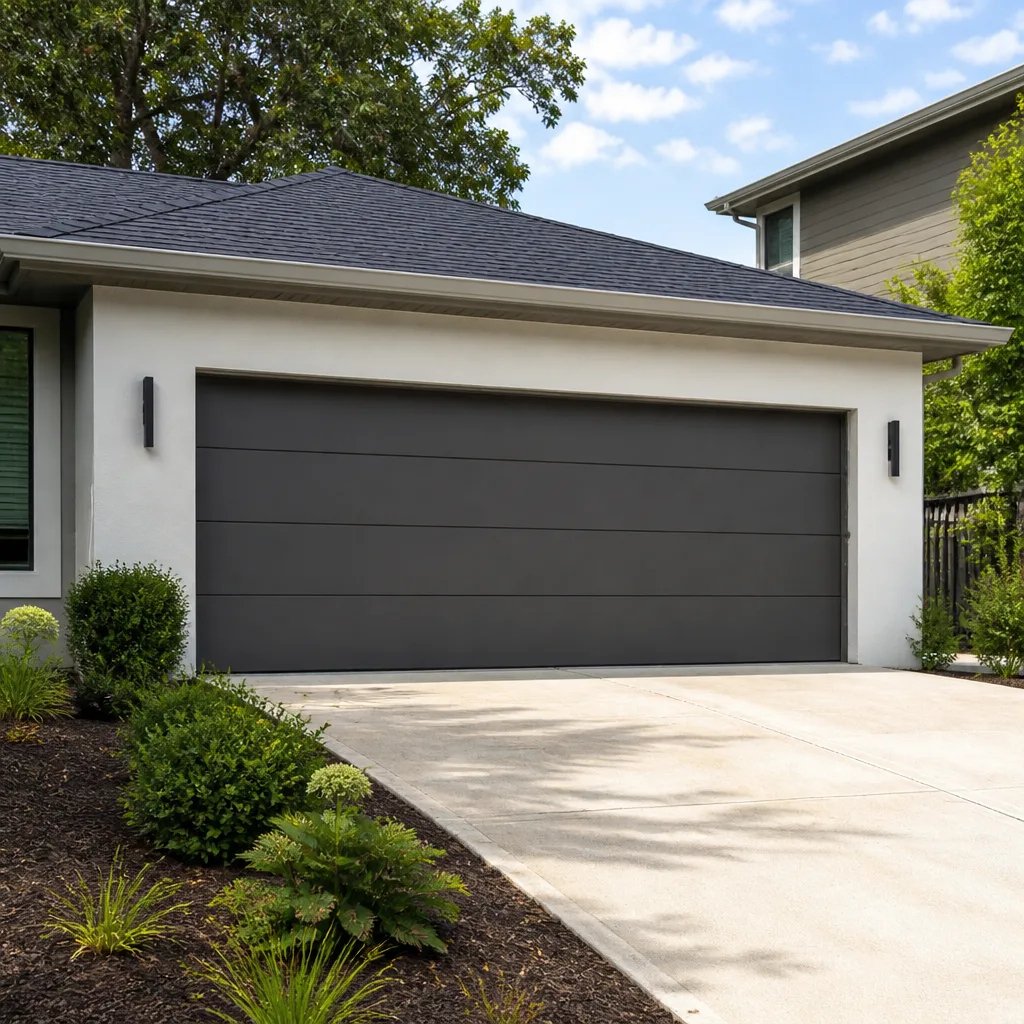 Modern flush
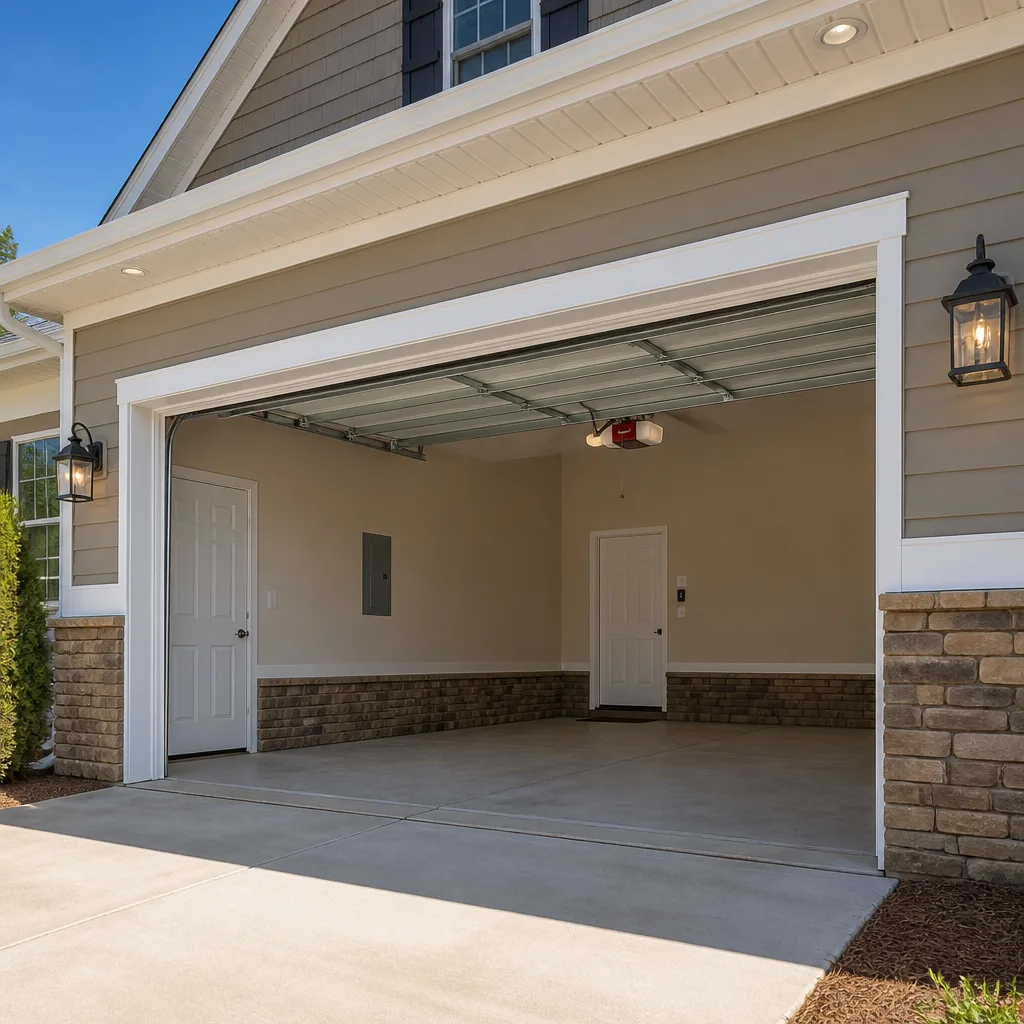 LiftMaster openers
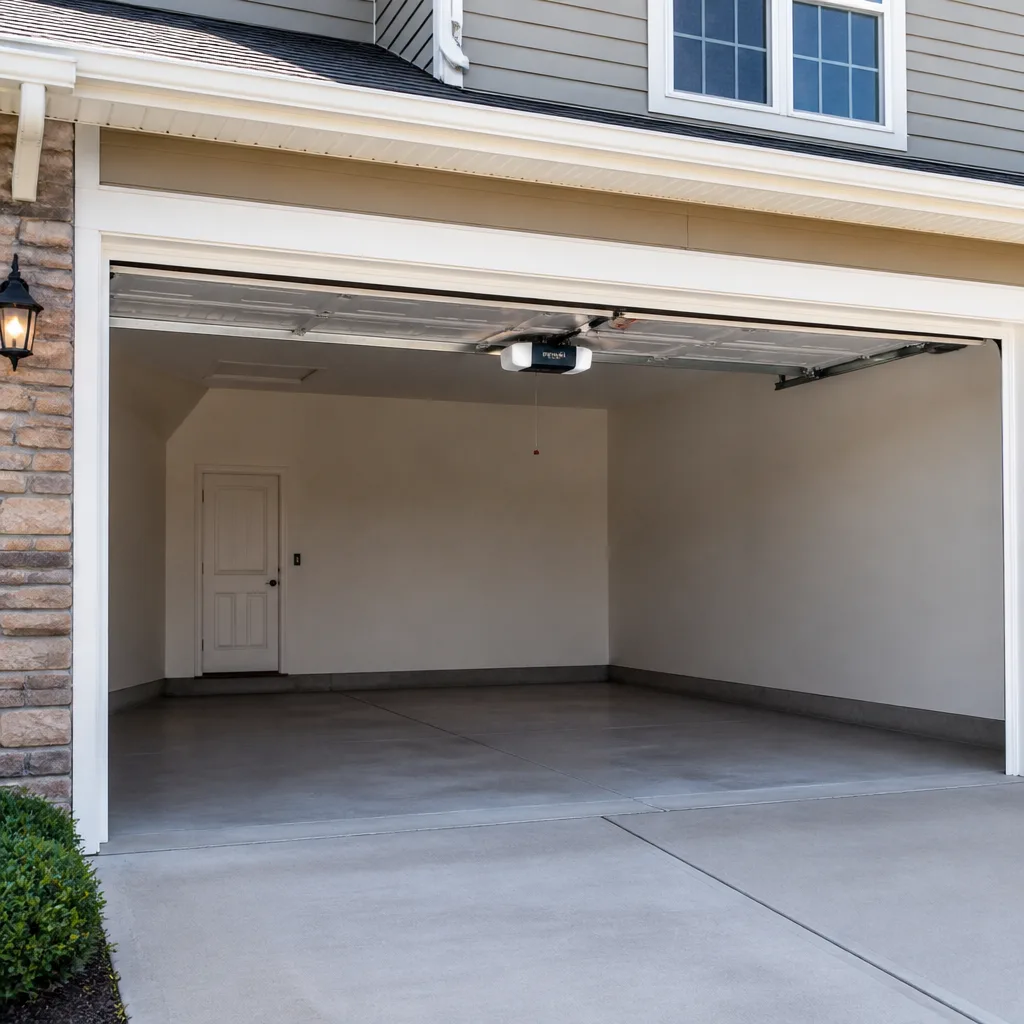 Chamberlain openers
Full 25-point door and opener safety check with every visit - springs, cables, rollers, tracks, and your LiftMaster or Chamberlain opener included
You get a price before we start. It does not change when the pro arrives.
Get your free estimateGarage Door Emergency Preparedness Guide for Riverview Homes
Most Riverview homeowners prepare for hurricanes by buying water and batteries. Very few check the one part of the house that takes the wind load first. The garage door is usually the largest opening on a Florida home, and an untested or worn door can fail long before the storm reaches its peak. A door that has never been run under load, or that sits on tired springs, is a different problem from a door that simply looks fine. This guide splits garage door emergencies into two plans: the storm plan and the mechanical-failure plan. Riverview sits in a hurricane region, so both matter here.
Quick Answer
Garage door emergency preparedness in Riverview means two separate plans, not one. For storms, confirm the door’s actual wind-load rating from its label or documentation, test the manual release while the power is on, and know how to brace the door if the opener fails mid-storm. For mechanical failures (snapped cable, broken spring, door off its track), the first ten minutes are about making the door safe and leaving it alone, not forcing it. Then call a specialist.
Styles & brands we work with
- Raised-panel steel
- Carriage house
- Modern flush
- Full-view glass
- LiftMaster openers
- Chamberlain openers
Table of Contents
- Why Storm Damage and Mechanical Failure Need Different Plans
- How to Confirm Your Door’s Real Wind-Load Rating
- Pre-Storm Protocol for Riverview Homes
- The Manual Release Cord: When to Pull It and When Not To
- The First Ten Minutes of a Mechanical Emergency
- Post-Storm Damage Documentation for Insurance
- How to Vet Emergency Garage Door Help After a Storm
- Getting the Door Working Again
Why Storm Damage and Mechanical Failure Need Different Plans
These two emergencies look similar from the driveway and behave nothing alike. A storm emergency is a loading event: wind pushes against the door, the door transfers that force into its tracks, hinges, and the header above. A mechanical failure is a wear event: a cable or spring gives out under normal use, often on a calm afternoon with no weather involved at all. The preparation is different because the failure modes are different.
For storm preparation, the questions are about rating, anchoring, and backup. Does the door carry a wind-load rating, and can you prove it? Will the opener work if power drops? If it won’t, can you secure the door by hand? For mechanical preparation, the questions are about condition and knowledge. Are the springs near the end of their life? Do you know where the manual release is and how it behaves? Do you know what not to touch when a cable lets go?
In our experience across Riverview, the homeowners who come through a storm season calmly are the ones who answered the storm questions in advance. The homeowners who panic are usually dealing with a mechanical problem they mistook for storm damage, or the reverse. A door that won’t close after a power outage is not damaged. It’s waiting for someone to release it correctly.
- Storm emergency: wind load, anchoring, power loss, water intrusion at the threshold.
- Mechanical emergency: cable snap, spring failure, door off track, opener failure.
- Shared ground: both end with a specialist inspection, and both get worse when forced.
How to Confirm Your Door’s Real Wind-Load Rating
Don’t trust your memory of what the builder said. Wind-load ratings live on paper and on labels, and in Riverview you want to find them before a storm is bearing down, not after. Florida’s building code has tightened wind provisions over the years, so a door installed at one point in a home’s life may not carry the same rating as a door installed later. The label tells you what you actually have.
Start with the door itself. Look along the inner face of the bottom section and the end stiles for a manufacturer’s label. Door makers including Clopay, Amarr, Wayne Dalton, and Raynor typically mark their products with model information and, on rated doors, wind-load data. Photograph the label while the light is good. If the label is gone or painted over, check the homeowner paperwork from the original build or any later door replacement. Your county building department may also hold the permit record for the original installation.
What you’re looking for is a design pressure rating, usually expressed in psf, tied to the door’s width and the home’s location. A door rated for one wind zone in one opening size is not automatically rated the same in a wider opening. If you can’t find documentation, don’t guess and don’t assume. Have the door evaluated by someone who works on doors specifically.
- Find and photograph the manufacturer’s label on the door’s inner face.
- Pull the original build paperwork or any door-replacement receipt.
- Ask your city or county building department for the permit record.
- If nothing turns up, treat the door as unrated until a specialist confirms otherwise.
Pre-Storm Protocol for Riverview Homes
This is the checklist to run when a storm is forecast, ideally days out rather than hours. Riverview’s storm season runs long, so these checks are worth repeating at the start of each season rather than once and forgotten. None of them require tools beyond a ladder and a phone camera.
- Test the door under power. Run it fully up and fully down twice. Listen for grinding, watch for hesitation, and note any spot where it jerks.
- Check the balance. With the door about halfway up and the opener disconnected (see the manual release section below), a healthy door should stay roughly where you leave it. A door that slams down or drifts up has a spring problem worth fixing before a storm.
- Inspect the tracks and hinges visually. Look for bent track, loose hinge screws, and frayed cables. Don’t adjust anything under tension; note it and call.
- Confirm your wind-load rating using the steps in the section above.
- Clear the door’s path. Anything stored against the door’s interior face becomes a projectile if the door deflects inward.
- Plan for power loss. Know where the manual release is and how it works before you need it in the dark.
If the power fails as a storm approaches and the door is open, the priority is getting it closed and secured by hand. That means releasing the opener properly, lowering the door manually and carefully, and then bracing it from the inside if your door and home allow. Bracing kits are sold for this purpose and are worth having on hand. If you’re not confident in the procedure, don’t improvise with lumber against a rated door; call and talk it through.
The Manual Release Cord: When to Pull It and When Not To
The manual release cord disconnects the door from the opener so you can move it by hand. It’s the single most misunderstood piece of hardware on a residential door, and the mistake people make with it is what traps doors in the down position after an outage.
Pull the cord only when the door is fully closed and the springs are intact. That’s the safe state. With the door down, the springs are under their least tension, and releasing the trolley lets you lift the door by hand if you need to. The cord is designed for exactly this: a dead opener with a closed door.
Do not pull the cord with the door open or partway up. If the door is up and you release it, you’re holding the full weight of the door with nothing but the springs and your grip. Doors have come down on people this way. Do not pull the cord if a spring has already broken or a cable is slack or snapped. In that state the door may be unsupported, and releasing it can drop it hard.
The specific trap: after an outage, a homeowner pulls the release with the door up, the door comes down hard or gets stuck, and then the opener re-engages against a door that’s out of position. The opener runs, the door doesn’t move, and now the trolley is jammed. If you’ve already released the door and it’s stuck, stop. Don’t run the opener repeatedly. Call (855) 473-8424 and describe what happened; we can tell you whether to leave it or how to reset the trolley safely.
The First Ten Minutes of a Mechanical Emergency
When a cable snaps, a spring breaks, or a door comes off its track, the first ten minutes decide whether you have a repair or a much bigger problem. The instinct is to try to get the door down or up. Resist it. The rule is: make it safe, then leave it alone.
- Get clear of the door’s path. A door with a broken spring or a snapped cable can be holding tension in ways you can’t see. Step out of the opening and keep others, especially kids and pets, away from it.
- Don’t force the door. Pushing a jammed door bends panels, twists tracks, and turns a spring job into a full door replacement. A bent panel can also be a projectile in the next storm.
- Don’t touch cables or springs. These are under extreme tension. A cable under load can cause serious injury if it slips. This is the part of garage door work that genuinely belongs to a trained technician, and we say that plainly.
- Unplug the opener if the door is off track and the opener keeps trying to run. The opener is trying to move a door that can’t move, which is how gears strip and trolleys break.
- Photograph what you see before anything is moved. This helps the repair diagnosis and, if the failure followed a storm, the insurance claim.
- Call a specialist. Describe the symptom, not the cause: “the door came down fast and won’t go back up,” or “the cable is hanging loose on the left side.”
What you can do safely by hand: check whether the door is locked, look for anything visibly blocking the track, and confirm the opener has power. That’s it. Everything involving springs, cables, and torsion hardware gets a technician.
Post-Storm Damage Documentation for Insurance
After a storm passes, the door either works or it doesn’t, and the insurance claim depends on what you can prove. Photograph before you touch. That’s the whole principle, and it’s the one most homeowners break by tidying up first.
Take wide shots of the whole garage face, then close shots of the door, the tracks, the hinges, the opener, and the header above the door. Include something for scale in at least one photo. If the door is bowed, dented, off track, or the opener housing is hanging loose, photograph it as it sits. Don’t straighten a bent track or push a panel back into place before the photos; adjusters and contractors both need to see the condition the storm left.
What not to touch: springs, cables, and anything holding tension. Don’t run the opener if the door is visibly damaged. Don’t remove the door from its tracks. If water got inside the garage, photograph the waterline and any damaged items before cleanup, and note the date and time the damage was discovered.
For the claim itself, keep a written timeline: when the storm hit, when you noticed the damage, who you called, and what they said. Attach your credit-card or receipt records if you had to pay for temporary securing. The claims that get denied on technicality are usually the ones with no timeline and no before photos. If you’re unsure whether the damage is storm-related or mechanical, that’s a question for a specialist inspection, and the answer changes how you file.
How to Vet Emergency Garage Door Help After a Storm
Every Florida hurricane season brings a wave of out-of-town crews with magnetic signs and cash-only pricing. The pattern is consistent: they arrive fast, quote low, do the work without paperwork, and disappear before the next storm. The way to protect yourself is to ask the same five questions of every company, in the same order, before anyone touches the door.
- Ask for the company’s legal name and a local contact. A real operation can give you a business name and a way to reach it after the job. A crew that can’t is a crew you shouldn’t hire.
- Ask for a written estimate before work starts. A price that’s quoted on the driveway and confirmed in writing is normal. A price that changes after the door is already off is not.
- Ask who’s doing the work. Springs and cables are the dangerous part of this trade. You want a technician who works on garage doors and openers specifically, not a generalist who’s willing to try.
- Never pay in full up front. A deposit for materials is reasonable; full payment before the door works is how people get stranded.
- Get the warranty in writing, on the estimate. Ask what’s covered, for how long, and who honors it.
We work on the brand you already have, whether that’s a LiftMaster or Chamberlain opener, a Clopay or Raynor door, or a Genie unit the previous owner installed. That matters after a storm because replacement parts availability and lead times vary by brand, and a technician who knows the platform can often repair rather than replace. If you’re in Riverview and need help assessing a door after a storm, our garage door repair team can look at it and tell you what’s actually wrong.
Getting the Door Working Again
Once the storm has passed and the photos are taken, the door needs a diagnosis. Some failures are obvious: a bent track, a snapped cable, a torsion spring that’s no longer connected. Others are quieter: an opener that runs but doesn’t lift, a door that closes then reopens, or a limit setting that shifted after a power surge. Each of these is a different repair, and the wrong one wastes money.
If the problem is the opener, that’s a distinct service, not an afterthought. Our garage door opener repair work covers the full range of opener failures, from a dead motor to a logic board that needs replacing. If the problem is the door itself, that’s repair. If the door has sustained structural damage that can’t be repaired, we’ll tell you that plainly and walk through replacement options rather than pushing a new door you don’t need.
The one thing we won’t do is diagnose over the phone and guess. A door that won’t close after a storm could be a track problem, a spring problem, an opener problem, or an alignment problem, and the fix is different for each. A free estimate gets you a real answer. Call (855) 473-8424. We answer 24/7. Fast dispatch from 7am to 7pm, Sunday through Friday.
Common Mistakes to Avoid
- Pulling the manual release with the door up. This is how doors come down on people. Release the cord only with the door fully closed and the springs intact.
- Forcing a jammed door. Pushing past a stuck point bends panels and twists tracks, turning a spring repair into a door replacement. If it won’t move, stop.
- Touching a cable or spring under tension. These parts store enormous energy. A slipped cable can injure you before you know it moved.
- Assuming your door is storm-rated because the house is newer. Ratings live on the label and the paperwork, not in memory. Confirm before the storm, not after.
- Cleaning up before photographing. Insurance claims need the damage as it sits. Wide shot, close shot, then clean.
- Hiring the first crew with a magnetic sign after a storm. Get a legal name, a written estimate, and the warranty on paper. The cheapest bid is often the one you can’t find again.
- Paying the whole bill up front. A deposit is normal. Full payment before the door works is how people end up paying twice.
See the difference
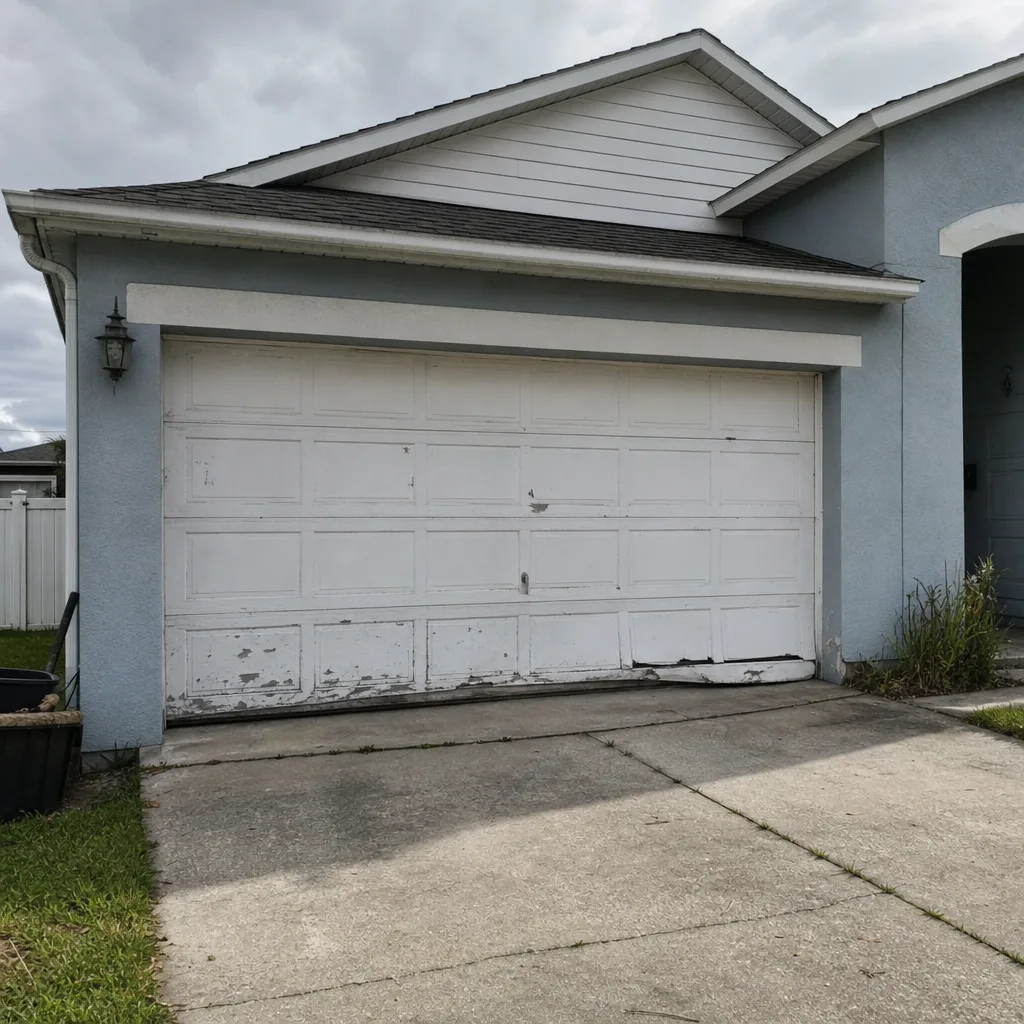 Before
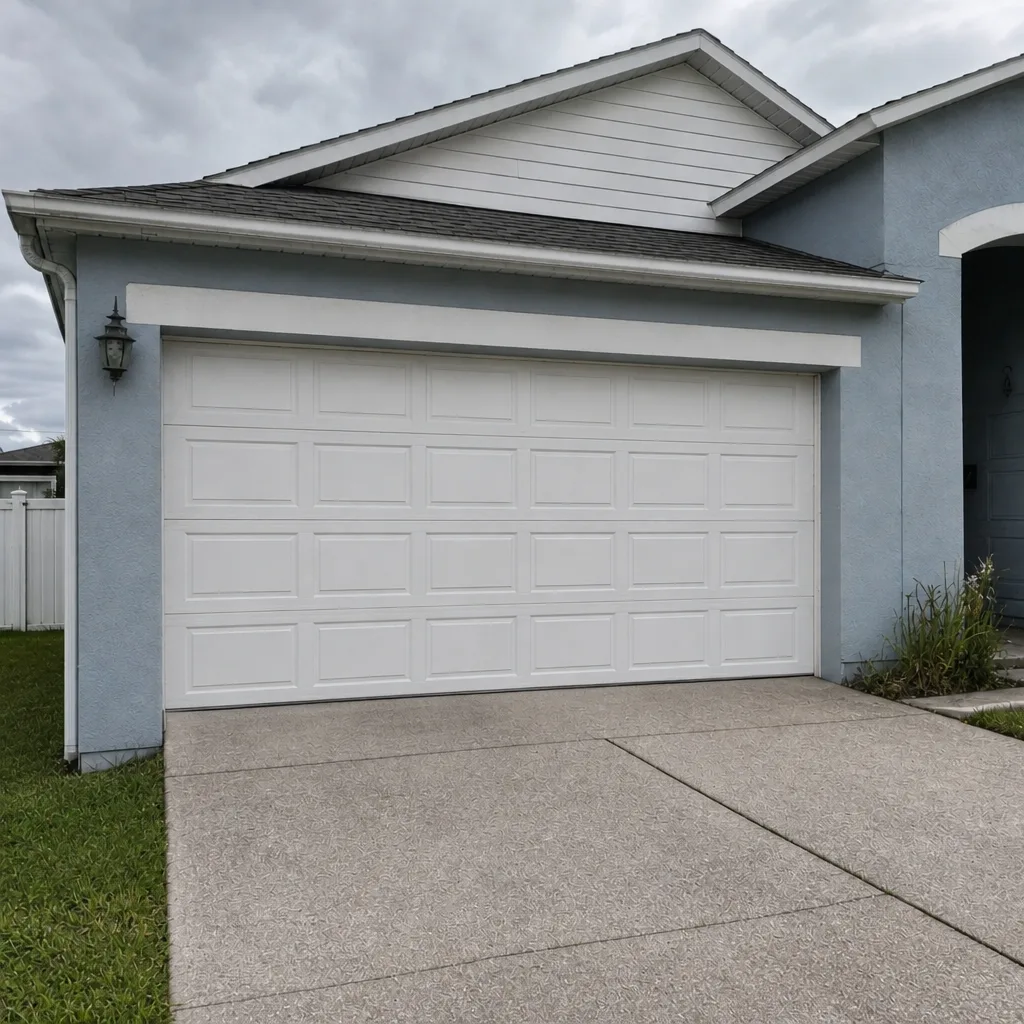 After
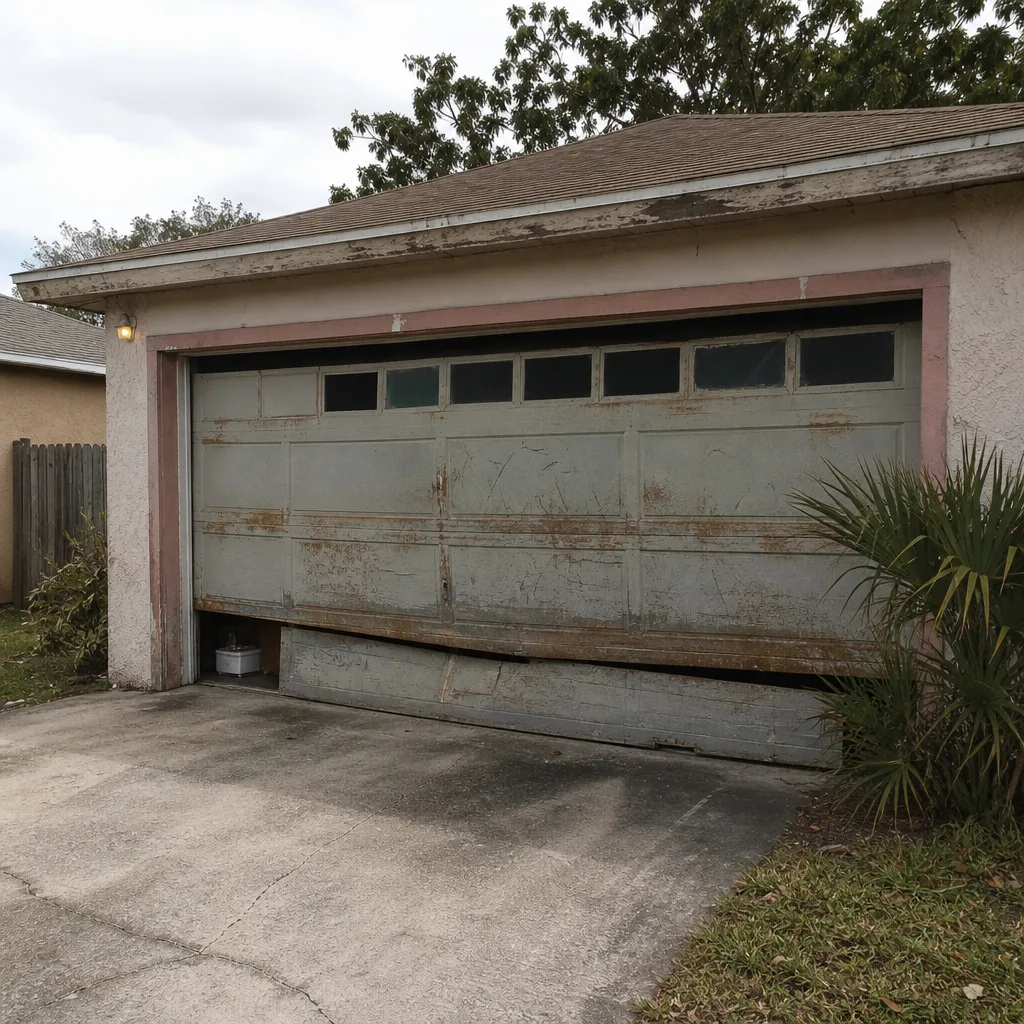 Before
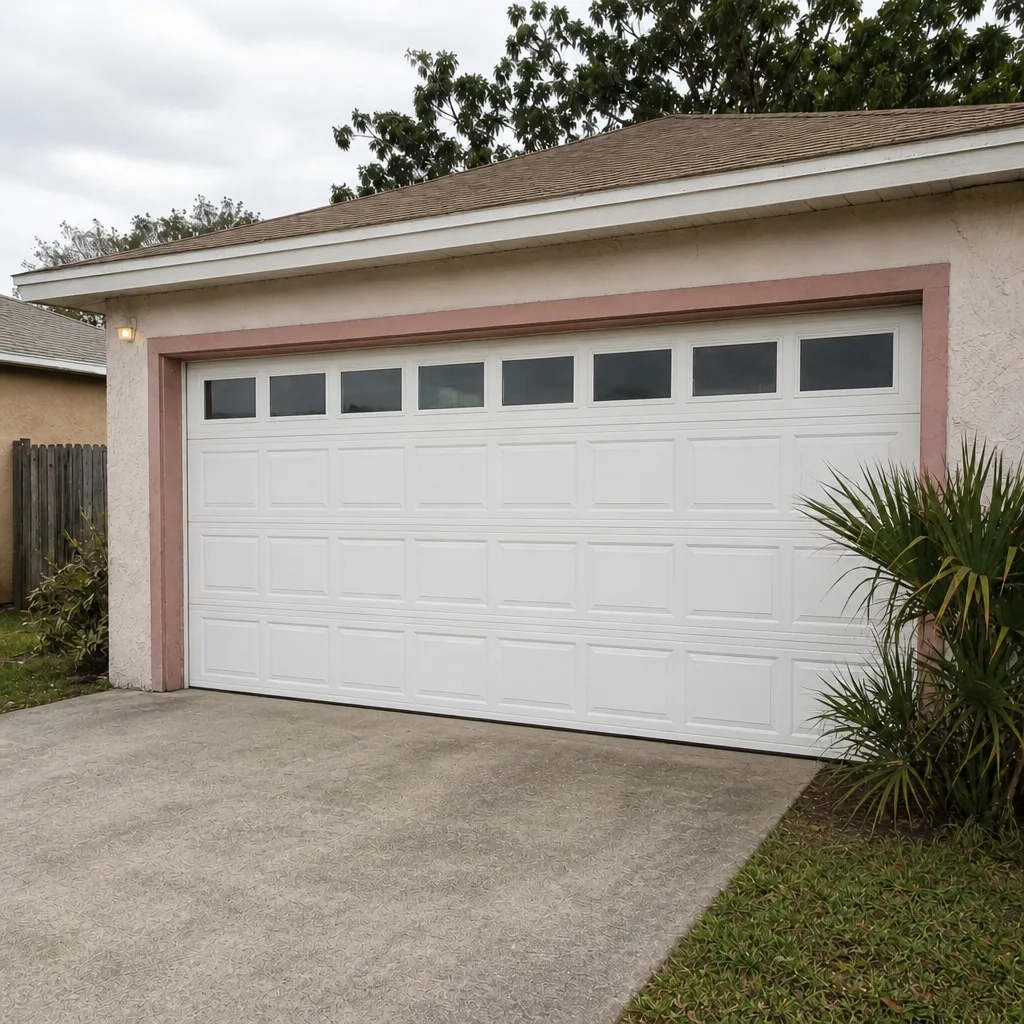 After
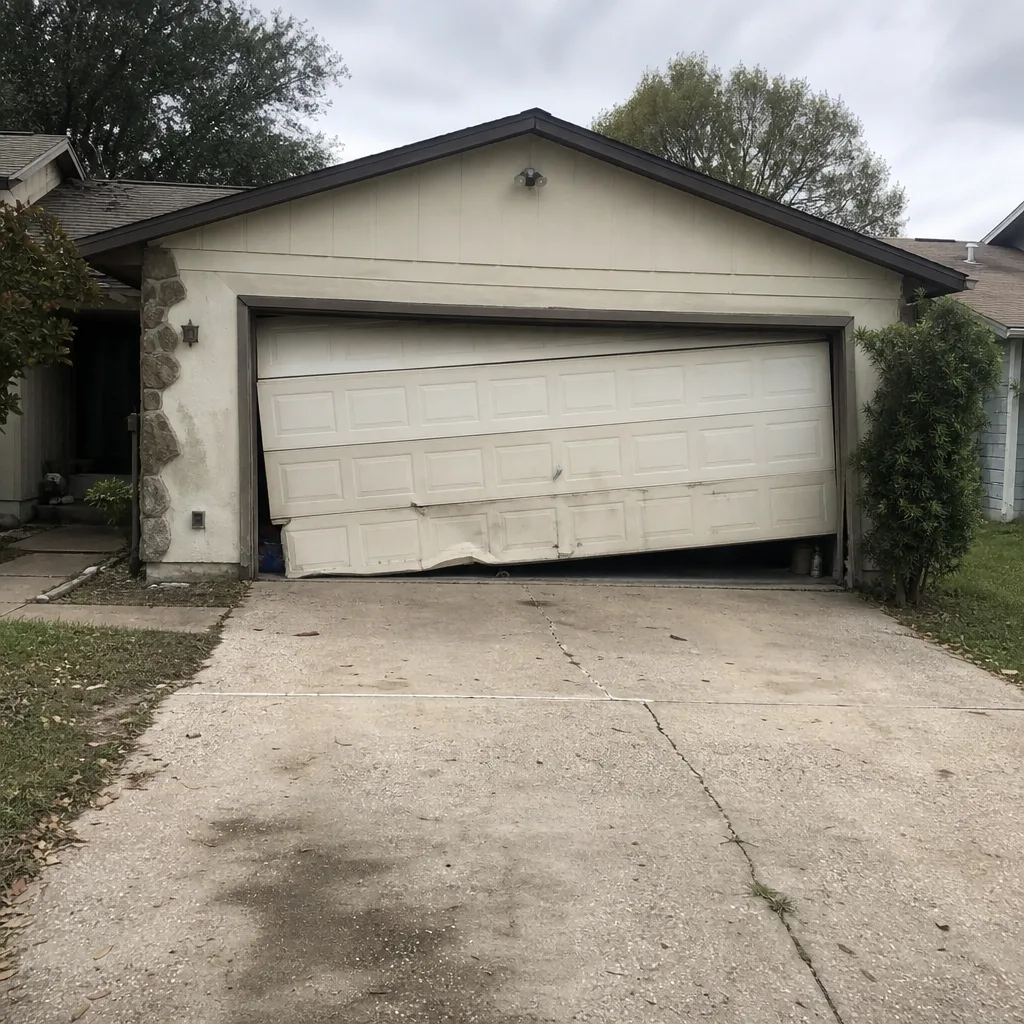 Before
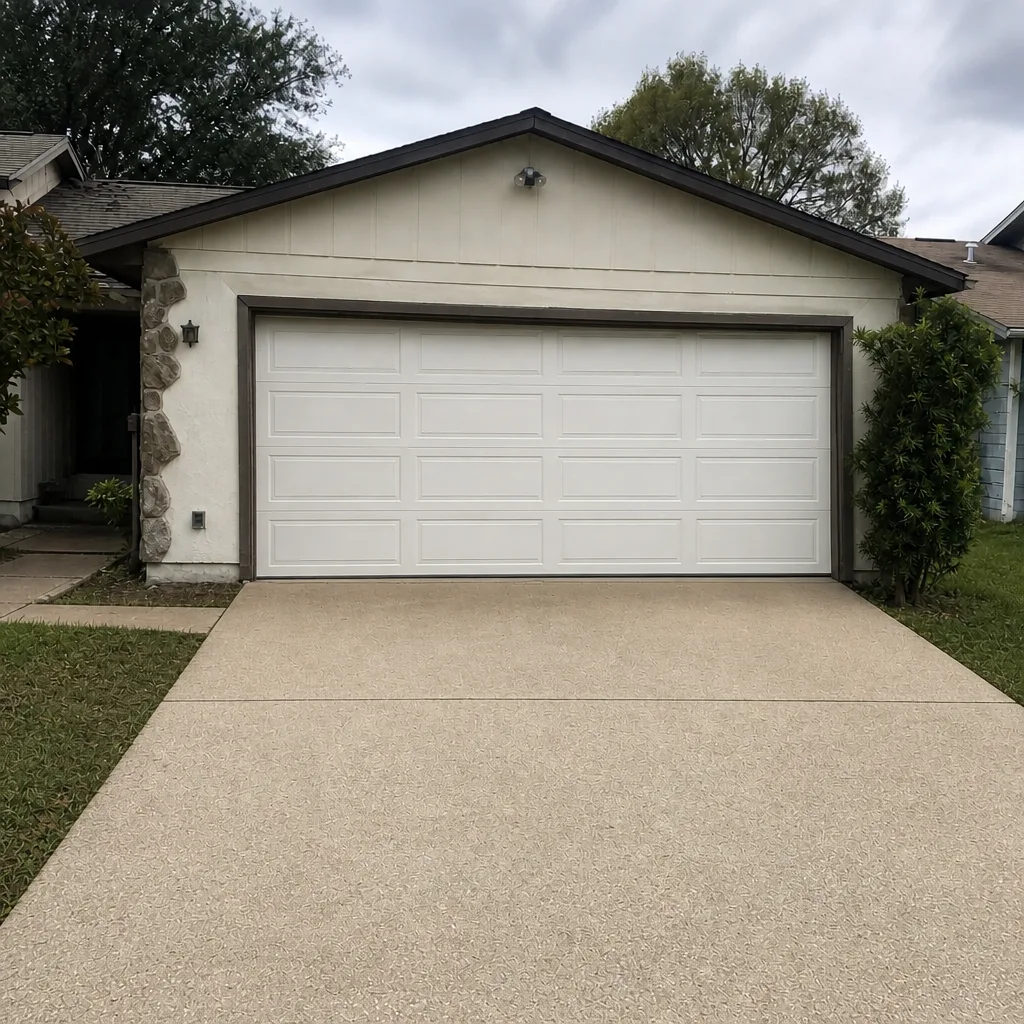 After
When to Call a Professional
Call a professional for anything involving springs, cables, torsion hardware, or a door that’s off its track. Those are the parts of the system where a mistake can hurt you, and they’re not DIY territory. Call us if the door won’t open or close, if the opener runs without lifting the door, if you hear a bang from the garage and the door sags, or if the door came down on its own. Call if you’re unsure whether damage is storm-related or mechanical, because the answer changes how you handle the insurance. And call before the season, not during it, if you want the door checked while the calendar is calm. Goodwin Garage Door Repair offers free estimates in Riverview. Call (855) 473-8424. We answer 24/7. Fast dispatch from 7am to 7pm, Sunday through Friday.
Frequently Asked Questions
Check the manufacturer’s label on the inner face of the door and the original build paperwork or permit records. The label and the documentation are the rating, not what you remember from the sale. If neither turns up, have a specialist evaluate the door before storm season.
Yes, if the door is fully closed and the springs are intact. Pull the manual release cord to disconnect the opener, then lift the door carefully by hand. Never pull the cord with the door open or partway up.
Get clear of the door’s path, don’t force the door, and don’t touch the springs or cables. Unplug the opener if it keeps running, photograph what you see, and call a specialist. Call (855) 473-8424 for an exact quote on the repair; estimates are free.
Wide shots of the whole garage face, close shots of the door, tracks, hinges, opener, and the header above the door, plus something for scale. Photograph the damage before you clean up or adjust anything, and keep a written timeline of when the storm hit and when you noticed the damage.
Ask for the company’s legal name, a written estimate before work starts, who’s doing the work, and the warranty in writing. Never pay in full up front. The pattern to avoid is the crew that quotes low, asks for cash, and can’t be found after the job.
Our technicians are experienced in garage door and opener work and have up to 13 years of experience. We’re happy to answer questions about credentials and insurance before any work starts. Call (855) 473-8424 for an exact quote; estimates are free.
The Bottom Line
Garage door emergencies in Riverview split into two plans: storm preparation and mechanical failure response. For storms, confirm your door’s wind-load rating from the label and paperwork, test the balance and the manual release while the power is on, and know how to secure the door by hand if the opener fails. For mechanical failures, the first ten minutes are about safety, not fixing: get clear, don’t force, don’t touch springs or cables, photograph, and call. After any storm, photograph before you clean up, keep a timeline, and vet every contractor with the same five questions. Goodwin Garage Door Repair works on the brand you already have, and we’ll tell you what’s actually wrong before we quote the fix. Call (855) 473-8424 for a free estimate.
Written by the team at Goodwin Garage Door Repair.