
Last updated November 15, 2026
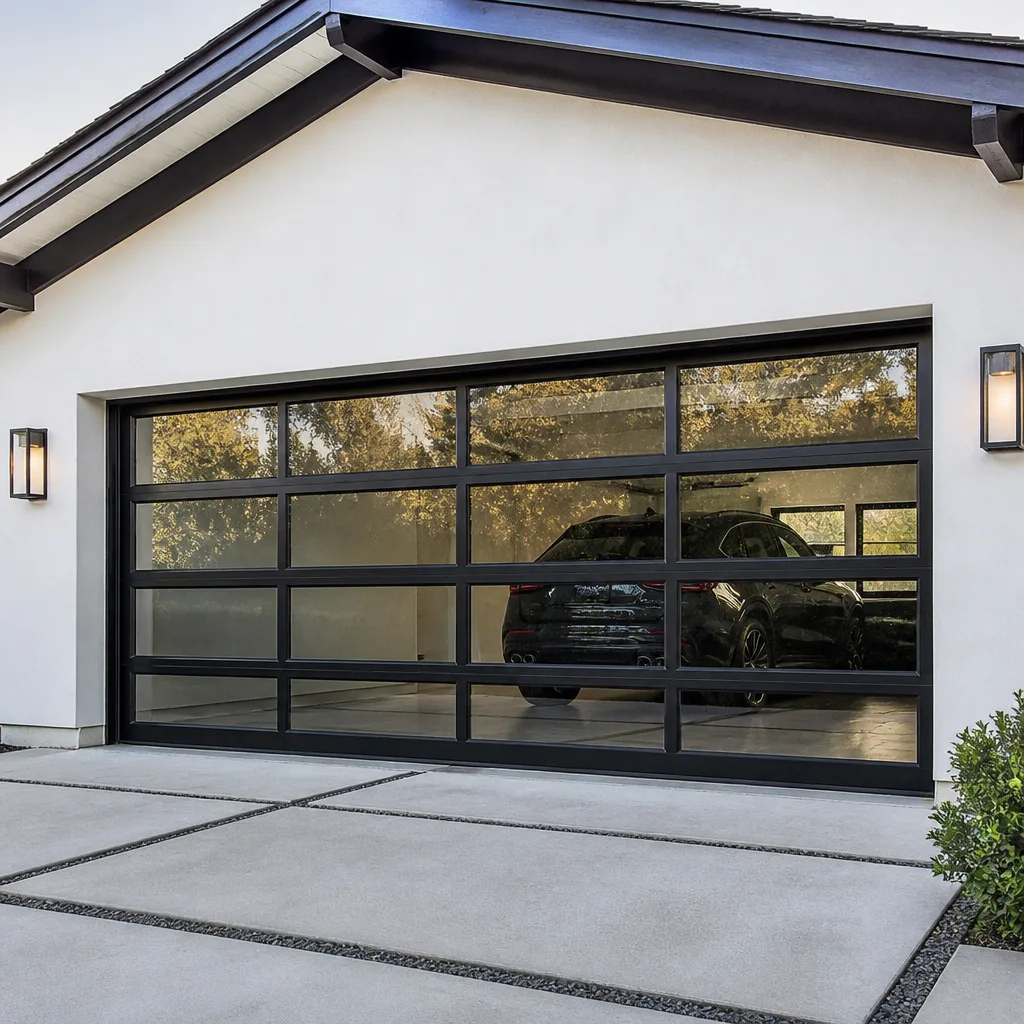 Full-view glass
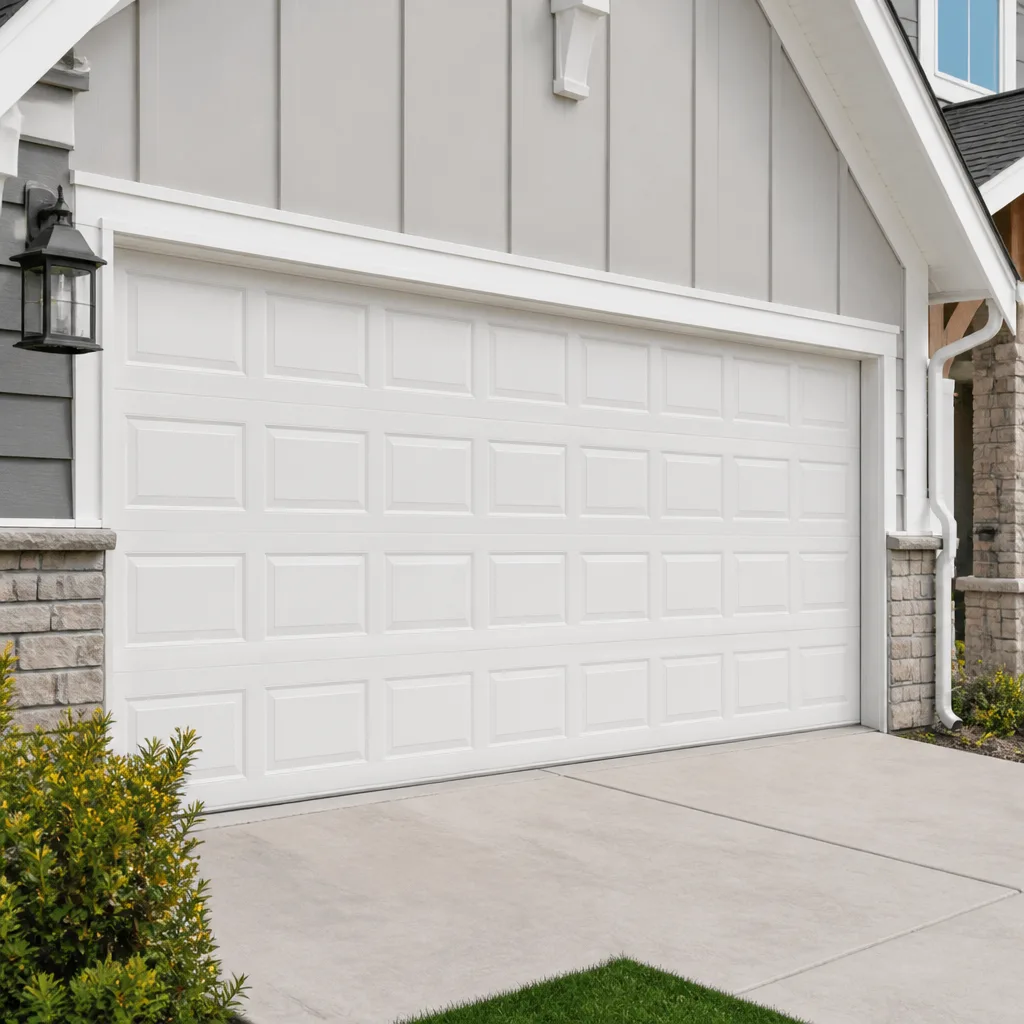 Raised-panel steel
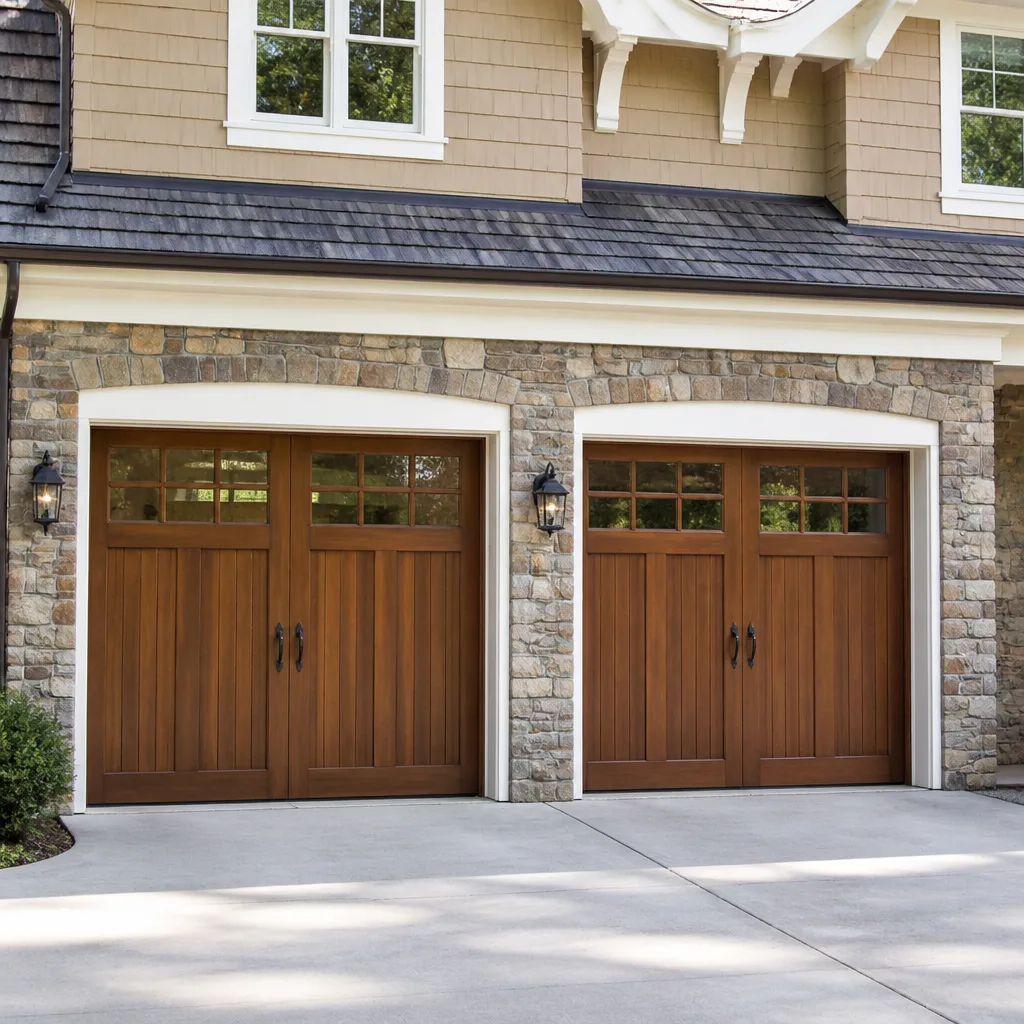 Carriage house
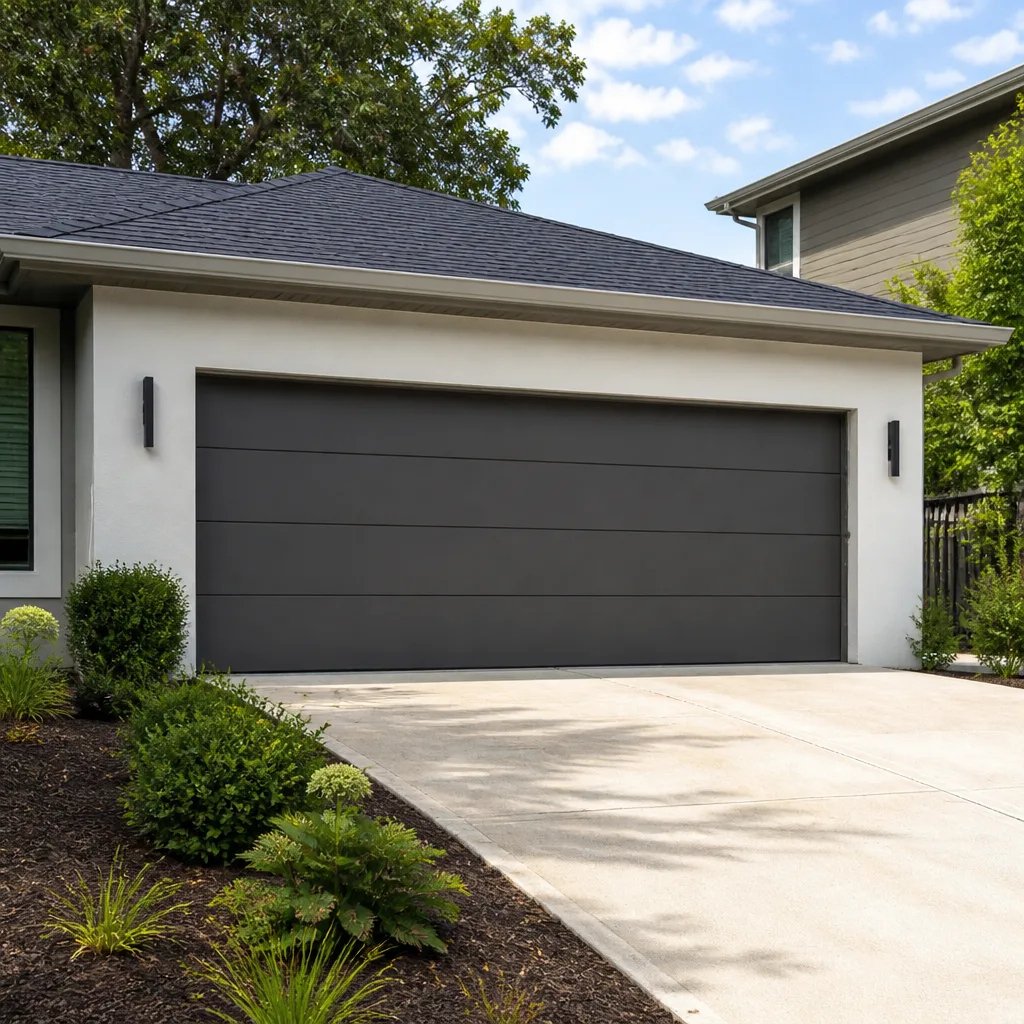 Modern flush
 LiftMaster openers
 Chamberlain openers
Full 25-point door and opener safety check with every visit - springs, cables, rollers, tracks, and your LiftMaster or Chamberlain opener included
You get a price before we start. It does not change when the pro arrives.
Get your free estimateGarage Door Permits, Codes & Inspections in Riverview, FL: What You Need to Know
Here’s the part most homeowners get backwards: the permit isn’t paperwork that happens after the door goes up. In Hillsborough County, the permit is what makes the installation legal in the first place, and the inspection that follows is the county confirming the door matches the approval it was sold under. A garage door installed without the required permit can complicate an insurance claim for storm damage and can surface as an open item during a home sale title search. Neither problem announces itself on the day of the install. Both show up later, at the worst possible moment. This guide walks through when a permit is actually required in Riverview, what a Florida Product Approval number is and how to check one, how the inspection process runs, and where the line sits between what the homeowner is responsible for and what the licensed contractor handles.
Quick Answer
In Hillsborough County, replacing a garage door generally requires a permit when the work involves a new door, a change in door size, a change to the opening, or any structural, electrical or anchoring work. A like-for-like swap of a door section, a spring, a cable, a roller or an opener is normally repair work and does not trigger a permit. Every door installed in Florida must carry a Florida Product Approval number showing it is rated for the wind pressures at that location, and the county inspection checks that the door on the home matches that approval. When a permit is required, the licensed contractor pulls it and schedules the inspection; the homeowner is responsible for confirming the permit exists before work starts.
Styles & brands we work with
- Raised-panel steel
- Carriage house
- Modern flush
- Full-view glass
- LiftMaster openers
- Chamberlain openers
Table of Contents
- When does a garage door replacement need a permit in Riverview?
- What is a Florida Product Approval number, and how do you look one up?
- What does “wind-load rated” actually mean on a spec sheet?
- How does the inspection process work, start to finish?
- Who is responsible for what when permits are involved?
- Which garage door work needs a permit and which doesn’t
- What makes Riverview garage door work different
- Common mistakes to avoid
When does a garage door replacement need a permit in Riverview?
A garage door replacement in Riverview needs a permit when the scope of work goes beyond swapping a like-for-like part. The threshold comes down to scope, not price. A new door assembly going into an existing opening, any change to the size of the opening, new anchoring into the framing, new or altered electrical work for an opener circuit, and any structural change around the header or the jambs all move the job into permit territory. Those are the jobs where an inspector needs to confirm the finished door matches what was approved for that opening.
What usually does not require a permit is repair: a broken torsion spring, a snapped cable, a bent track section, worn rollers, a failed hinge, or an opener that’s stopped responding. Those are maintenance and repair on an existing, already-permitted system. Replacing a single damaged panel with an identical panel falls on the repair side of the line as well. Replacing the whole door with a different door does not.
In our experience, the confusion comes from the word “replacement.” Homeowners hear it and assume every door replacement needs a permit. Some contractors hear it and assume none do. Neither reading is right. The honest answer is that it depends on what’s actually being changed, and the reliable way to settle it is to describe the job to the county building department and ask. Hillsborough County’s building department will tell you plainly whether your scope needs a permit. That call costs nothing and ends the guessing.
A few practical cases worth knowing:
- Same-size door, same opening, new door: typically permitted, because the door being installed is a new product that must match a current approval.
- Widening or heightening the opening: always permitted, because the header and framing are being modified.
- New opener on an existing door: generally repair-level work, but if the job requires a new dedicated circuit, the electrical side may need its own permit.
- Spring, cable, roller, hinge or track repair: repair work, no permit.
- Panel swap with an identical panel: repair work in most cases.
None of that replaces a direct answer from the county. It gives you the right question to ask. If you’d rather not make the call yourself, garage door repair and installation conversations usually start with exactly this scope question, and any contractor worth hiring will answer it before quoting.
What is a Florida Product Approval number, and how do you look one up?
A Florida Product Approval number is the state-issued identifier that shows a specific building product has been evaluated and approved for use in Florida under set conditions. For garage doors, it’s the document that ties a particular door model, in a particular size range, at a particular design pressure, to a method of anchoring it into a wall. Without a valid approval number, a door cannot legally be permitted for installation here. Every compliant door in Riverview has one, and it should appear on the submittal paperwork before a permit is issued.
Here’s why the number matters more than the door: the approval doesn’t cover “garage doors” in general. It covers a specific product, installed a specific way. Change the door size and you may fall outside the approved range. Change the anchoring method and you may fall outside the approved installation. The door can look identical to the approved model and still fail the inspection if the installation doesn’t match the approval document.
Looking one up is a short process, and you can do it before any money changes hands:
- Ask for the number in writing. Request the Florida Product Approval number for the exact door model being quoted, not the brand name. A brand like Clopay or Amarr makes dozens of models with different approvals.
- Confirm the number matches the door on the quote. The approval is tied to a model and a size range. If the quoted door size falls outside that range, the approval doesn’t apply.
- Check the approval’s installation requirements. The document lists the anchoring pattern and fasteners the approval depends on. Your installer should be following that pattern, not improvising.
- Verify it’s current. Product approvals get revised and sometimes withdrawn. A number that was valid years ago may not be valid now.
We work with doors from Clopay and Amarr, two of the most commonly specified residential lines, and both carry Florida Product Approvals across their rated models. The number is something we expect a homeowner to ask for. A contractor who can’t produce it quickly for the exact door being quoted is telling you something useful before the install begins.
What does “wind-load rated” actually mean on a spec sheet?
“Wind-load rated” means the door has been engineered and tested to withstand a stated pressure without failing, and the pressure rating is what you need to read. It isn’t a yes-or-no label. It’s a number, expressed as a design pressure, and the number has to meet or exceed what the building code requires for that opening at that location. A door rated for a low design pressure can be perfectly compliant on one home and unacceptable on the next, depending on where the opening sits and how the structure is configured.
Two spec-sheet terms trip people up: positive design pressure and negative design pressure. Positive load is wind pushing the door inward toward the house. Negative load is wind pulling the door outward, away from the house. A garage door has to hold against both, and a product approval typically states them separately. The door that holds up against a strong push but fails under suction isn’t rated for the job, even though the first number on the sheet looks fine.
There are three things to know when you read a product approval certificate:
- Design pressure is stated in pounds per square foot. Bigger numbers mean a stronger door. The required number depends on the location and the opening, and the county determines it, not the door salesperson.
- Size matters. A wide, tall door catches more wind than a small one, and approval documents specify the size ranges they cover. The same model with a different width can carry a different rating.
- Installation method is part of the rating. The anchoring pattern, fastener type and jamb conditions listed in the approval are what allow the door to achieve the stated rating. Skip any of them and the rating no longer applies to the install, even if the label on the door is correct.
If a quote lists a door as “hurricane rated” or “wind-load rated” without stating a design pressure and a product approval number, you don’t yet have the information you need to judge it. Ask for both. In our experience, that single question separates a real spec from a marketing phrase.
How does the inspection process work, start to finish?
The inspection is a county check that the installed door matches the permitted work: same product, same approval, installed to the approved method. Who schedules it depends on the permit. On a homeowner-pulled permit, the homeowner schedules. On a permit pulled by a licensed contractor, the contractor schedules, and it’s usually the contractor’s responsibility to have the door in a finished, safe condition when the inspector arrives. Either way, someone has to be on site to provide access, and the county gives an inspection window rather than an exact time.
What gets inspected is narrower than most homeowners expect. It’s not a general quality assessment. It’s a compliance check against the approved scope:
- The permit and approval documents are matched to the installed door. Model, size, and product approval number are confirmed against the paperwork.
- Anchoring and fastening are checked. The pattern and fastener type must match what the approval requires.
- The opening and framing work are inspected. If the header or jambs were modified, that work is confirmed.
- Operation is confirmed. The door opens and closes; the springs, cables and tracks are in proper working condition; the safety features on the opener are functioning.
A failed inspection is not the end of the job, and it’s usually a documentation or installation mismatch rather than a defect. A failed inspection typically requires the contractor to correct the specific deficiency and then schedule a re-inspection. If the door installed is the wrong model, or the anchoring doesn’t match the approval, that may mean removing and refitting the door. That’s why the verification steps earlier in this guide matter. Catching a mismatch before the install is far less expensive than catching it after.
Anyone who tells you inspections are routine and skippable is telling you something about how they operate. In our experience, a proper Riverview install includes confirming the approval details before the door is ordered, not after the inspection is scheduled. Getting it right the first time is a whole lot cheaper than a re-inspection and a reorder.
Who is responsible for what when permits are involved?
The line between homeowner responsibility and contractor responsibility is clearer than most people assume. The licensed contractor is responsible for the technical compliance of the work: pulling the permit if they’re doing the install, ordering a door that matches a valid Florida Product Approval, installing it to the approved anchoring method, and passing inspection. The homeowner is responsible for confirming a permit exists before work starts, holding the paperwork, and, if the homeowner pulls the permit as a homeowner permit, scheduling and being present for inspections. In short: the contractor owns the work, the homeowner owns the record.
Why the homeowner side matters: when a home sells, the title search and the closing process can surface unpermitted work on the property. An unpermitted garage door install can become a line item in a buyer’s inspection report, and it can complicate a storm-damage insurance claim because the insurer will ask whether the installation complied with code. Whether a specific insurer will honor or deny a specific claim is their call, not ours and not the contractor’s. But the risk is real enough that it’s worth confirming the permit before the install begins.
Some things to hold onto:
- Keep the permit number and the final inspection approval with your home records. Both are useful when you sell.
- Ask for the Florida Product Approval number in writing before the door is ordered. Not after.
- Confirm who is pulling the permit. If the contractor is pulling it, get the permit number before work starts. If you’re pulling it yourself, be prepared to schedule the inspection and be home for it.
- Don’t let work start on a permitted scope before the permit is issued. “We’ll get the permit later” is not a plan. It’s an unpermitted installation.
For homeowner-pulled permits, the county’s building department will walk you through what’s required. For contractor-pulled permits, the contractor handles it, and the homeowner’s job is to ask for the number and keep it.
Which garage door work needs a permit and which doesn’t
Repair work doesn’t need a permit in Riverview; replacement and structural work usually do. That’s the short version. The long version breaks down by job type, and it’s the distinction that saves homeowners from either pulling a permit they didn’t need or skipping one they did.
Work that is repair and generally does not require a permit:
- A broken torsion or extension spring, replaced with the correct-rated spring.
- A snapped or frayed lift cable.
- Worn rollers, hinges or bearing plates.
- A bent or damaged track section, straightened or replaced.
- A garage door opener repair on an existing opener, including a motor, gear, logic board or safety sensor problem.
- Replacing a single damaged panel with an identical panel.
- Routine adjustment of limits, force settings or travel.
Work that does require a permit:
- Installing a new garage door into an existing opening.
- Changing the door size, including widening or heightening the opening.
- Any modification to the header, jambs or framing.
- New electrical work for an opener where none existed.
- Any change to the anchoring method or structural attachment points.
Notice that opener repair and opener replacement land on different sides. Replacing a failed opener with a new unit on the same bracket and the same wiring is generally repair-level. Running a new circuit to power it is electrical work, and the electrical side may need its own permit. If opener work is on your plate, garage door opener repair starts with confirming the existing install is compliant and the new unit is compatible before anything is ordered.
What makes Riverview garage door work different
Riverview sits in Hillsborough County, and the county’s permitting rules apply to every door installed here, regardless of which neighborhood the home is in. The reason wind-load compliance isn’t optional paperwork in this part of Florida is straightforward: the code requires it, the state product approval system exists to make it checkable, and the county inspects to confirm the install matches the approval. That’s the whole reason this guide has so much to say about product approval numbers and design pressures. They aren’t trivia. They’re the difference between a compliant install and an unpermitted one.
A second local factor is the housing itself. Riverview has a lot of homes built in recent decades alongside older properties where the garage opening was framed to an older set of expectations. Older openings often need the framing and anchoring reviewed when a new door goes in, because the new door’s approval lists an anchoring pattern the original framing may not have supported. That review is a normal part of the job, not a red flag. When we quote a Goodwin Garage Door Repair install in Riverview, reviewing the opening is part of the estimate for exactly this reason. The opening has to be ready for the door before the door is ordered.
A third factor: Riverview’s summer storms come through with real wind and rain, and a garage door is the largest moving opening on the house. It’s the piece of the building most exposed to wind pressure, and it’s also the one most likely to be installed by an outfit that skipped the approval check. The inspection exists to catch exactly that. If you’re in Riverview and you’ve had a door installed at any point, it’s worth confirming the permit was pulled and the approval on file matches the door. We’ve also put together a broader Riverview resource on the local garage door picture if you want the lay of the land before you call anyone.
Common Mistakes to Avoid
- Assuming every door replacement needs a permit, or that none do. The scope decides. A like-for-like panel swap is repair. A new door into an existing opening is usually a permit job. Guessing in either direction costs you time or compliance.
- Taking “hurricane rated” at face value without a design pressure or product approval number. Hurricane rated isn’t a legal category. The design pressure number and the Florida Product Approval number are. If a quote won’t state them, the claim isn’t verifiable.
- Ordering the door before checking the size against the approval range. A product approval covers a specific size range. If the door ordered falls outside it, the approval doesn’t apply, and the inspection will catch that after the install.
- Letting a contractor pull the permit after work starts. A permit issued after the install is a problem, not a fix. The permit has to be issued before the permitted scope begins, and the homeowner should have the number in hand first.
- Not keeping the inspection approval for the home records. When you sell, the closing process can ask for it. A permit number and a final approval that travel with the house are worth more than a drawer full of receipts.
- Assuming a permit means the contractor is responsible for everything. The contractor is responsible for the work complying and passing inspection. The homeowner is responsible for confirming the permit exists and keeping the record. Both duties are real.
- Treating opener repair and opener replacement as the same job. Repair is typically no permit. Replacement is usually no permit if the wiring and bracket are reused. Running a new circuit can pull the electrical side into permit territory.
See the difference
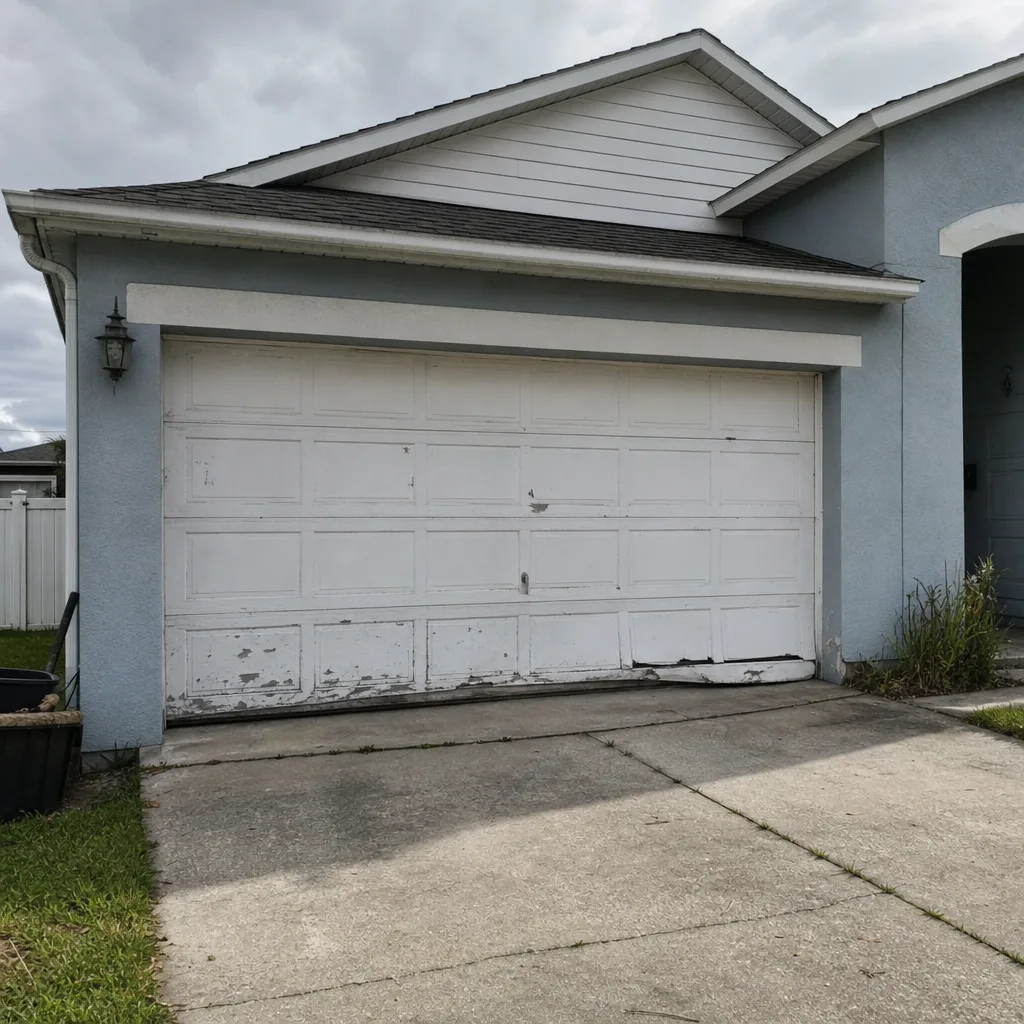 Before
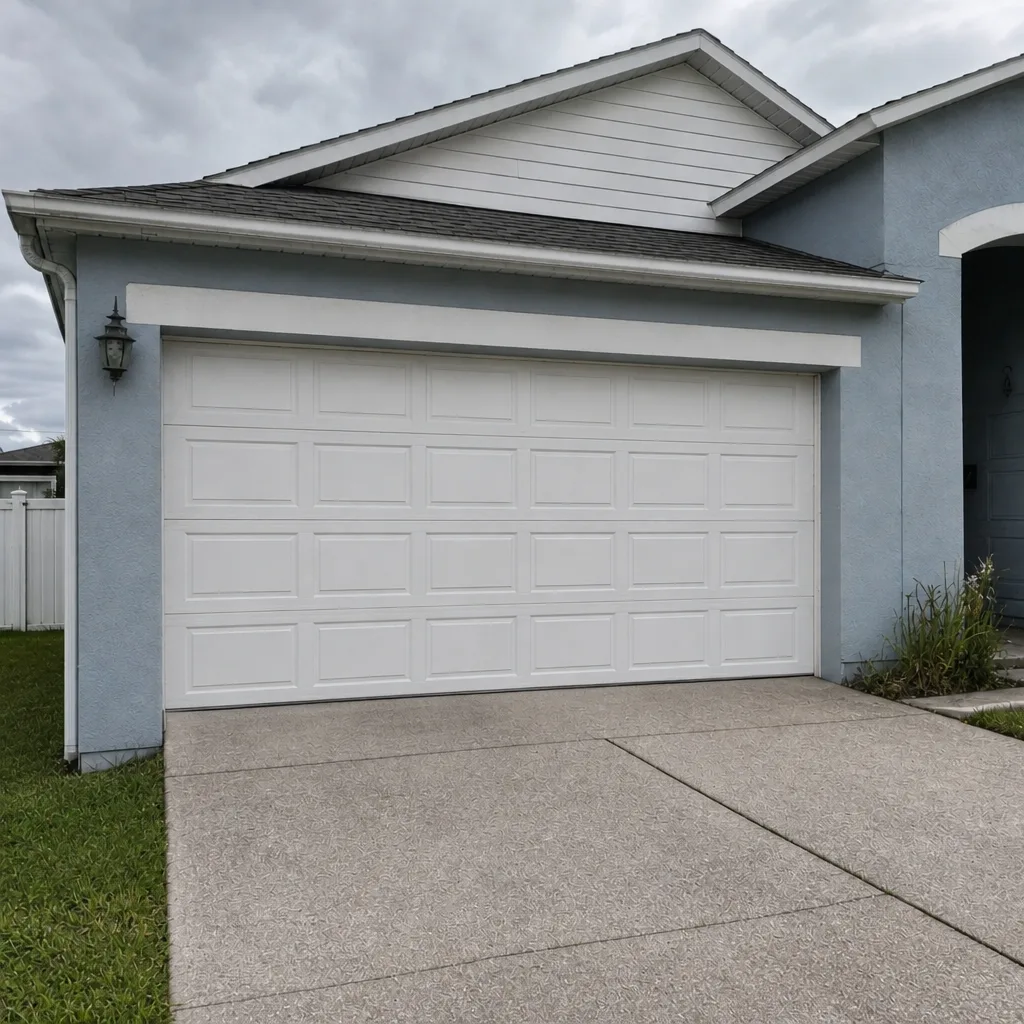 After
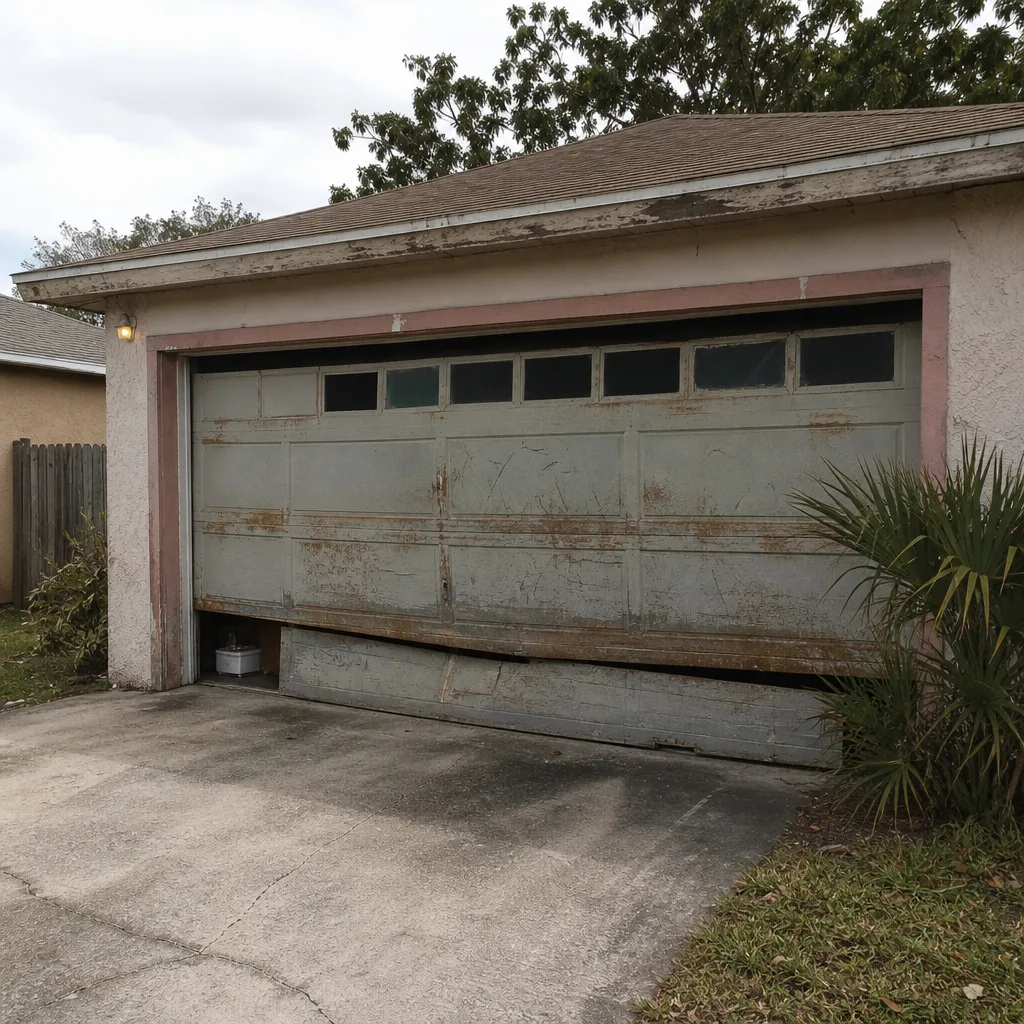 Before
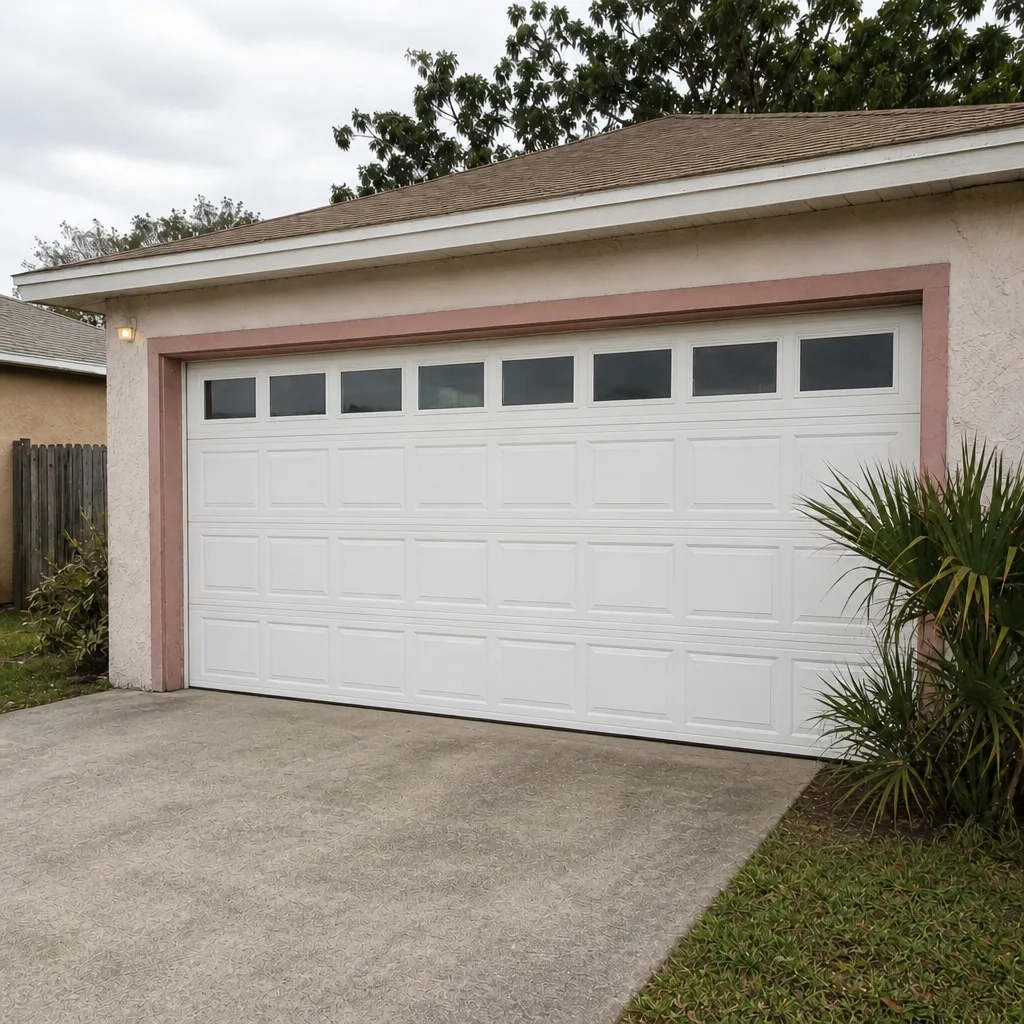 After
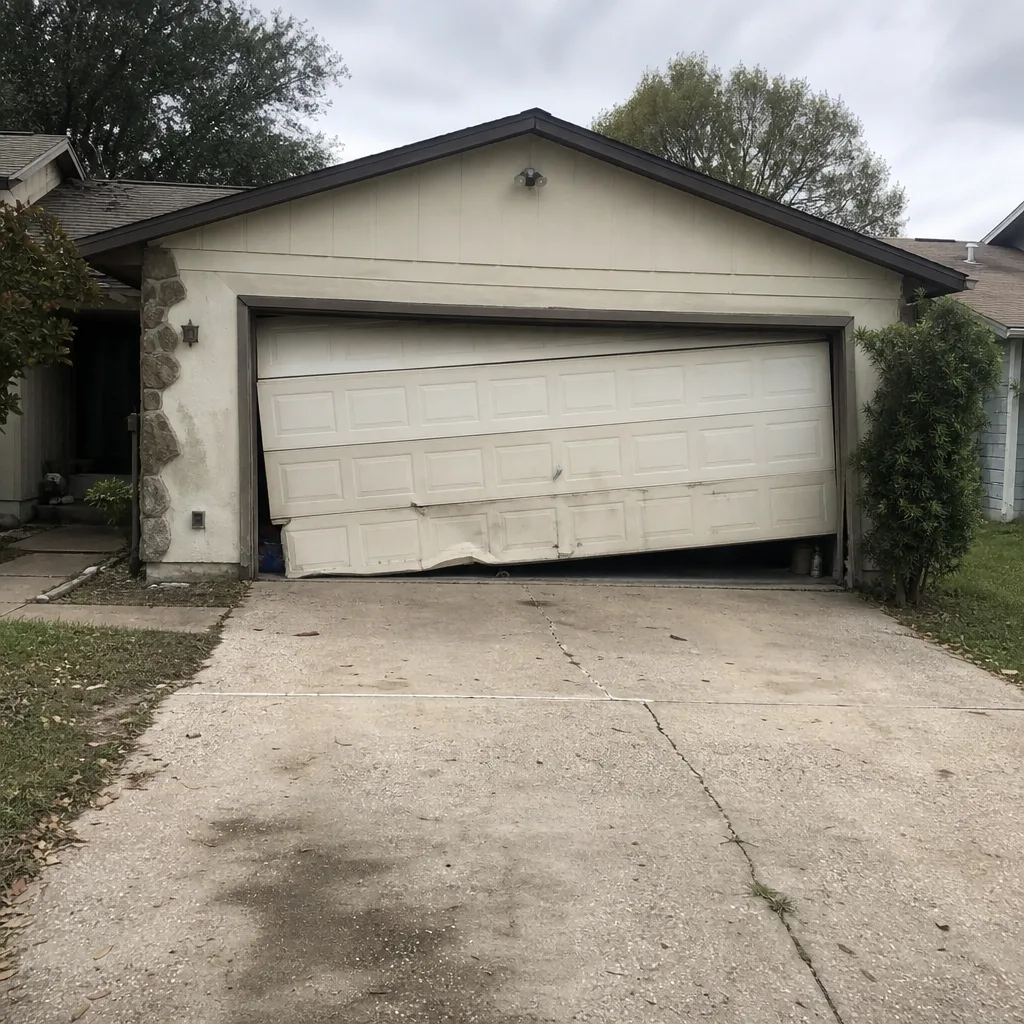 Before
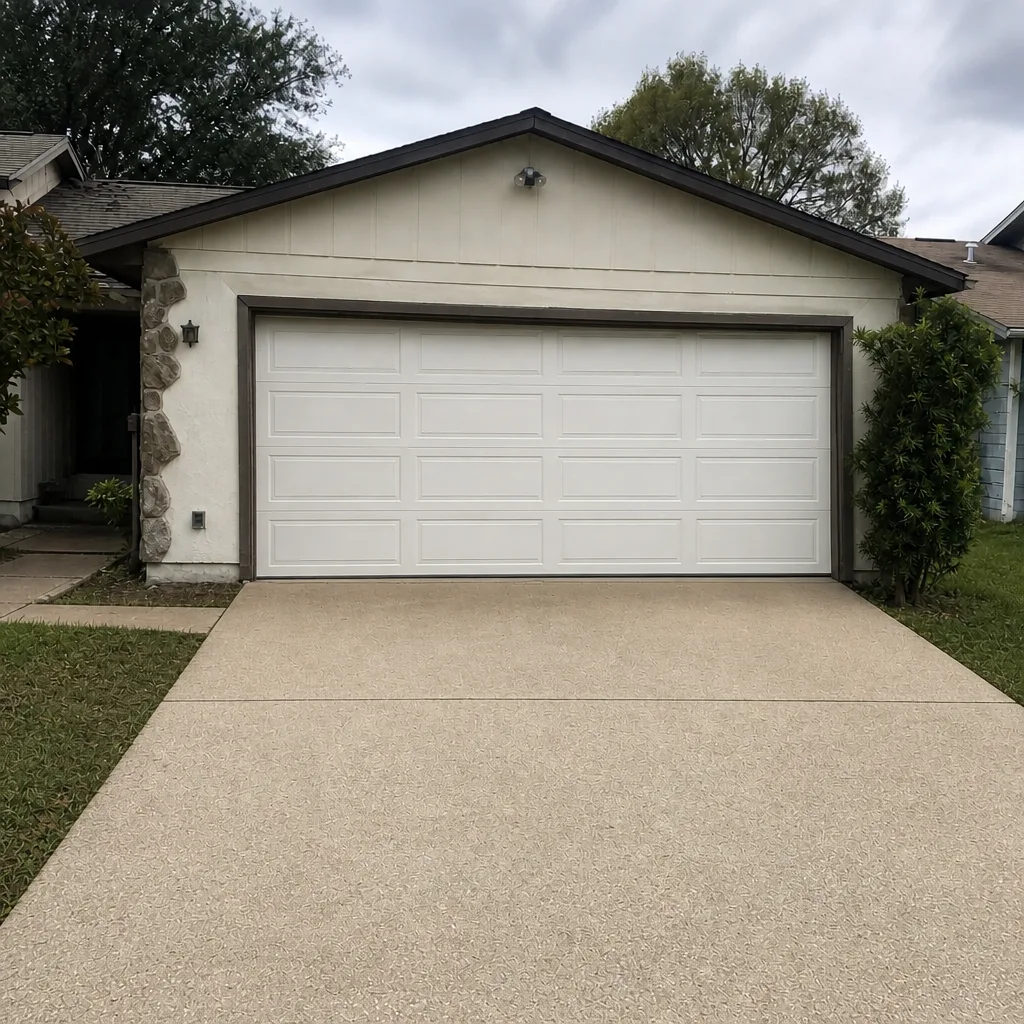 After
When to Call a Professional
Call a professional before you call the county on jobs like these: a new garage door going into an existing opening, an opening being widened or heightened, any change to the header or jambs, an opener that’s stopped responding and needs to be diagnosed, a spring or cable that’s failed, or a door that’s come off its track. The spring-and-cable work in particular is not a homeowner job. Torsion springs and lift cables are under high tension, and a mistake with either can cause serious injury. That’s work for a trained technician, full stop. Your independence is worth more than the money you save.
If you’re unsure whether a job needs a permit or whether the door you’re considering carries the right approval, that’s a conversation worth having before anything is ordered. Goodwin Garage Door Repair offers free estimates in Riverview. Call (855) 473-8424. We answer 24/7. Fast dispatch from 7am to 7pm, Sunday through Friday. Our technicians have up to 13 years of experience, and every estimate ends with a written price you agree to before any work starts. The final price is the number on the written estimate.
Frequently Asked Questions
In Hillsborough County, you generally need a permit when you’re installing a new door into an existing opening, changing the door size, modifying the framing, or adding new electrical work. A like-for-like repair, such as a spring, cable, roller or panel swap, normally does not need a permit. The safest way to settle it is to describe the scope to the county building department and ask. If you’re not sure which side of the line your job falls on, call (855) 473-8424 for a free estimate, and we’ll walk through the scope with you.
A Florida Product Approval number is the state identifier showing a specific building product has been approved for use in Florida at stated conditions. Every garage door installed in Florida must carry one that matches the exact model and size being installed. Without it, the door can’t legally be permitted. Ask for the number in writing before the door is ordered, and check that it matches the quoted model and size.
Either the licensed contractor or the homeowner can pull the permit, and it’s worth confirming which before work starts. Most homeowners have the contractor pull it, which keeps responsibility for the install and inspection with the contractor. The homeowner’s job is to get the permit number and keep the final inspection approval with the home records. Call (855) 473-8424 if you’d like to talk through scope before requesting a permit.
An unpermitted garage door installation can surface as an open item during a home sale title search and can complicate an insurance claim for storm damage. The specific outcome depends on the insurer and the buyer, so it’s not something anyone can predict case by case, but the compliance gap is real. The fix is to confirm the permit exists before the work starts, not to retroactively correct it afterward. For help assessing an install you’re unsure about, call (855) 473-8424 for a free estimate.
No. Repair work on an existing, compliant system does not require a permit. Replacing a torsion spring, a lift cable, worn rollers, a damaged hinge or a bent track section is repair work. Replacing a single panel with an identical panel is also repair work. Replacing the whole door, changing its size or modifying the framing moves the job into permit territory. If you’re not sure what’s involved, call (855) 473-8424 and we’ll help you sort it out.
A failed inspection means the county found a mismatch between the installed door and the approved scope, or an installation issue with anchoring, framing or operation. The specific correction depends on what failed: a documentation mismatch can often be resolved with corrected paperwork, while an installation mismatch may require the contractor to refit the door. A re-inspection follows the correction. Call (855) 473-8424 if you need help getting a past install onto solid footing.
The Bottom Line
Permits for garage door work in Riverview aren’t a formality. They’re the mechanism that ties the door on your home to a state product approval and to a documented installation method, and both matter when storms come and when homes sell. The threshold to remember: repair work generally doesn’t need a permit, replacement and structural work usually does, and the county building department will settle the question if you describe the scope. Ask for the Florida Product Approval number in writing before the door is ordered. Confirm who’s pulling the permit and get the number before the work begins. Keep the inspection approval with your records. That’s the whole discipline: a door that’s compliant on the first install is a lot cheaper than a door that’s compliant only after a correction.
Written by the team at Goodwin Garage Door Repair.