
Last updated November 15, 2026
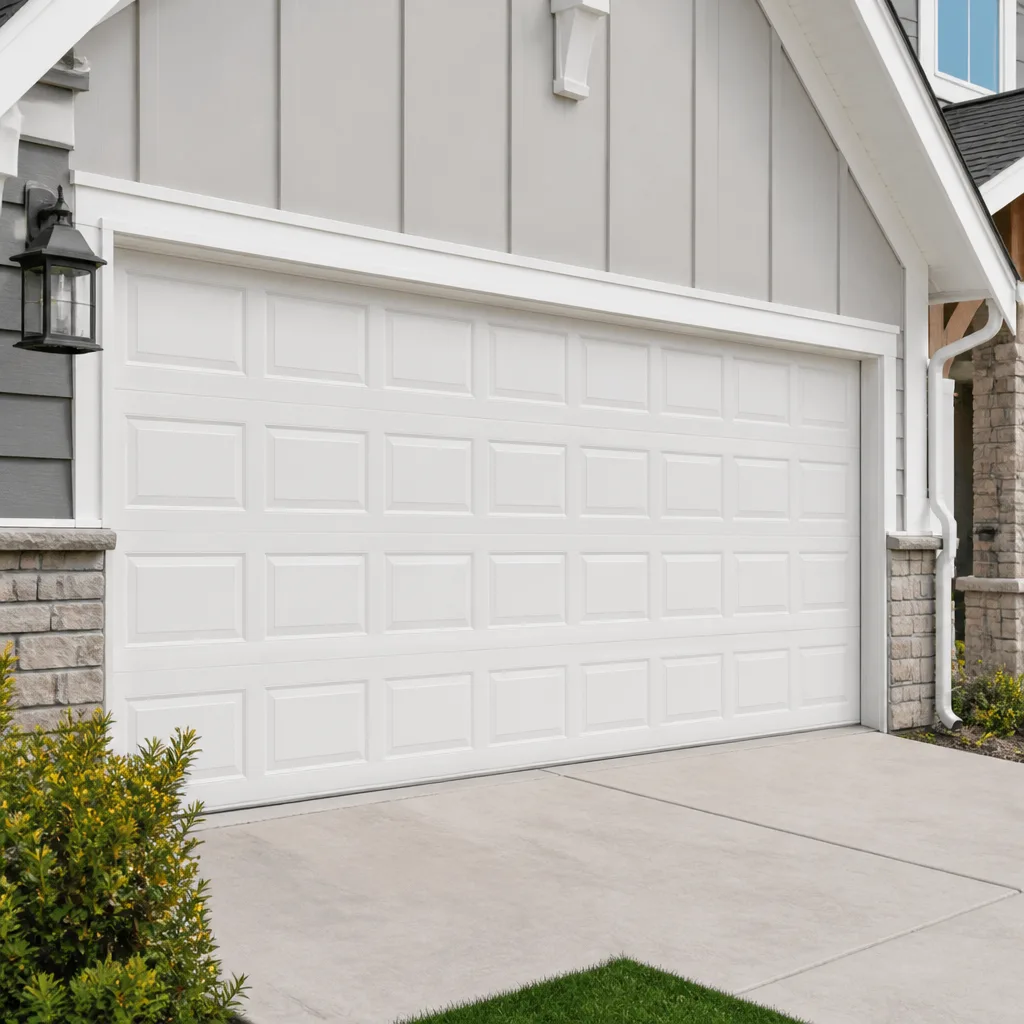 Raised-panel steel
 Carriage house
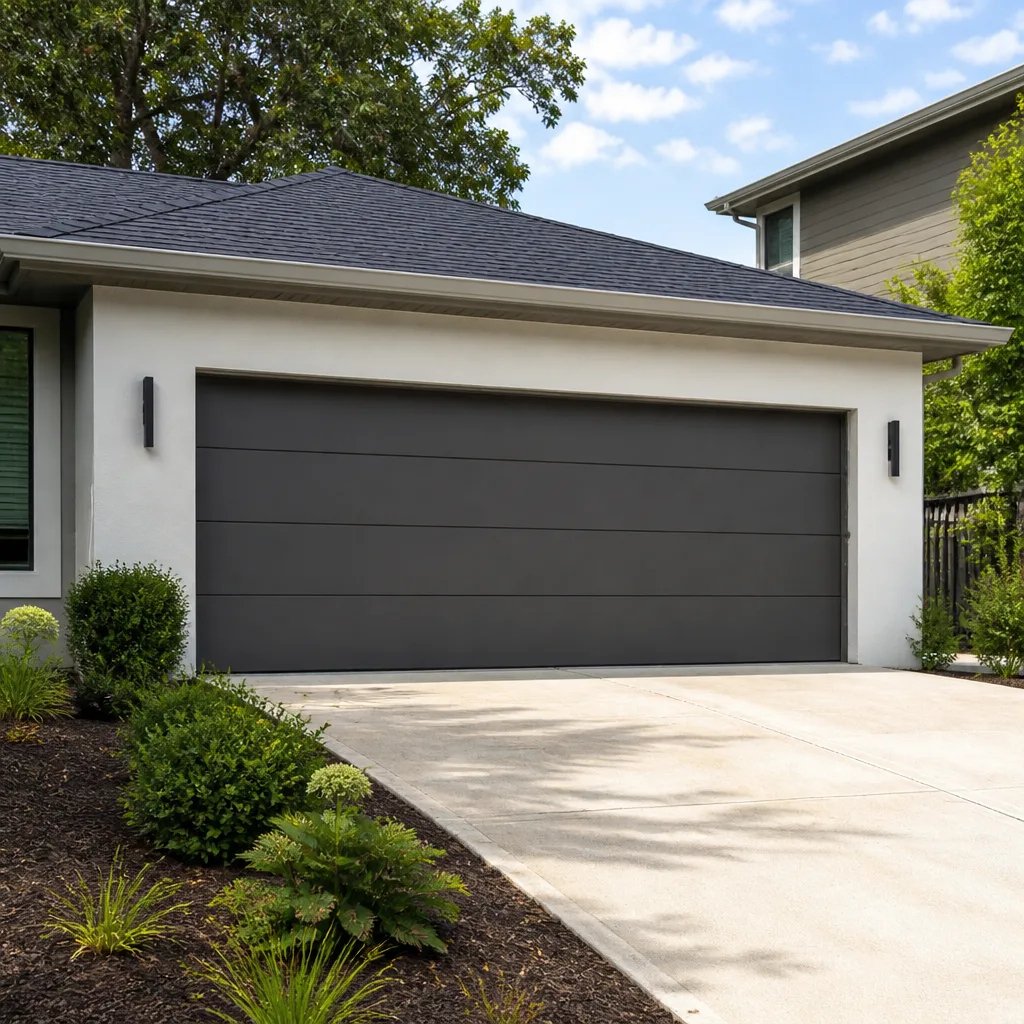 Modern flush
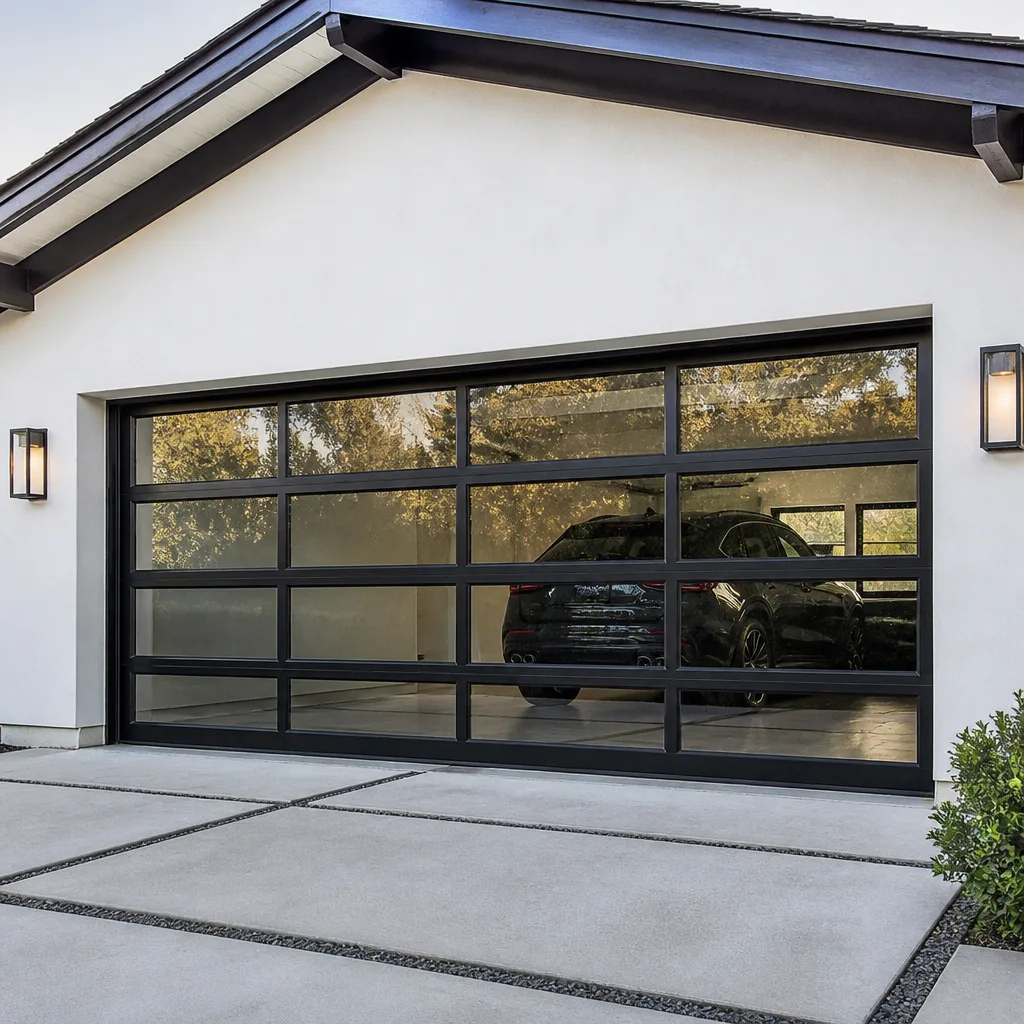 Full-view glass
 LiftMaster openers
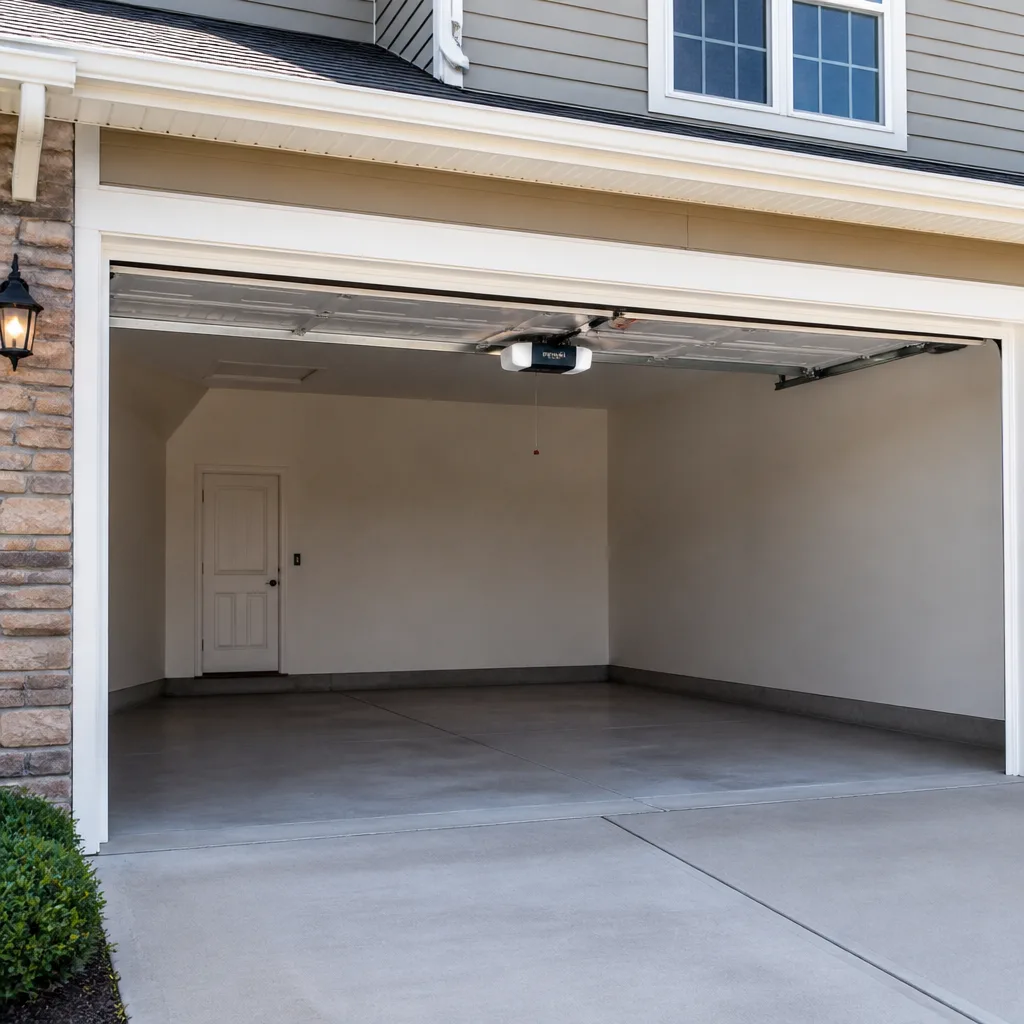 Chamberlain openers
Full 25-point door and opener safety check with every visit - springs, cables, rollers, tracks, and your LiftMaster or Chamberlain opener included
You get a price before we start. It does not change when the pro arrives.
Get your free estimateGarage Door Repair Maintenance Schedule: What to Do and When
Most garage door maintenance advice you’ll find online is built on a guess: lubricate the door once a year, tighten the bolts, and you’re set. That guidance makes a quiet assumption that doesn’t hold up in a busy household. A door used four times a day completes over 1,400 cycles in a year, while most manufacturer lubrication intervals assume roughly half that. Follow the manual to the letter and you’re already behind before the first year is out. This guide replaces the calendar with a schedule built on how often your door actually moves, adjusted for Riverview’s subtropical climate, and tells you plainly which jobs are yours and which belong to a technician.
Quick Answer
Maintenance should follow your door’s cycle count, not the calendar: service it roughly every 5,000 to 7,500 cycles, which for a typical four-times-a-day house arrives in three to five years rather than “once a year.” In Riverview’s climate, add a pre-hurricane-season inspection of cables and brackets in late spring, a post-summer check of rollers and bottom seals in early autumn, and a monthly visual look at balance and alignment. Lubrication is a homeowner job; springs, cables, and brackets are technician-only work.
Styles & brands we work with
- Raised-panel steel
- Carriage house
- Modern flush
- Full-view glass
- LiftMaster openers
- Chamberlain openers
Table of Contents
- Why Your Cycle Count Beats the Calendar
- How to Calculate Your Door’s Annual Cycles
- The Monthly Section: What to Check in Ten Minutes
- Riverview’s Seasonal Schedule: What the Climate Asks For
- Choosing a Lubricant That Survives Florida Heat
- Homeowner Tasks vs. Technician-Only Tasks
- Keeping a Maintenance Log That Actually Matters
- The Parts You Should Never Touch Yourself
Why Your Cycle Count Beats the Calendar
A garage door wears through cycles, not weeks. Every open and close puts one cycle on the springs, the rollers, the hinges, and the opener’s drive gears. A household where someone works from home, the kids come and go, and the lawn equipment lives inside might cycle the door six, eight, or ten times a day. A retired couple with one car might cycle it twice. Both doors carry the same manufacturer sticker recommending annual lubrication, yet one will accumulate three times the wear of the other. That mismatch is why two identical doors in the same Riverview block can have very different repair histories.
The reason is mechanical. Torsion springs are rated in cycles, not years. The oils inside sealed opener bearings degrade by use, not by passing time. Hinges and rollers wear where metal meets metal, and that wear is proportional to how often the plates articulate. When a national maintenance chart says “lubricate every twelve months,” it’s a compromise invented for the widest possible audience. It gets close enough for the average two-and-a-half-cycle household and badly wrong for everyone else.
At Goodwin Garage Door Repair, we work on the brand you already have, and that matters here. LiftMaster, Chamberlain, Genie, Raynor, and the rest all rate their hardware in cycles. When we look at a door in Riverview, the question we ask first isn’t “when was it last serviced?” It’s “how much has this door actually moved since the last time anyone oiled it?” That answer tells us far more about the door’s condition than the date on a sticker.
How to Calculate Your Door’s Annual Cycles
You don’t need a counter to get a useful estimate. Count how many times the door goes up or down in a normal weekday, multiply by seven, then adjust for your weekend pattern. Most households run higher than they expect. The math looks like this:
- Count one day. Track every open and close from morning to bedtime, including trips to the car for forgotten items. Write the number down.
- Multiply by seven. That’s your rough weekly total. Homes typically land between 14 and 70 cycles a week.
- Multiply by 52. A family running 28 cycles a week completes 1,456 cycles in a year. A heavier household at 56 a week reaches 2,912.
- Divide your spring’s rating by your annual total. If you don’t know the spring’s cycle rating, ask a technician to check. A standard spring and a high-cycle spring look almost identical.
- Set your service interval. Aim to have the door professionally reviewed every 5,000 to 7,500 cycles. A light-use household gets there in four or five years. A heavy-use household reaches it in two or three.
Once you have your number, everything downstream shifts with it. Lubrication frequency, roller inspection intervals, opener tune-ups, even the point at which a technician warns you a spring is nearing the end of its rated life. In our experience, homeowners who calculate this once tend to remember it, because it turns a vague chore into an actual schedule. Riverview households with a home office and multiple drivers are the ones who most often discover they’re a heavy-use home flying under an annual-lube radar.
The Monthly Section: What to Check in Ten Minutes
A monthly inspection isn’t a repair session. It’s a quick look designed to catch small drift before it becomes a stuck door. Ten minutes, no tools beyond your eyes and hands, and no reason to touch a spring. Run through this list on the same day each month if you can, so it becomes part of the household routine.
- Listen. A door that grinds, scrapes, or squeals at any point in its travel is telling you something. Note where in the cycle the noise happens.
- Balance test. With the door closed, pull the release cord to disconnect the opener, then lift the door to about waist height and let go. A balanced door stays roughly where you left it. One that slams down or drifts upward needs a technician.
- Visual sweep of the panels. Look for dents, bending, or loose hinge plates. Hinges loosening on a panel is an early warning.
- Check the bottom seal. Feel along the rubber gasket with your hand. Gaps, cracks, or a seal that has flattened are common in this climate.
- Watch the rollers. While the door moves, rollers should turn smoothly in their tracks. A roller that skips or wobbles is due for replacement.
- Test the safety reverse. Place a roll of paper towels in the door’s path and close it with the opener. The door should reverse on contact with the object. If it doesn’t, stop and call for garage door opener repair.
Keep these checks brief and light. The point is pattern recognition, not disassembly. If something feels off, write it down and let it inform your next professional visit rather than reaching for a wrench on a part you don’t recognize. A monthly check that stays in its lane is worth more than a heroic weekend project that ends with a door off its track.
Riverview’s Seasonal Schedule: What the Climate Asks For
Riverview’s subtropical climate puts specific demands on a garage door that a national maintenance guide won’t mention. The heat and humidity cycles through the year are long, and the wet season is real. Build the following two seasonal tasks into your annual rhythm, in addition to your cycle-based intervals.
Late Spring: Pre-Hurricane-Season Cable and Bracket Inspection
Before hurricane season arrives, have a technician inspect the cables, brackets, and fasteners that anchor your door system. This is a task that belongs to a professional. Cables under tension can fail violently, and loosened lag bolts into framing need to be re-set with an understanding of what’s behind the wall. The point of the late-spring check is to catch stretched cables, worn drums, and any bracket that’s worked loose, so a summer storm finds the door sound rather than on the edge.
Early Autumn: Post-Summer Humidity Check
After the long hot stretch, look closely at rollers, hinges, and the bottom seal. Rollers that spend months in humid air can develop surface rust at the bearing. Bottom seals harden and crack. Hinges pick up grit. This is also the right time to clean out the tracks with a cloth, remove any debris, and check your lubricant hasn’t washed or worn away. Fresh silicone spray on rollers, hinges, and the torsion bar bearings is an autumn ritual worth keeping in Riverview.
The Full-Year Rhythm
Laid out across twelve months, the seasonal layer looks like this for most Riverview homes:
- Monthly: Balance check, visual sweep, safety reverse test, listen for new noises.
- Late spring: Professional cable and bracket inspection before storm season.
- Early autumn: Post-summer roller and seal check, fresh lubricant, track cleaning.
- Cycle-based: Full professional service at your calculated interval, typically every 5,000 to 7,500 cycles.
When something breaks between scheduled visits, garage door repair is a phone call away. Same-day service is available, and we answer 24/7. Fast dispatch from 7am to 7pm, Sunday through Friday.
Choosing a Lubricant That Survives Florida Heat
Standard spray lubricant of the household variety is the wrong call for a garage door in Riverview. The most common brand-name spray is a light solvent-based product that cleans and displaces water but doesn’t leave a lasting film. It’s useful in many places, just not on a door that cycles thousands of times a year in humid heat. What you want is a silicone-based spray or an equivalent light garage-door lubricant, applied sparingly to the right places.
Here’s where it goes and where it doesn’t:
- Rollers and hinges: a light silicone spray, a short burst on each.
- Torsion bar bearings: a few drops where the bar meets the bearing plate.
- Track: a clean, dry wipe with a damp cloth. No lubricant. Tracks should stay dry so rollers don’t slip.
- Springs, cables, and drums: leave them alone. These are under tension and not a homeowner lubrication zone.
Why silicone and not oil? In heat, heavier oils thin and migrate, drawing dust and grit into the very places you’re trying to protect. Silicone holds up better, stays where you put it, and doesn’t collect the grit that turns a good bearing into a grinding one. A little goes a long way. One short spray on each hinge and roller, once per season, is plenty. Over-application attracts debris and is a common cause of a door that starts rattling a few months later.
Homeowner Tasks vs. Technician-Only Tasks
There’s a line in garage door maintenance, and it needs to be explicit rather than implied. Below it are tasks that belong to you: lubrication, visual inspections, balance checks, safety reverse tests, cleaning tracks, and keeping a log. Above it are tasks that involve stored energy or hardware under meaningful tension: springs, cables, drums, brackets, and anything that adjusts the door’s counterbalance.
The reason for the line is simple. A garage door’s torsion springs hold the weight of the door, often a few hundred pounds, and they hold it with stored energy that is released instantly if something gives. Cables under load can whip. Brackets can shear. There is no safe way to learn that hard way. A trained professional knows how to release and re-tension safely, uses the right tools for the job, and knows when a component needs replacement rather than adjustment.
The homeowner side of the line is worth taking seriously too. A monthly ten-minute check, done consistently, catches the majority of problems while they’re still small: a stretched spring, a loosening bracket, a roller about to seize. Those early warnings are what let a technician fix things before they cascade. When shopping for a service partner, look for someone who works on the brand you already have rather than steering you toward a replacement. We’ve built our reputation on repair-first diagnostics, and it’s why we work on Raynor and LiftMaster and Chamberlain and Genie with the same fluency, rather than specializing in one brand or pushing a preferred line. Single-trade focus means every tool in the box is for a garage door. Nothing is split across other trades.
Keeping a Maintenance Log That Actually Matters
A maintenance log is only worth keeping if it contains the right things. The right things are dates, cycle estimates, work performed, parts replaced, and who did the work. Not the brand of lubricant, not the weather, not your opinion on how the door sounded. Keep it simple or you won’t keep it at all.
Here’s the format that works for most Riverview homes:
- Date. Write the day of each maintenance action, whether you did it or a technician did.
- Action taken. “Lubricated hinges and rollers.” “Monthly balance check, passed.” “Technician inspected cables, replaced left roller.”
- Cycle estimate at the time. If you’ve calculated your annual cycles, note roughly where you are. “Approximately 4,200 cycles.”
- Parts replaced and brand. If a spring, roller, or opener component was replaced, name the part and the brand. This matters if the same opener brand later needs a compatible replacement part.
- Company or person. Name the technician or company that did the work. If you’ll ever make a warranty claim, this is the record that proves the maintenance history.
- Next service due. Write the cycle target for the next full professional service so it’s not a memory exercise.
Why does this matter beyond the workshop? Two reasons. First, many opener manufacturers base their warranty coverage partly on documented maintenance, and a log protects you if a claim arises. Second, if you ever sell the home, a maintenance record is a real selling point for a buyer wary of a tired garage door. And in the event of an insurance question after storm damage, a clear record of what was inspected and when is worth more than your memory of when you last oiled the door.
Keep the log in the garage, on the wall or in a drawer near the door. Digital is fine too; a simple note on your phone works as long as you’re consistent about it.
The Parts You Should Never Touch Yourself
We want to be direct about the parts of your door that are genuinely dangerous. The garage door’s counterbalance system combines heavy stored energy with hardware that’s under tension every minute of the day. That’s a fundamentally different situation from changing a light bulb or oiling a bike chain.
- Torsion springs. These carry the full weight of the door and hold it with tension that can release without warning. Only a trained technician should adjust, release, or replace them.
- Extension springs. The same warning, plus the added hazard of the safety cable running through them.
- Cables and drums. Cables under load can fail violently. Never touch them, never try to re-seat one yourself.
- Brackets and anchor bolts. These are structural, and re-tightening one that’s loosened requires knowing what’s behind the wall and what load it should carry.
- Track adjustment. Tracks look simple. Bending one back into place is a skill, and going too far can turn a small misalignment into a door off its track.
If a spring looks broken, a cable looks slack or frayed, or the door doesn’t stay up when you lift it, stop and call a professional. Don’t try to finish opening or closing it with the opener. A trained technician will diagnose the door correctly the first time and give you a fair, honest assessment of whether a repair makes sense or a replacement does. That’s the repair-first approach we take on every Riverview door we’re called to.
Common Mistakes to Avoid
- Following a calendar instead of a cycle count. Once-a-year lubrication is a safe assumption for light use and badly insufficient for a busy household. Calculate your cycles before you trust any chart.
- Spraying WD-40 or similar on the tracks. Household spray lubricant turns tracks into a dust magnet. Tracks should stay dry; rollers and hinges get the silicone.
- Ignoring a slow-developing sound. A new grind or squeal usually has a specific cause, and it’s cheaper to fix on the first month’s notice than the sixth. Write it down and get it looked at.
- Skipping the late-spring professional inspection. Pre-hurricane-season is the moment to catch a loosening bracket or a stretched cable. Waiting until a storm is forecast is too late to schedule anything.
- Lubricating the springs and cables. These aren’t lubricated surfaces. Spraying them collects grit and does nothing useful, and it invites the temptation to inspect them with your hands.
- Not keeping a written log. A maintenance record is worth very little when it’s reconstructed from memory. Note dates, actions, and brands as you go.
- Skipping the safety reverse test. This is the single most important thing you’ll check on a monthly basis. If a door won’t reverse on contact with an object, don’t wait for the next scheduled visit.
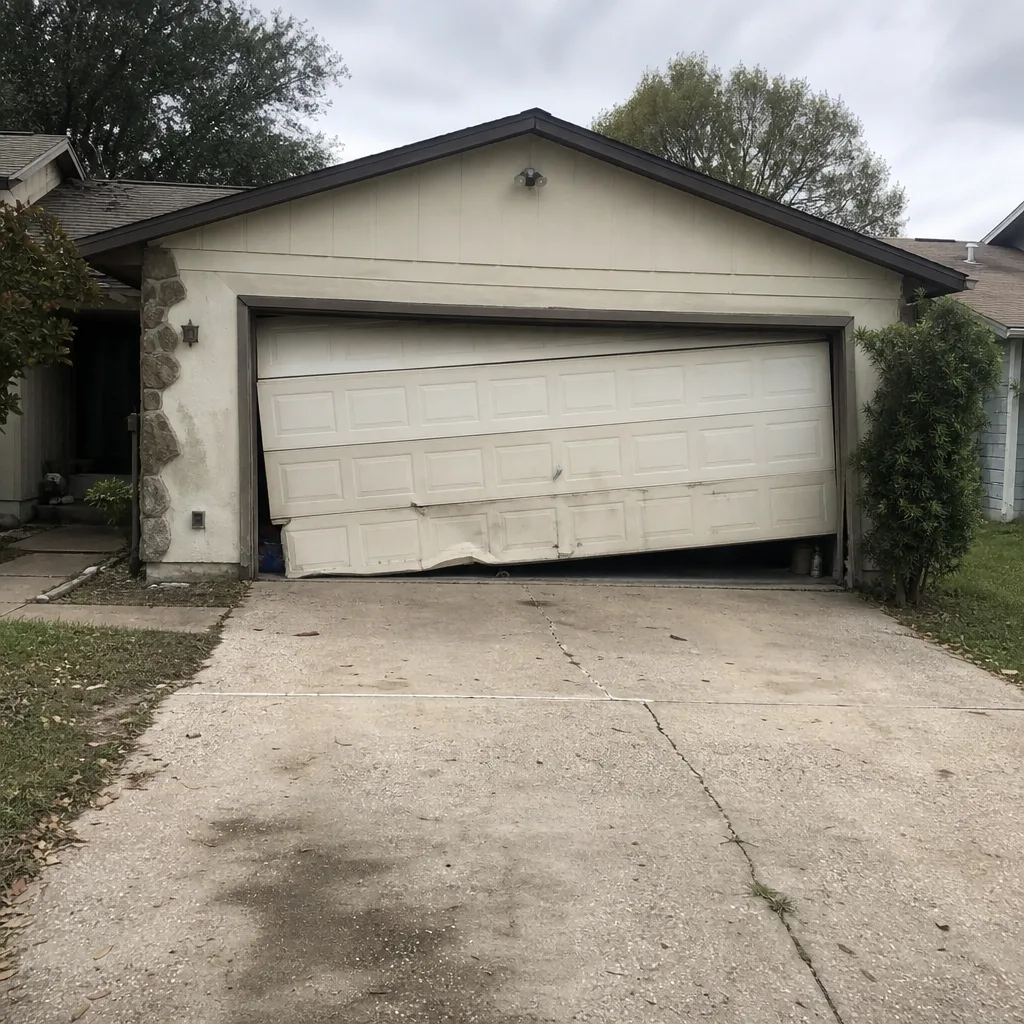
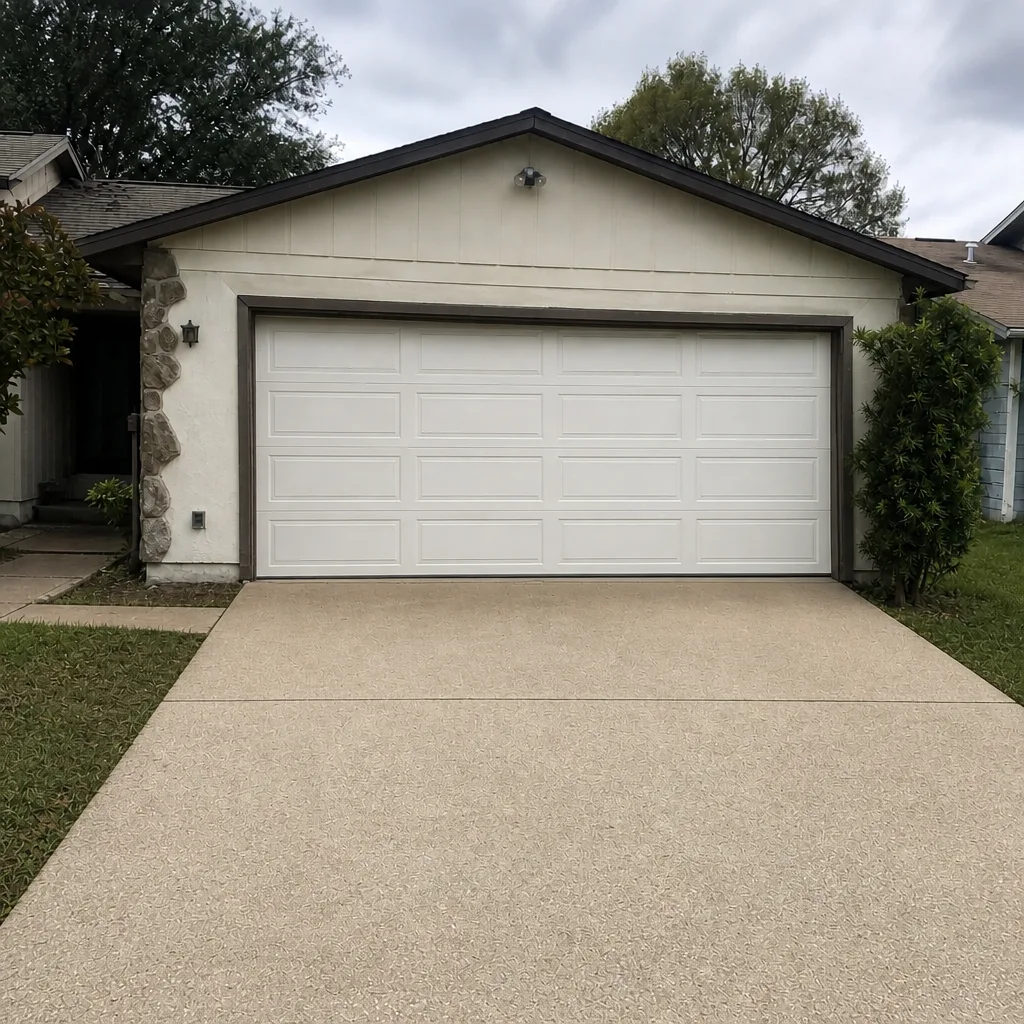
See the difference
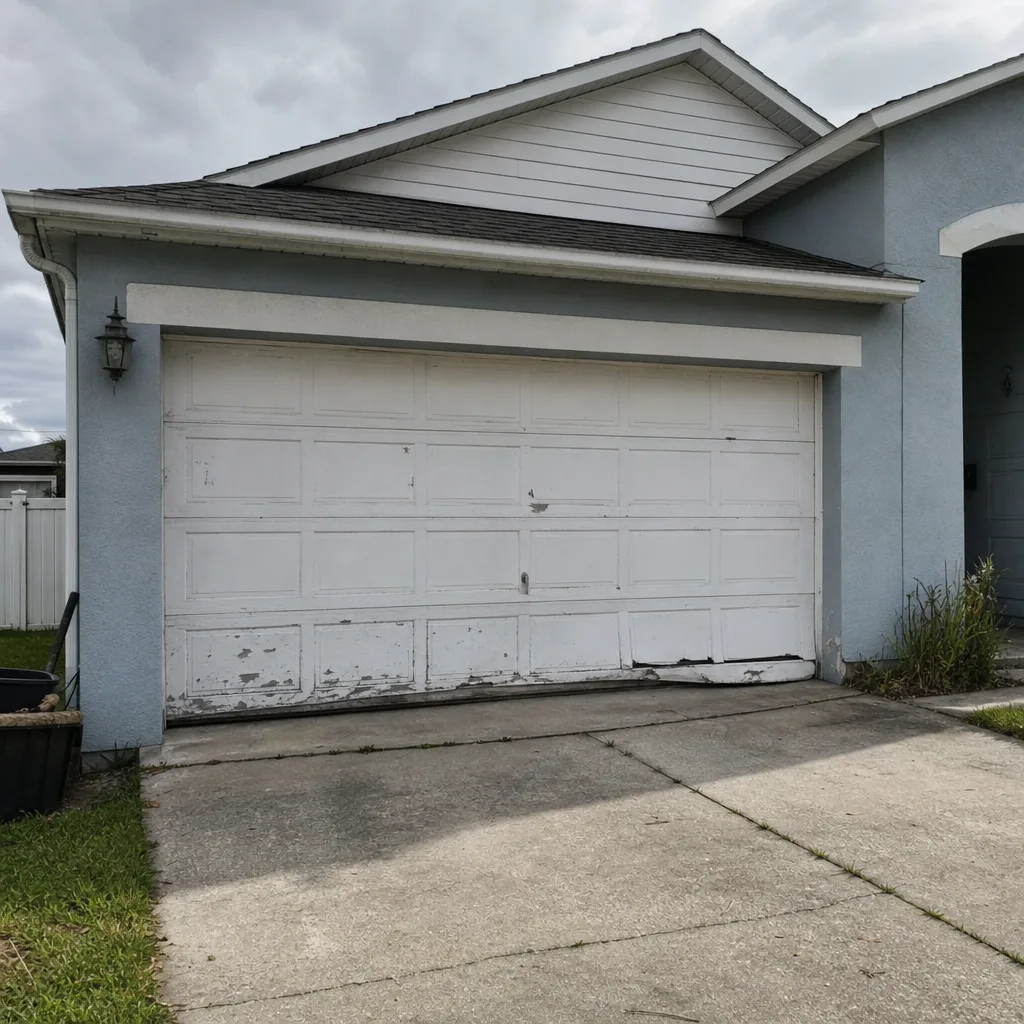 Before
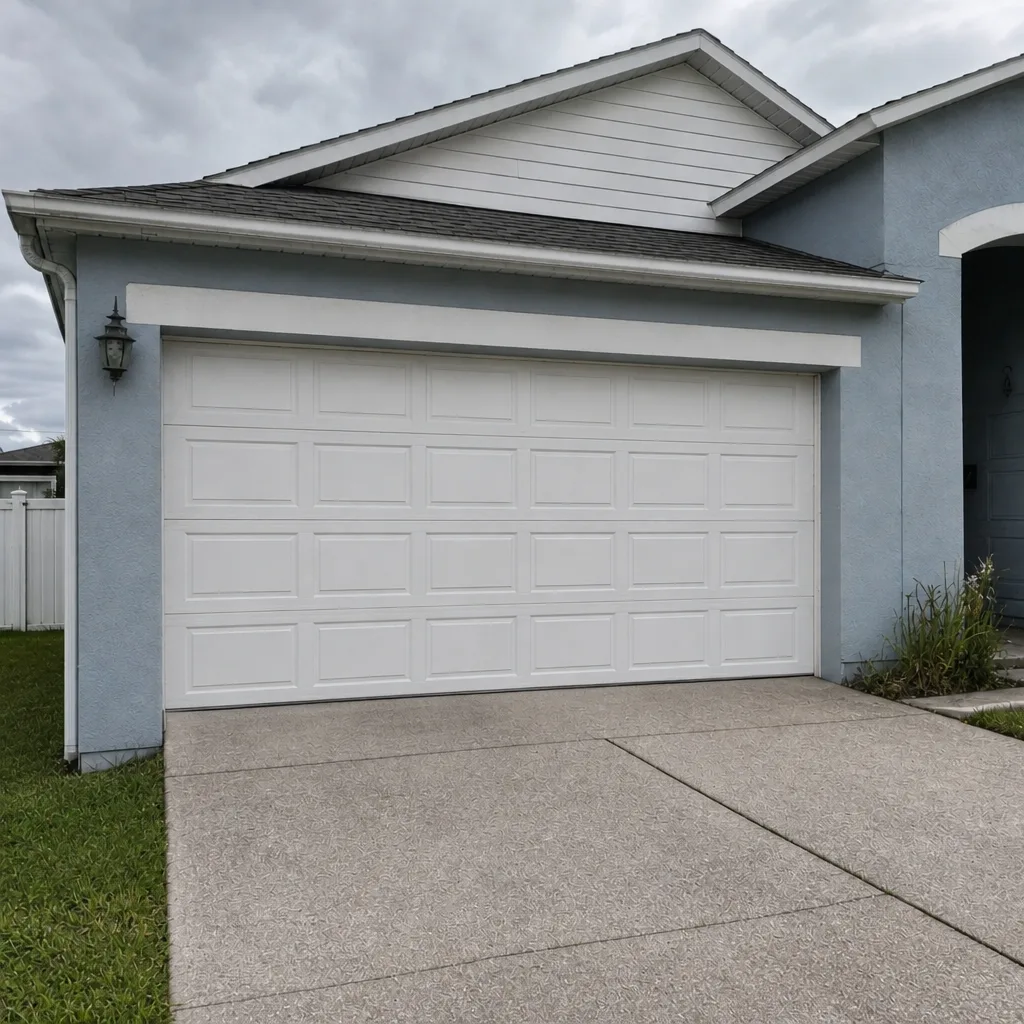 After
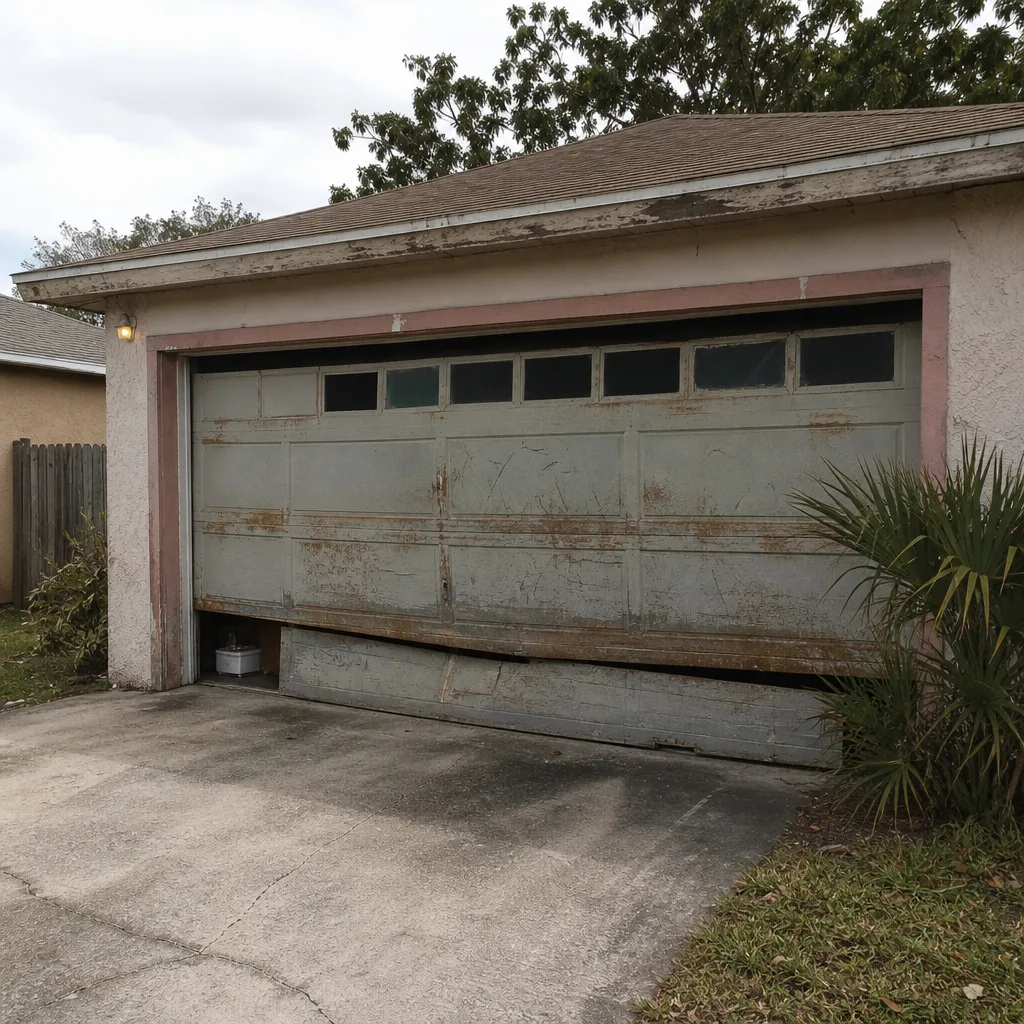 Before
 After
 Before
 After
When to Call a Professional
Call a professional when the balance test fails, when a broken spring is visible, when a cable looks slack or frayed, when the door goes up crooked or doesn’t close fully, when the safety reverse fails its test, or when the opener strains or cycles without moving the door. Call also for the routine late-spring inspection, and whenever you can’t identify a new noise. Our technicians have up to 13 years of experience and single-trade focus on garage doors only, so diagnosis is what they do every day. Goodwin Garage Door Repair offers free estimates in Riverview. Call (855) 473-8424. We answer 24/7. Fast dispatch from 7am to 7pm, Sunday through Friday.
Frequently Asked Questions
Roughly every 5,000 to 7,500 cycles for a full professional service, plus a monthly homeowner check and two seasonal inspections – late spring for cables and brackets, early autumn for rollers and seals. That cycle first, calendar second approach fits Riverview’s climate and varied household patterns far better than a fixed annual rule. Call (855) 473-8424 for an exact quote – estimates are free.
Yes, on the rollers, hinges, and torsion bar bearings. Use a silicone-based spray, once per season, a short burst per component. Keep the tracks dry, and never touch springs, cables, or drums. Call (855) 473-8424 for an exact quote – estimates are free.
Silicone-based spray or an equivalent garage-door-specific lubricant. Standard household spray lubricant is a cleaning product, not a lasting film, and turns into a dust magnet in the tracks. Silicone holds up better in heat. Call (855) 473-8424 for an exact quote – estimates are free.
Yes, in Riverview it is. Cables, brackets, and fasteners take the load of a door in motion all year, and catching a stretch or a loosening bracket before storm season is far cheaper than discovering it after. A technician handles this inspection. Call (855) 473-8424 for an exact quote – estimates are free.
Two signs: a door that no longer stays up when you lift it to waist height, and a very heavy feel when opening. A technician can also check the spring’s rated cycle count against your door’s accumulated cycles. Call (855) 473-8424 for an exact quote – estimates are free.
It can. Some opener manufacturers factor documented maintenance into warranty coverage, and a written record of when parts were replaced, and by whom, is worth having in an insurance conversation after storm damage. Keep the log simple: date, action, cycle estimate, parts, and company. Call (855) 473-8424 for an exact quote – estimates are free.
The Bottom Line
Build your garage door schedule around cycles, not the calendar. A door that moves four times a day completes over 1,400 cycles a year, so once-a-year lubrication is a starting point, not a plan. Add the two Riverview-specific seasonal tasks – late-spring cable and bracket inspection, early-autumn roller and seal check – and you’re well ahead of any national checklist. Keep a simple log. Use silicone, not household spray. Stay away from springs, cables, and drums. Everything else you can do in ten minutes a month, and the professional side of the schedule is a call away whenever you need it.
Goodwin Garage Door Repair handles garage door repair, garage door opener repair, and garage door installation across the brands you already own, from LiftMaster to Raynor. If something’s off with your door in Riverview, call (855) 473-8424. We answer 24/7. Fast dispatch from 7am to 7pm, Sunday through Friday. Free estimates, and the price is quoted and agreed before any work starts.
Written by the team at Goodwin Garage Door Repair.