
Last updated November 15, 2026
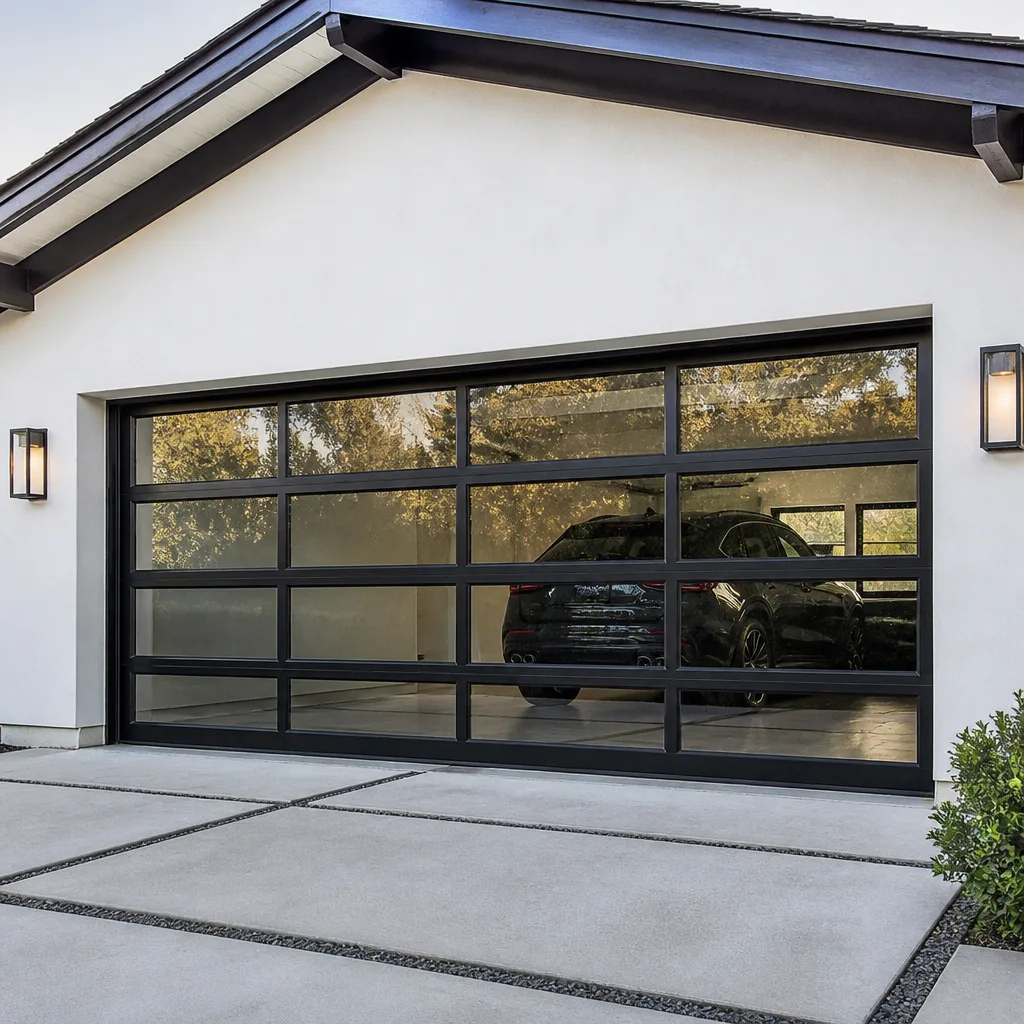 Full-view glass
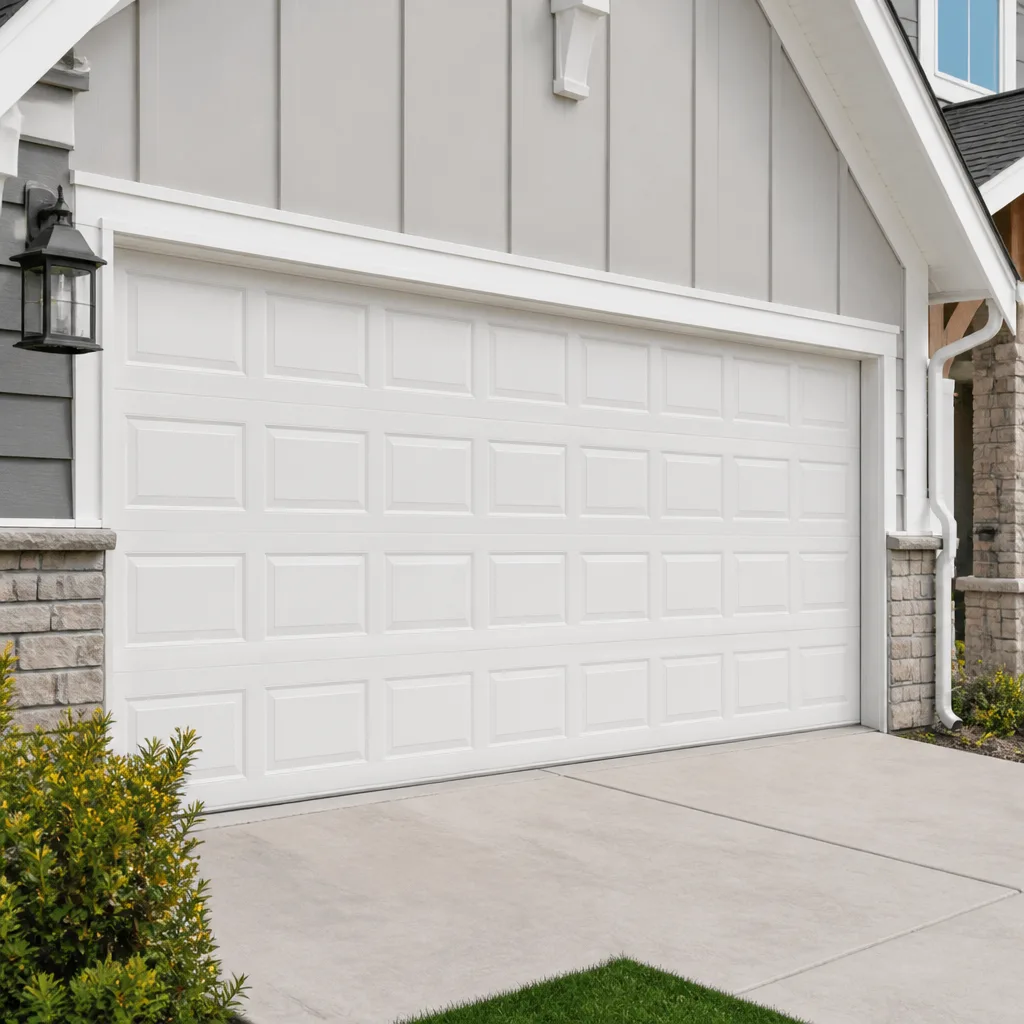 Raised-panel steel
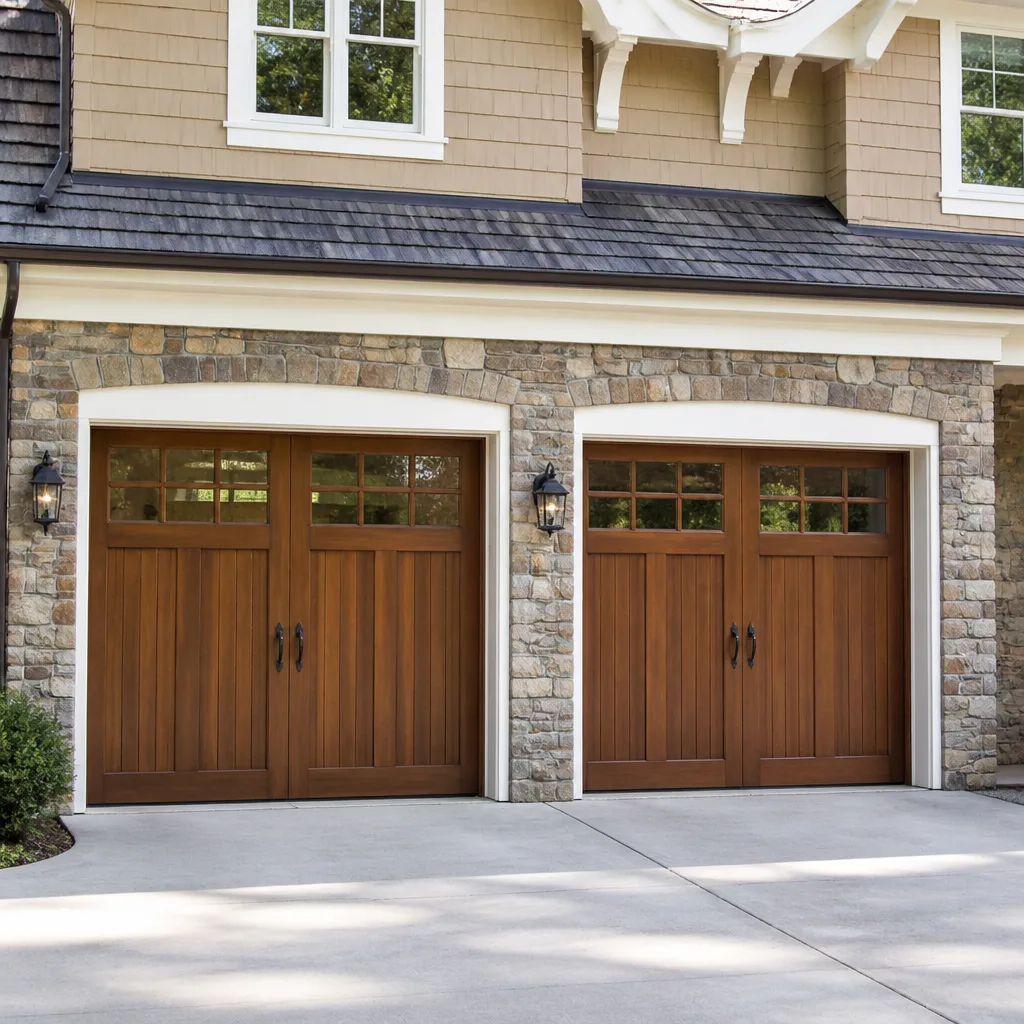 Carriage house
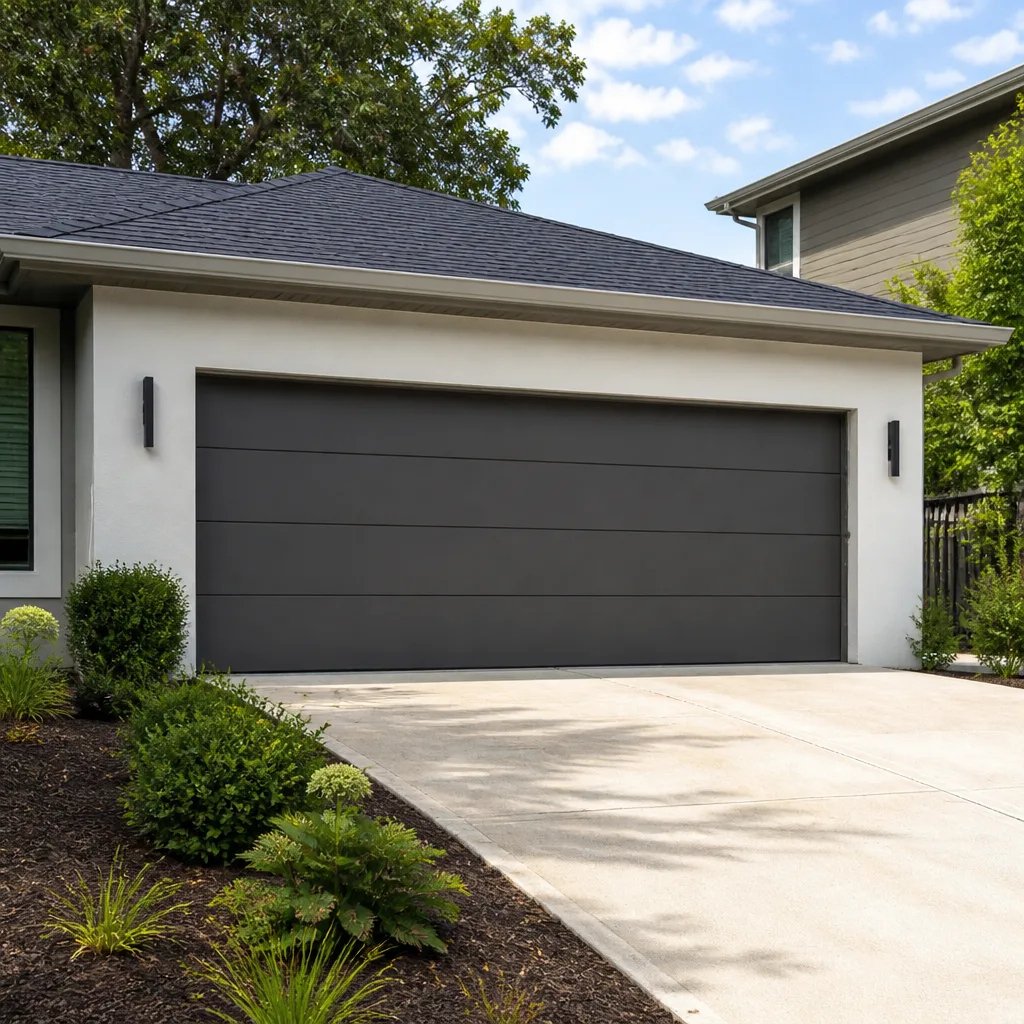 Modern flush
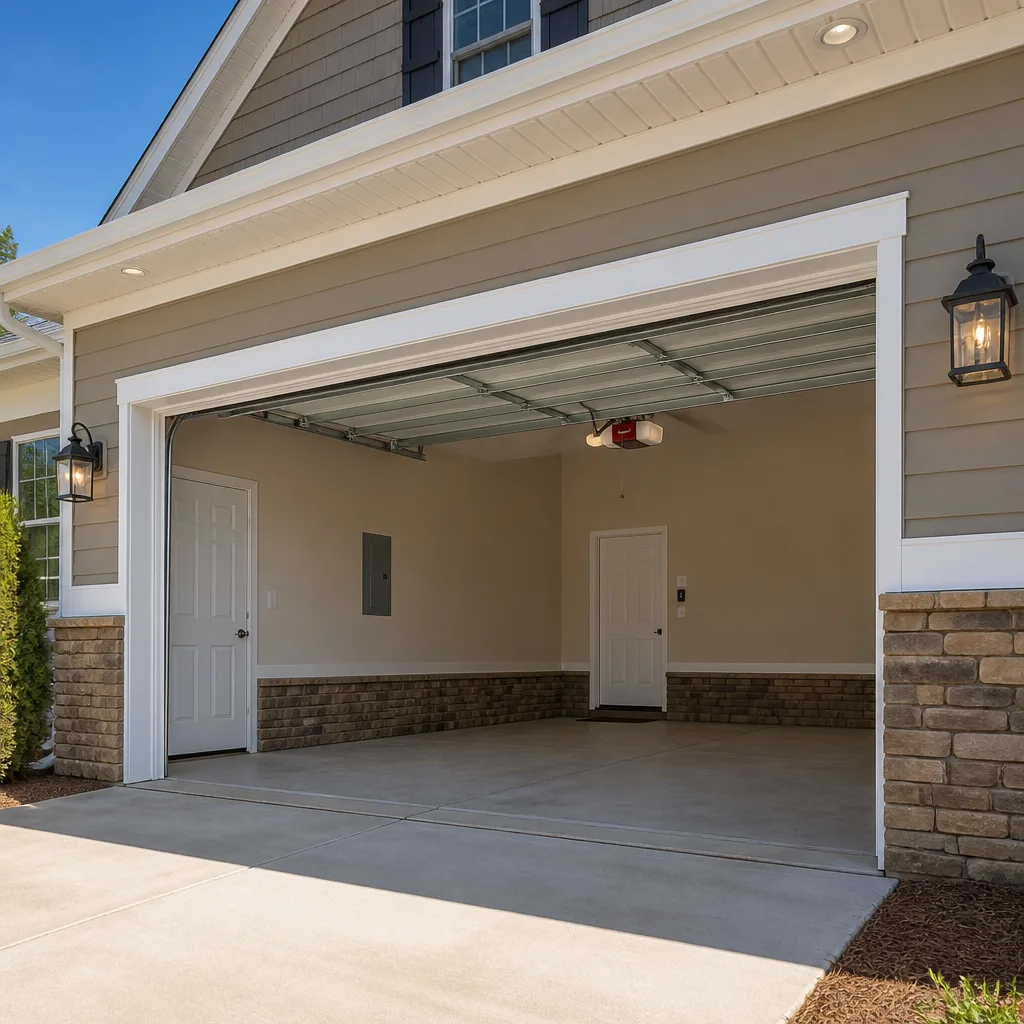 LiftMaster openers
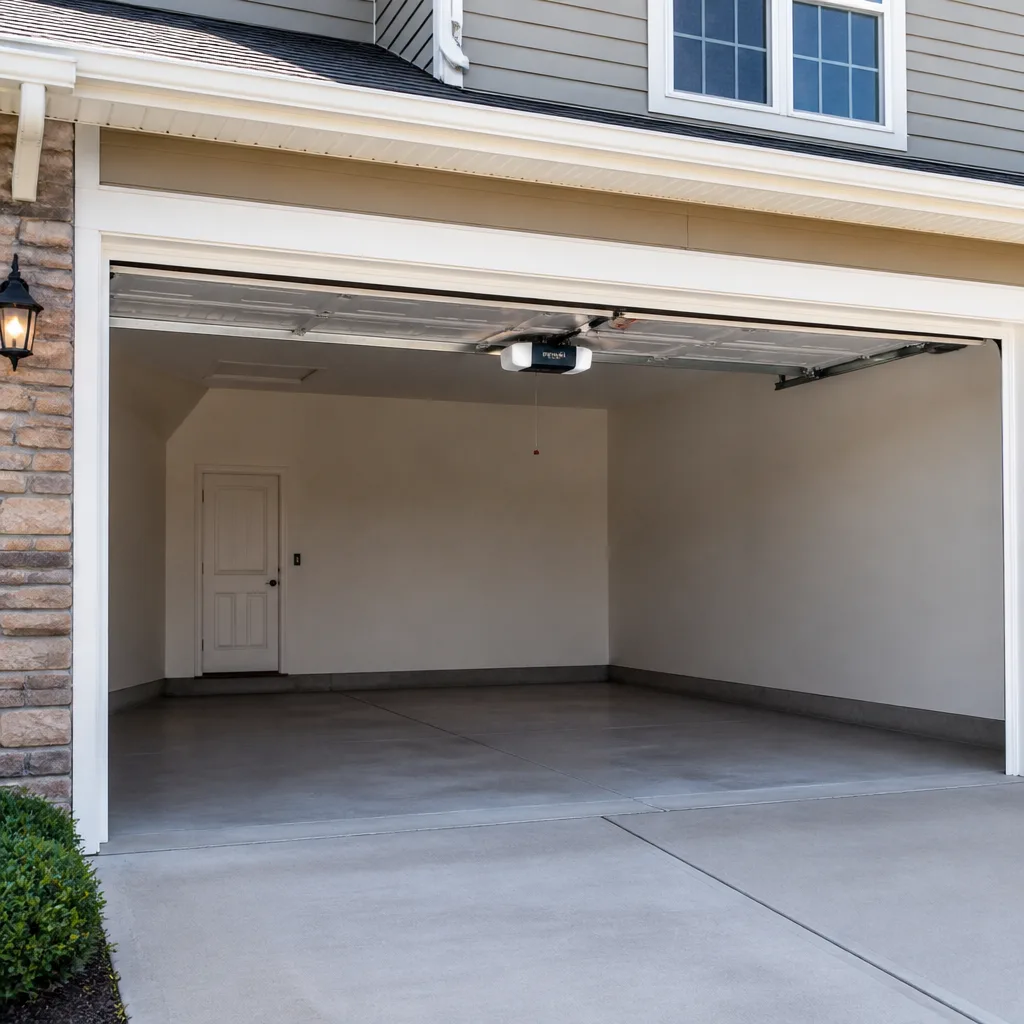 Chamberlain openers
Full 25-point door and opener safety check with every visit - springs, cables, rollers, tracks, and your LiftMaster or Chamberlain opener included
You get a price before we start. It does not change when the pro arrives.
Get your free estimateGarage Door Repair Troubleshooting in Riverview: Common Problems and How to Fix Them
The door that “just stopped working” overnight almost never actually stopped overnight. Garage door systems fail in stages, and the warning signs usually show up weeks before the final breakdown: a slightly slower close, a rattle that wasn’t there last month, a grinding noise that lasts half a second longer each time. Most homeowners ignore those early signals until the car is trapped inside and a morning is lost. The problem is rarely mysterious once you know how to read the symptom. In this guide we’ll map each common failure to the part actually responsible, explain which Riverview conditions speed up wear, and show you exactly how far a homeowner can safely go before a trained technician needs to take over.
Quick Answer
Most garage door problems in Riverview trace to one of four parts: the springs (lifting force), the opener (motor and drive), the tracks and rollers (path and balance), or the safety sensors (the beam between the rails). A slow or heavy door points to springs. A hum with no movement points to the opener. A jerky or noisy door points to tracks and rollers. A door that reverses immediately points to the safety sensors. Springs and cables are not DIY territory – those always need a professional.
Styles & brands we work with
- Raised-panel steel
- Carriage house
- Modern flush
- Full-view glass
- LiftMaster openers
- Chamberlain openers
Table of Contents
- The Symptom-to-Part Map: What Your Door Is Telling You
- Opener or Door? How to Tell Which One Is Actually Broken
- Why Riverview Humidity and Heat Speed Up Garage Door Wear
- The Three Safe DIY Adjustments (and Two That Never Are)
- The Troubleshooting Decision Tree
- Grinding, Squeaking, and Banging: Decoding Garage Door Noise
- One Side Sagging or Off-Track: What It Means
- Brand-Specific Notes: Genie, Clopay, Amarr, and Wayne Dalton
The Symptom-to-Part Map: What Your Door Is Telling You
Garage doors are simple machines with a small number of moving parts, and each part fails in a recognizable way. If you can match the symptom to the part, you already know whether it’s a quick fix or a serious repair. Here’s how we break it down in our own diagnostic work.
- Door closes slowly or feels heavy. Worn or fatigued torsion or extension springs. The motor is straining to lift a door the springs should be helping move.
- Motor hums but the door doesn’t move. Either a stripped opener gear, a failed drive belt or chain, or a broken spring with the opener trying to push past it. This is an opener problem about half the time and a spring problem the other half.
- Grinding or screeching noise. Dry or worn rollers, a bent track section, or a failing opener gear. The location of the sound tells you which – near the rail means the opener, along the track means rollers.
- Door reverses immediately after touching the floor. Safety sensor misalignment or a photo-eye blocked by dust, cobwebs, or a stray leaf. This is the most common “no-work” call we get, and it’s usually solved in minutes.
- Door goes up crooked or one side lags. A snapped cable, a slipping drum, or one broken spring on a two-spring setup.
- Door won’t stay up when you lift it manually. Spring tension is gone. This one is a call-us-now scenario, not a DIY project.
If two or more of these symptoms show up together, the odds go up that more than one part is worn and the door needs a proper inspection rather than a single-part replacement. In that case, garage door repair in Riverview should be handled by someone who can look at the whole system, not just the part that stopped working.
Opener or Door? How to Tell Which One Is Actually Broken
Most troubleshooting guides skip this entirely, and it’s the single most important distinction a homeowner can make. The opener and the door are two separate mechanical systems that work together, and when the door stops functioning you need to know which half failed before anyone touches it.
Here’s the test we walk customers through over the phone. First, pull the emergency release cord hanging from the opener rail. That disconnects the opener from the door. Now lift the door by hand.
- If the door lifts smoothly and stays open on its own about halfway up, the door mechanics and springs are healthy. The problem is almost certainly in the opener or the drive.
- If the door is very heavy, won’t stay up, or you can barely lift it, the springs or cables are the failure point. The opener may be fine – it’s just been fighting a door it was never designed to lift alone.
- If the door binds, scrapes, or pops as it moves by hand, the tracks, rollers, or panels are damaged. Reconnecting the opener won’t fix it.
- If the door moves freely but the opener still won’t respond, look at the power, the wall button, the remote battery, and the safety sensors before assuming the motor is dead.
That last scenario is where we see homeowners replace a perfectly good opener. Openers from LiftMaster and Chamberlain and older Genie units usually fail in a specific way: the motor runs but the trolley doesn’t move, or the wall button works while the remote doesn’t. Those symptoms point to logic boards, gears, or remote programming – not the whole unit. When the diagnosis lands on the opener itself, call for garage door opener repair rather than pricing a full replacement blind. Our technicians have up to 13 years of experience with that exact distinction.
Why Riverview Humidity and Heat Speed Up Garage Door Wear
Garage door wear isn’t evenly distributed across the country – the environment does half the work. Riverview’s warm, humid climate is harder on garage door systems than the dry-climate standards most manufacturing and service advice assumes.
The biggest effect is on springs. Torsion and extension springs are under constant tension, and every cycle – open and close – works the metal. Heat accelerates metal fatigue because the spring steel expands and contracts more through the day, and the humidity cycling between morning and afternoon raises the corrosion rate inside the spring coils. A garage here can be 20 degrees hotter than the outside air by mid-afternoon, and that heat sits on the springs for hours. Springs that would last longer in a mild, dry climate tend to fail sooner in Riverview. That doesn’t mean you need to panic; it means you shouldn’t ignore the first slow-down when it happens.
Humidity also rusts tracks and rollers faster. Steel tracks, especially galvanized ones, will spot with surface rust on the inside curve where condensation collects. That rust slows the rollers, adds friction, and speeds up roller wear. It’s why we recommend a dry silicone-based lubricant on tracks and rollers as routine upkeep here rather than an occasional afterthought. Keep the lubricant off the springs and cables themselves – those are handled by a technician, not a spray can.
The panels themselves also age differently. Riverview sun exposure bleaches and dries out paint, and a steel door that’s been in the sun for years can rust at the bottom where water pools inside the panel. A wood or wood-composite door will absorb humidity and can warp at the edges. Neither is a reason to replace the door – most Riverview doors we see are repair candidates, not replacement candidates.
If you want to read more about how the local environment affects service scheduling, our Riverview page covers the basics and the neighborhoods we work across.
The Three Safe DIY Adjustments (and Two That Never Are)
Some fixes are genuinely within reach for a homeowner with a screwdriver and a few minutes. Others are not, no matter how handy you are. Here’s the honest split.
Three things you can safely check or adjust
- Safety sensor alignment and cleaning. The two photo-eye sensors sit a few inches above the floor on each side of the door. If the door reverses without touching anything, clean the lenses with a soft cloth and check that the small indicator light on each sensor is on and steady. If one is flickering or off, nudge it back into alignment. This alone solves a large share of “door won’t close” calls.
- Roller and track lubrication. A dry silicone spray on the rollers and the inside curve of the tracks cuts noise and friction. Avoid grease and avoid WD-40 on the tracks – both attract dust. Never spray anything on the springs or cables.
- Track obstruction. Debris, toys, or a fallen object alongside the track can prevent the door from closing fully. Clear the path and look along the full travel of the track. If a track is visibly bent, don’t try to bend it back into shape – that’s a technician job.
Two things that always require a professional
Spring tension and cable winding are the two components a homeowner should never touch. Torsion springs hold enough stored energy to cause serious injury if they release unexpectedly, and a snapped cable can whip across the garage. Even experienced tradespeople who aren’t garage door specialists don’t attempt this work. If you suspect either is involved, step away from the door and call a trained technician. This is one of the genuinely dangerous parts of the job, and we treat it that way.
The Troubleshooting Decision Tree
A list of symptoms is useful, but a decision path is more useful. Here’s the sequence we recommend for a homeowner standing in the garage with a door that won’t work.
- Does the opener respond to the remote or wall button at all? If no – check the circuit breaker, the wall outlet, and the remote battery first. If those are fine, it’s an opener issue.
- Does the opener hum or click but not move the door? Pull the emergency release and try lifting the door by hand. Heavy or stuck door means spring or track failure. Free-moving door means the opener drive is broken.
- Does the door move but in the wrong direction or reverse immediately? Check safety sensors and the down-limit setting on the opener. If neither fixes it, the logic board or limit switch is suspect.
- Does the door move crooked or bind mid-travel? Stop pressing the button and look at the cables and tracks. Snapped cables and bent tracks are safe to spot but not to fix.
- Does the door make unusual noise but otherwise work? Lubricate the rollers and tracks, then check again. If the sound persists near the opener, it’s a gear or bearing problem.
- Does the door work manually but not with the opener, and none of the above apply? Look at the safety sensors mounted near the floor. Far more often than not, that’s the culprit.
This path takes about ten minutes and gives you a real answer rather than a guess. When the path lands on springs, cables, or the opener drive, that’s where our Goodwin Garage Door Repair team can help – but the diagnosis itself is often worth doing before anyone is called, because it prevents the guess-and-replace cycle that drives up repair costs.
Grinding, Squeaking, and Banging: Decoding Garage Door Noise
Not all garage door noise is equal, and the type of sound narrows the failure down fast.
- High-pitched squeak or screech during travel. Dry rollers or a dry torsion tube. Lubrication is the first step and often the whole fix. If it returns within a couple of weeks, the rollers are worn and need replacement.
- Grinding that gets louder over a few cycles. Metal-on-metal from a worn opener gear or a roller that’s seized. Grinding that starts suddenly usually points to a track pin or a snapped cable end catching on something.
- Loud bang from the garage when nobody was home. A torsion spring has broken. The door won’t lift with the opener afterwards. This is a same-day service call, not something to troubleshoot further.
- Rattle that shows up when the door is moving fast. Loose hinges or a door panel bolt that has backed out. Usually easy to tighten, but worth a look before it becomes a panel problem.
- Clicking near the ceiling from the opener motor. A relay or logic board issue. On a Genie or Chamberlain opener this is usually a board, not a full opener.
Riverview’s humidity makes the squeak-and-grind category more common than it would be in a drier climate, because rust builds up on the inside of the track and on roller shafts. A simple quarterly check with a silicone spray here keeps the noise down and adds years to roller life.
One Side Sagging or Off-Track: What It Means and What to Do
A door that goes up crooked, sags on one side, or pops off the track is telling you that a load-bearing component has failed. On a two-spring system, one spring can break while the other stays intact, and the door will lift – just unevenly. The intact spring looks fine, which is why this gets misdiagnosed as a track problem.
Similarly, a snapped lift cable on one side will let that side of the door drop or lag. The drum on that side will spool loose, and you may see cable visible where there shouldn’t be any. Neither of these is safe to run the opener through – the door can bind, twist a panel, or come completely off the track. Stop operating it.
Off-track doors fall into two categories: a minor derailment (one roller has come out of the track) and a major one (a panel has bent, or the door has twisted significantly). A minor derailment is sometimes re-seated by a technician in a few minutes. A major one usually means a panel replacement, and we work with panel suppliers including Clopay and Amarr because they match the most common Riverview door profiles. If the door has come off-track and won’t sit flat in the frame, don’t try to force it – that’s where real damage happens.
Brand-Specific Notes: Genie, Clopay, Amarr, and Wayne Dalton
Brand matters for diagnosis because different manufacturers use different drive systems, spring setups, and safety features. Here’s what we see most often in Riverview.
Genie openers often use a belt drive, which runs quieter than chain but can stretch and slip over time, producing a slow response or a hum with no movement. Genie’s older screw-drive models are durable but the trolley carriage is a common wear point. Chamberlain and LiftMaster units are everywhere and their failure modes are well understood – the main wear items are the drive gear and the logic board. We work on all four.
Clopay and Amarr doors are two of the most specified residential lines in Riverview because they’re widely available and their panel profiles match the local housing stock well. Clopay doors tend to be easier to source panels for after a bend; Amarr doors are known for solid steel construction and good track geometry, which makes them less prone to binding. Wayne Dalton is another common sight, and their TorqueMaster torsion systems sit differently from a standard torsion setup – worth knowing before anyone tries to adjust spring tension, because the equipment is different.
If your door has a Craftsman opener, it’s likely a rebranded Chamberlain unit manufactured years ago – diagnosis is the same, and parts availability depends on the model. Raynor doors round out the eight brands we’re certified to work on. Whatever brand is already on your home, we work on it rather than steering you toward a replacement brand.
Common Mistakes to Avoid
- Forcing a stuck door with the opener. If the door won’t lift, the opener isn’t the problem – it’s the springs. Repeatedly pressing the button burns out the opener motor and can twist a door panel.
- Spraying WD-40 on the tracks and springs. WD-40 is a solvent, not a lubricant, and it strips the factory film off the tracks. It also doesn’t belong on springs or cables. Use dry silicone spray on tracks and rollers, and leave the springs to a technician.
- Replacing the opener when the door is the problem. We’ve been called to install a new opener only to find a broken spring underneath. The door first, then the opener – always run the release-and-lift test before pricing any opener repair.
- Ignoring a small rust spot on a track. Riverview’s humidity makes rust on track interiors spread quickly and eat the roller shafts. Address it early and you get years more from that track.
- Trying to “fix” a broken torsion spring by winding it tighter. This is the single most dangerous DIY mistake in the garage door trade. Springs are under thousands of pounds of tension and can cause serious injury. Never attempt it.
- Assuming the safety sensors never go bad. Photo-eye sensors fail, and a failing sensor can cause intermittent door reversals that look like an opener problem. Clean and realign before pricing a new opener.
- Running a door that’s off-track. Every cycle off-track risks a bent panel, a snapped cable, or a full derailment. Stop operating the door and book a repair.
See the difference
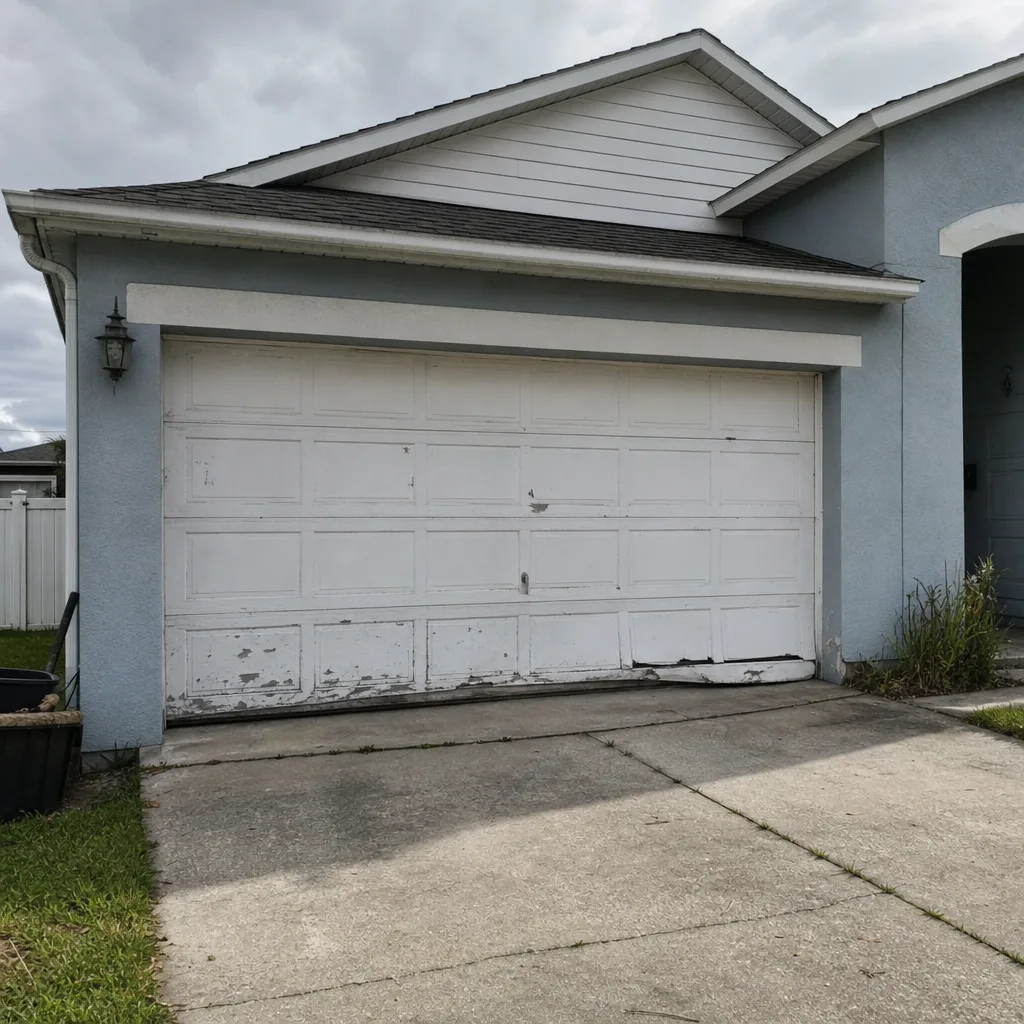 Before
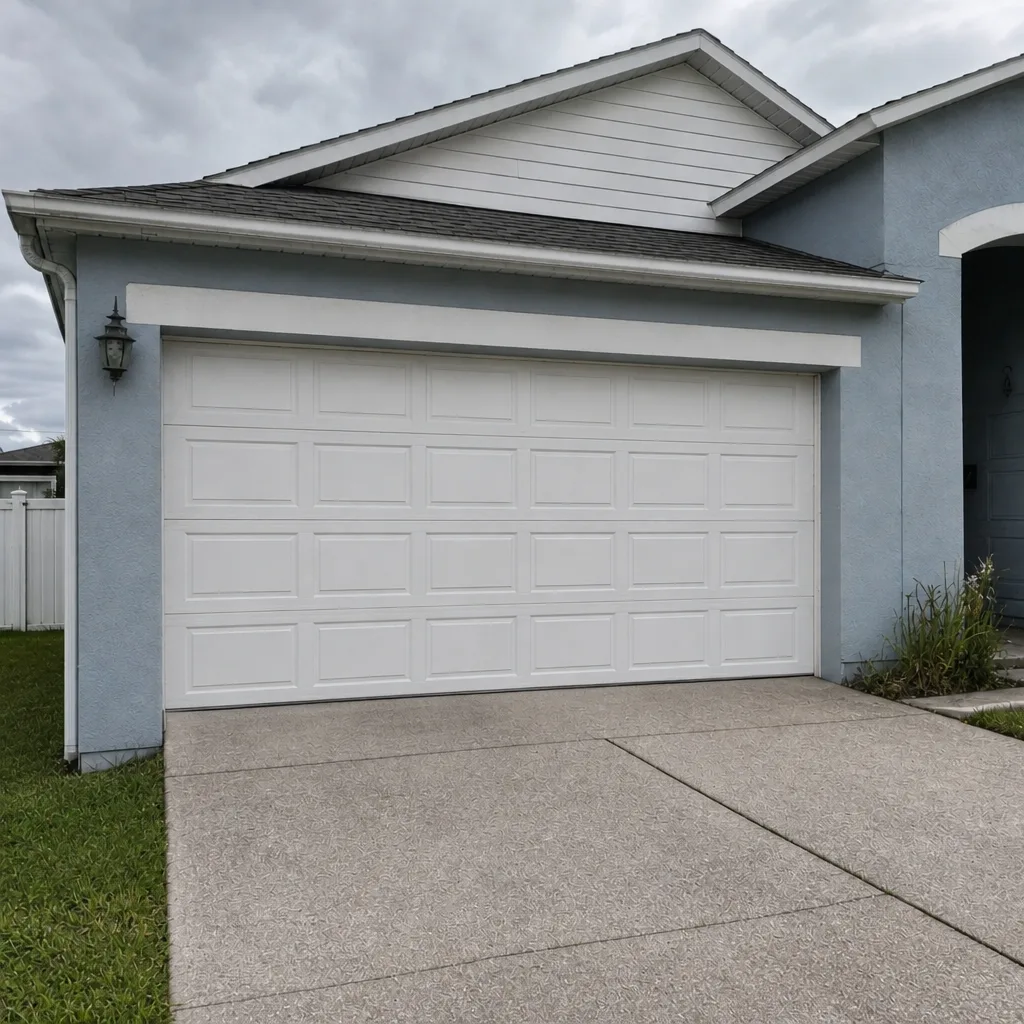 After
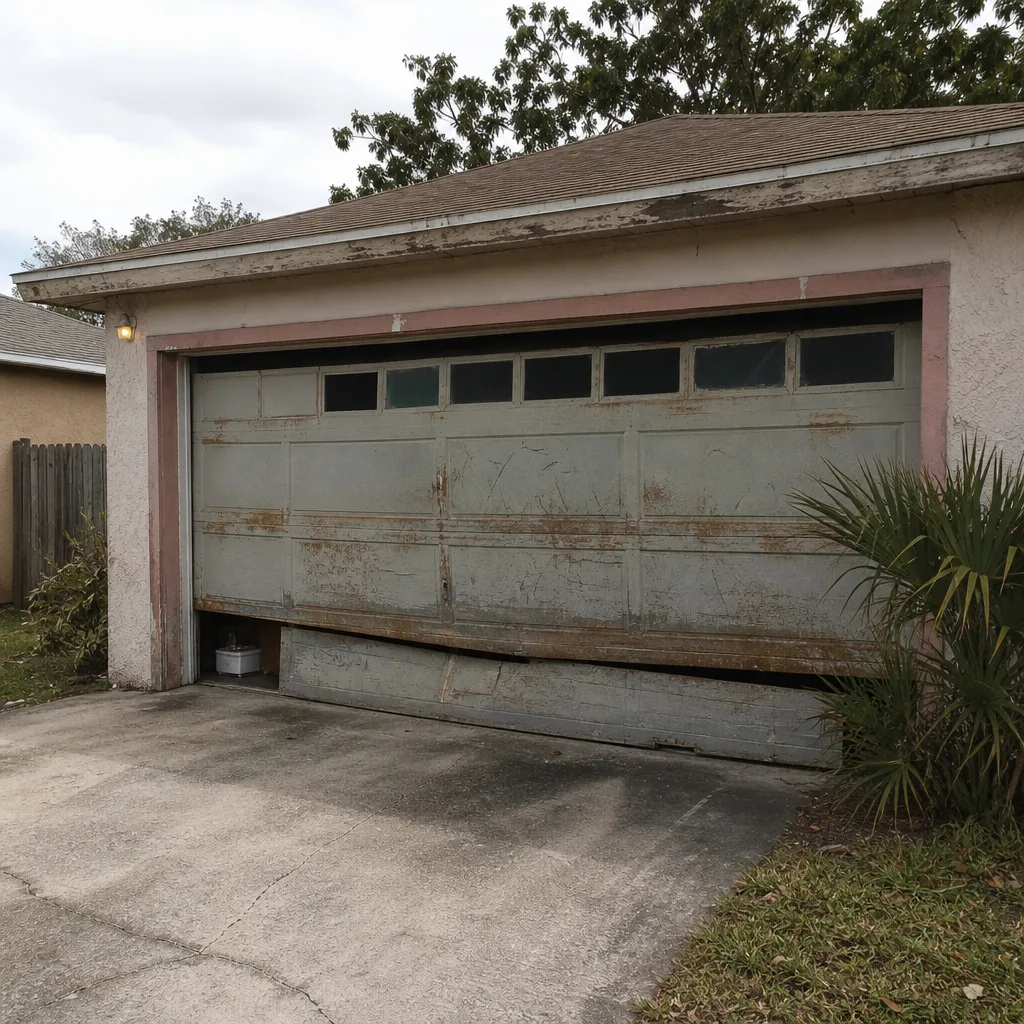 Before
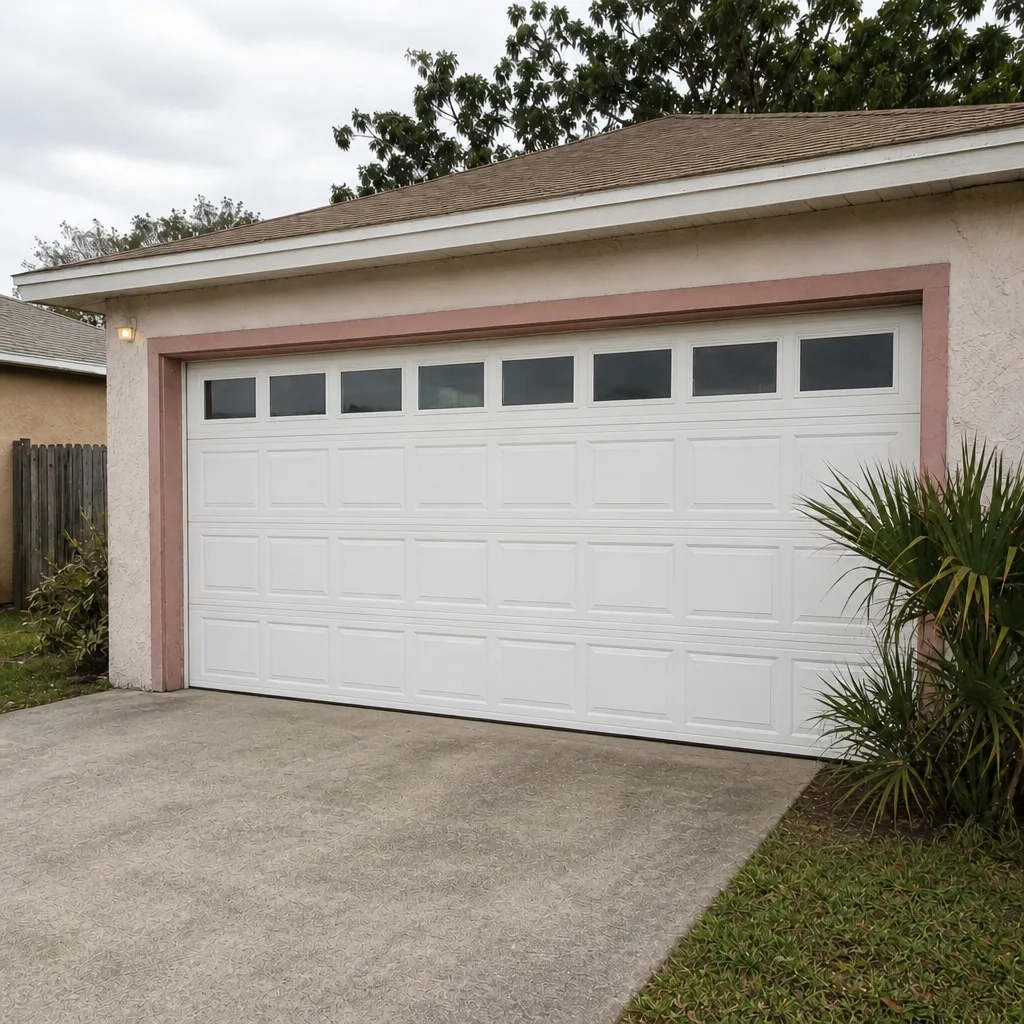 After
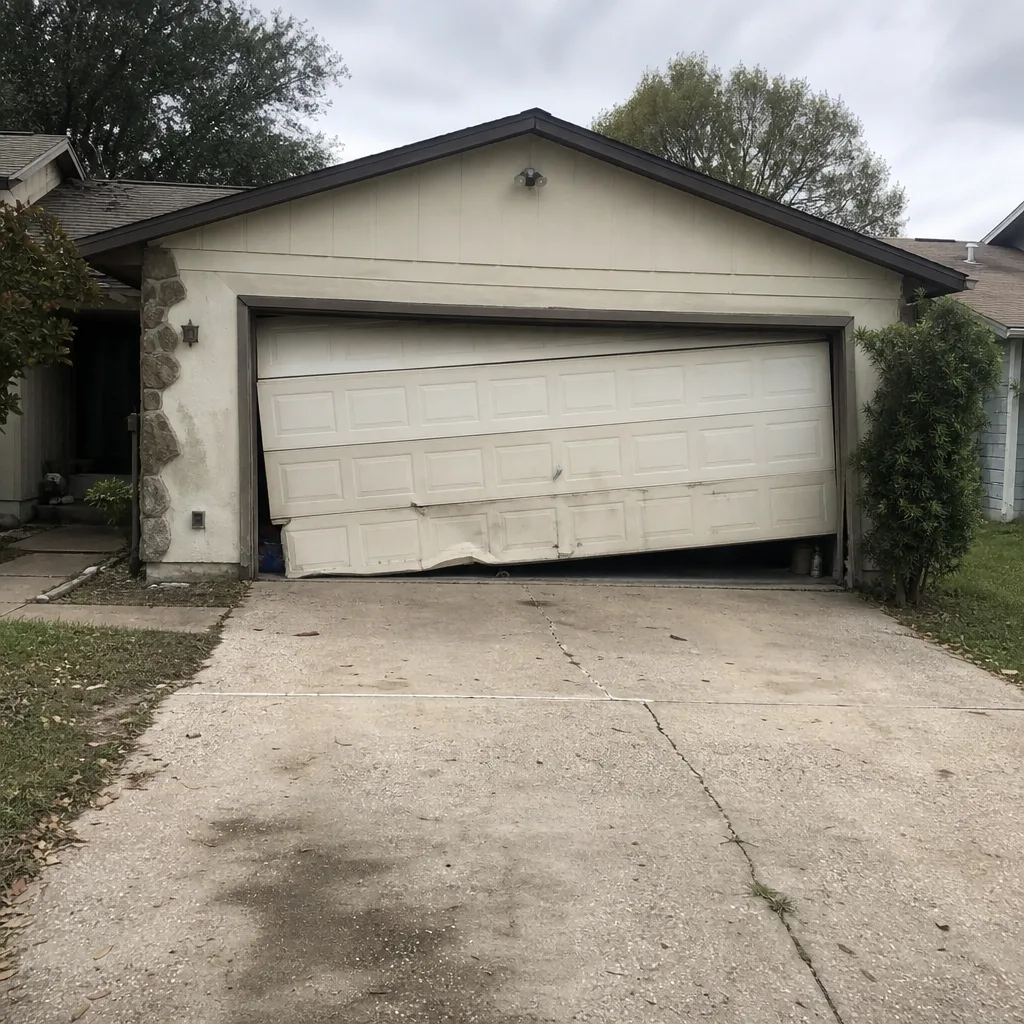 Before
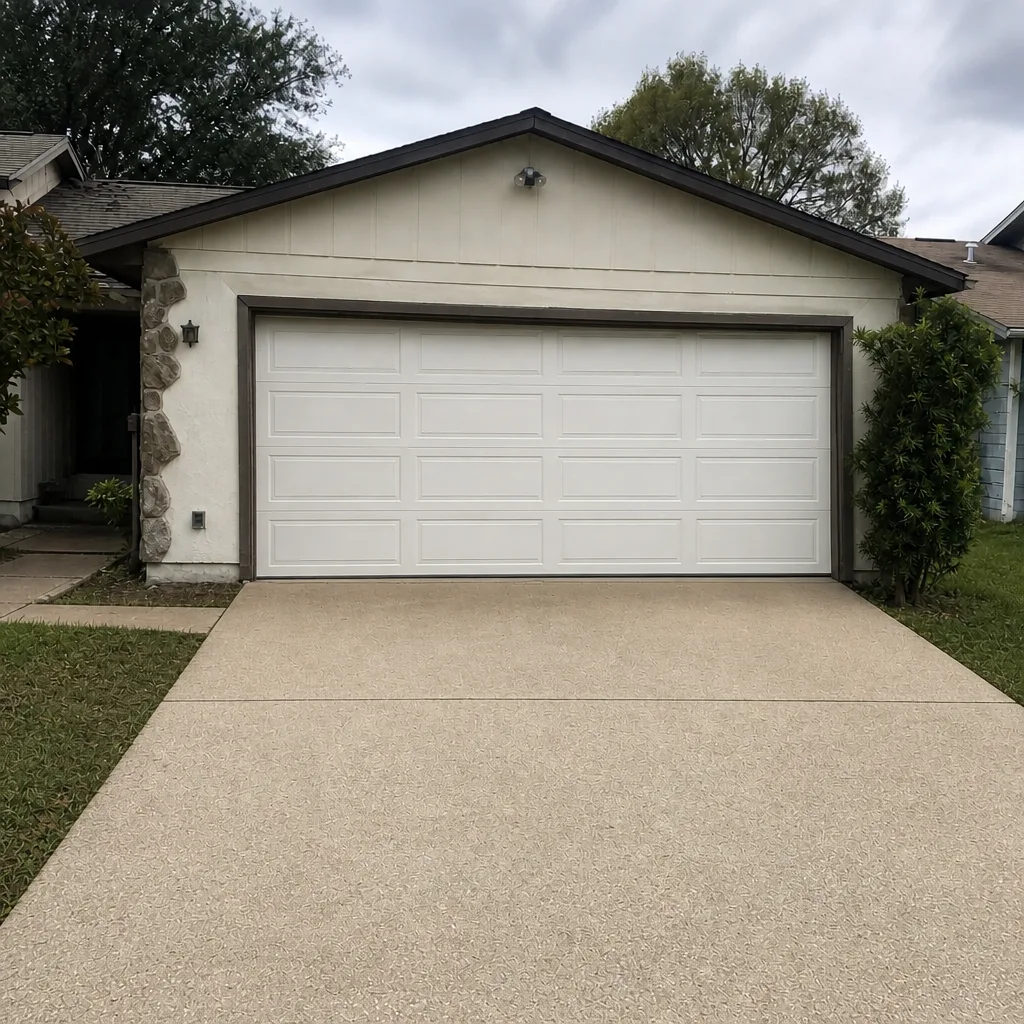 After
When to Call a Professional
Call a professional the moment your troubleshooting lands on springs, cables, or a snapped torsion tube – no exceptions. Also call when the door goes up crooked, binds mid-travel, or comes off-track; when the opener hums without moving; when the door reverses repeatedly after you’ve cleaned the sensors; and whenever you hear the loud bang of a spring failure. For anything on the safe list – sensor alignment, lubrication, track obstruction – you can handle it yourself and save the call. Goodwin Garage Door Repair offers free estimates in Riverview. Our technicians have up to 13 years of experience across repair, opener repair, and installation, and we quote every job before any work begins. Call (855) 473-8424. We answer 24/7. Fast dispatch from 7am to 7pm, Sunday through Friday.
Frequently Asked Questions
Most common Riverview repairs – safety sensor realignment, roller or track service, opener gear replacement, or a single spring swap – are priced by written estimate after a technician inspects the door, because every failure has a different parts and labor picture. Multiple-part repairs cost more than a single-part fix. We give you the written price before we start, so there’s no invoice surprise at the end. Call (855) 473-8424 for a free estimate – estimates are free.
Yes, we offer same-day service for repair and opener calls in Riverview. Our technicians are dispatched Sunday through Friday, 7am to 7pm. If a call comes in outside dispatch hours, we book it into the next opening. For anything involving a broken spring, a snapped cable, or a door that’s come off-track, call right away rather than waiting. Call (855) 473-8424 to schedule a same-day visit.
Pull the emergency release cord hanging from the opener rail, then lift the door by hand. If it lifts smoothly and stays open on its own, the door mechanics are healthy and the problem is the opener. If it’s very heavy or won’t stay up, the springs are the failure point. If it binds or scrapes, the tracks or rollers are damaged. This test takes about a minute and tells you which half of the system to troubleshoot. Call (855) 473-8424 for an exact quote on repair once you know the answer.
Torsion springs typically last somewhere between 7 and 10 years with average use, though Riverview’s heat and humidity tend to shorten that. Springs go through a fixed number of cycles before fatiguing, and the constant heat-exposure inside Florida garages accelerates the metal fatigue. If your door has slowed or gotten noticeably heavier, spring fatigue is the first suspect. A technician can measure the spring’s remaining tension in a few minutes. Call (855) 473-8424 for a free estimate on spring replacement.
Yes, we’re licensed and insured and our technicians have up to 13 years of experience. They work on all eight of the major garage door and opener brands – LiftMaster, Chamberlain, Genie, Clopay, Amarr, Wayne Dalton, Craftsman, and Raynor – so whatever brand is already on your home, we can diagnose it correctly the first time. We’re a single-trade garage door specialist, meaning every call we handle is on a garage door or opener, not a side category. Call (855) 473-8424 for a free estimate.
No. The written estimate is the price. If the diagnostic changes once we see the door – for example, we find a second issue the symptom pointed at – we’ll explain the additional work and give you a revised written price before proceeding. Nothing gets done without your approval. You won’t get an invoice that’s higher than the number you agreed to. Call (855) 473-8424 for a free estimate and a written quote.
The Bottom Line
Most garage door problems in Riverview come down to springs, openers, tracks and rollers, or safety sensors. Learning to match the symptom to the part – a slow door means springs, a hum with no movement means the opener, a crooked door means a broken spring or cable – tells you whether the fix is a five-minute sensor adjustment or a call to a professional. Use the release-and-lift test to separate opener problems from door problems. Handle sensor alignment and lubrication yourself. Never touch spring tension or cable winding. When the symptom points at springs, cables, or the opener drive, get a trained specialist out rather than pressing the button again.
Goodwin Garage Door Repair keeps the focus on one trade: garage doors. Repair, opener repair, and installation, on the brand you already have. Our technicians have up to 13 years of experience, and we work on the eight major brands – LiftMaster, Chamberlain, Genie, Clopay, Amarr, Wayne Dalton, Craftsman, and Raynor – so we’re ready for whatever door is on your home in Riverview. Call (855) 473-8424 for a free estimate. We answer 24/7. Fast dispatch from 7am to 7pm, Sunday through Friday, and we’re closed Saturday. Every price is quoted and agreed before any work starts.
Written by the team at Goodwin Garage Door Repair.