
Last updated November 15, 2026
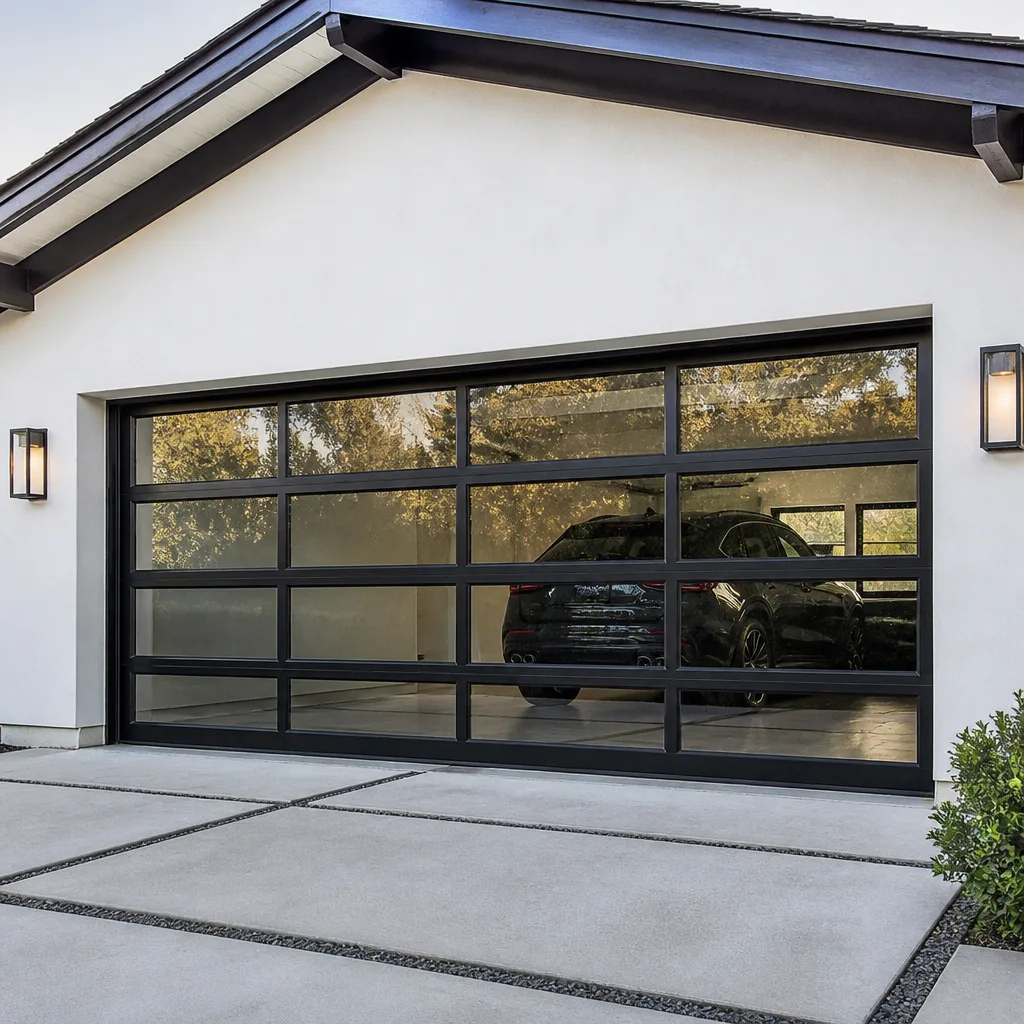 Full-view glass
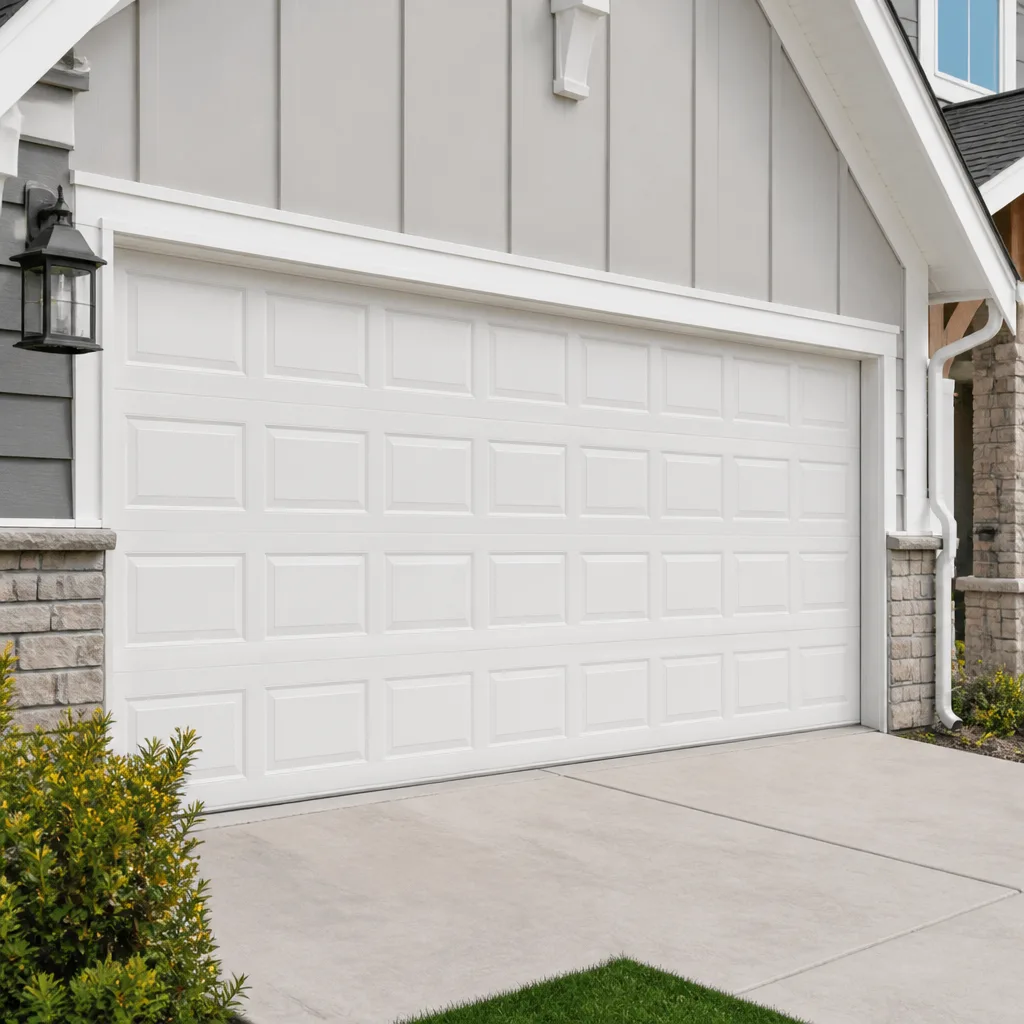 Raised-panel steel
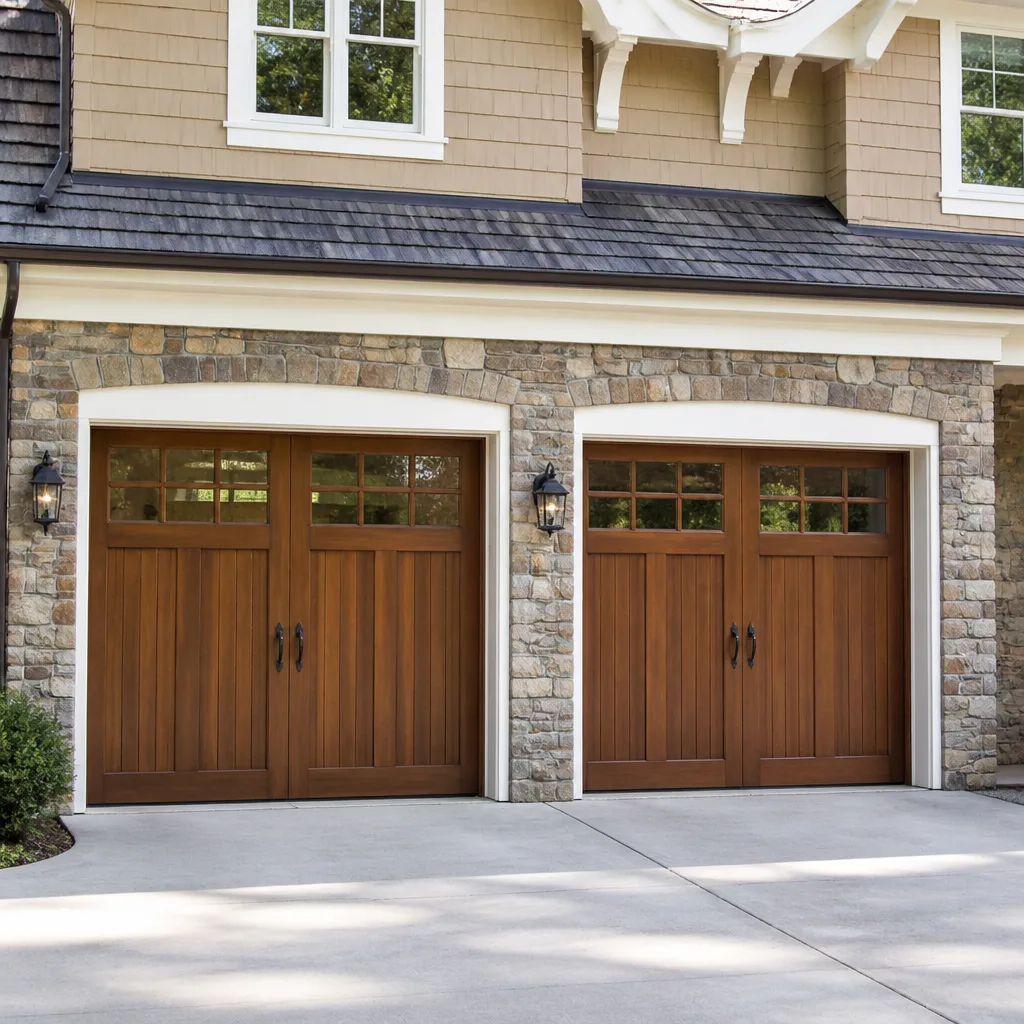 Carriage house
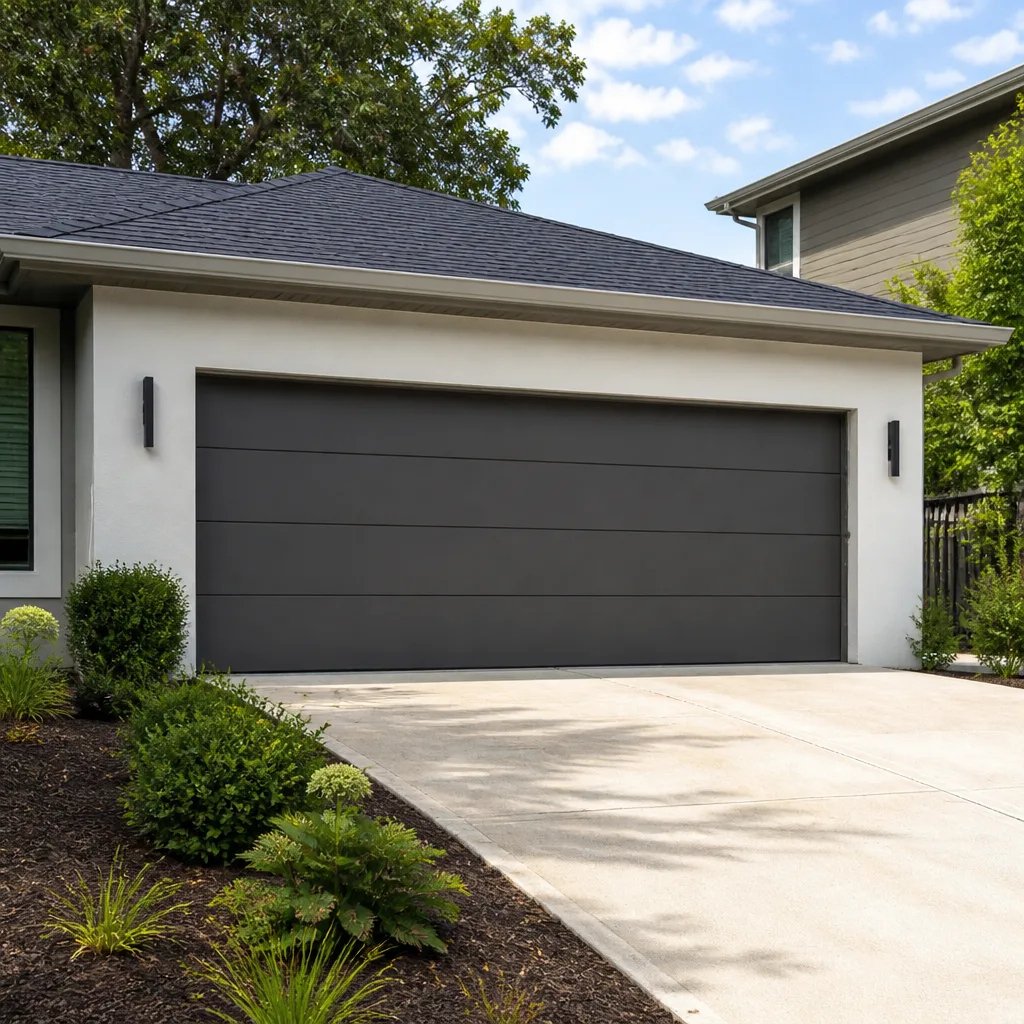 Modern flush
 LiftMaster openers
 Chamberlain openers
Full 25-point door and opener safety check with every visit - springs, cables, rollers, tracks, and your LiftMaster or Chamberlain opener included
You get a price before we start. It does not change when the pro arrives.
Get your free estimateGarage Door Warning Signs: A Riverview Homeowner’s Reference Guide
A garage door rarely fails without warning. It tells you for weeks through sounds that change, timing that drifts, and rust patterns most people are trained to ignore. The difference between a small repair and a much bigger emergency is usually about a month of dismissed symptoms. In Riverview, where humid summers and heavy rain put constant stress on cables, springs and seals, those early clues are easy to miss. This guide shows you what to listen for, what to look at, and which symptoms mean call now versus watch closely.
Quick Answer
The most reliable early warning signs of garage door trouble in Riverview are a door that has slowed down, grinding noises that come from a specific spot (opener head, track, or torsion bar), rust on cables or springs that looks active rather than cosmetic, an opener that fails only some of the time, and daylight or dampness showing at the weatherstrip. Catching these early usually means a simple repair instead of a full-system emergency. If you notice two or more at once, have the door looked at before it stops working entirely.
Styles & brands we work with
- Raised-panel steel
- Carriage house
- Modern flush
- Full-view glass
- LiftMaster openers
- Chamberlain openers
Table of Contents
- The Door-Speed Test: Your First and Best Indicator
- How to Read What Your Door Is Telling You Through Sound
- Reading Rust on Cables and Springs in Florida Humidity
- Why Intermittent Opener Failure Is Almost Never the Opener
- The Gap Test: Weatherstrip and Threshold Seals
- The Five-Minute Visual Walkthrough
- Which Warning Signs Are Urgent and Which Can Wait
The Door-Speed Test: Your First and Best Indicator
A garage door that has slowed down is the single most useful early warning you can detect without tools. Spring fatigue doesn’t happen overnight. Torsion springs lose tension gradually, and the door’s travel time stretches by fractions of a second over weeks until one day it can’t lift at all. You can measure this yourself with nothing but a phone.
- Stand inside the garage with your phone’s stopwatch ready.
- Press the wall button or remote and start the timer the moment the door begins to move.
- Stop the timer the instant the door reaches the fully open position.
- Write the number down. Do this three times and average it.
- Repeat the same test once a month and compare notes.
A consistent time is healthy. A time that creeps up by a second or more over a few months points toward spring fatigue. That’s a good moment to have the door looked at, because a tired spring puts extra load on the opener, the cables and the rollers all at once. In our experience, the doors we see in Riverview that fail suddenly almost always had a slower travel time for weeks beforehand. Nobody measured it, so nobody knew.
One caution: the speed test is safe because you’re standing clear of the moving door. Never try to test springs by hand or adjust them yourself. Torsion springs and the cables attached to them are under extreme tension and can cause serious injury if handled without the right tools and training. A trained technician should handle anything beyond watching and timing.
How to Read What Your Door Is Telling You Through Sound
Where a noise comes from points to what’s wrong. This is the part most warning-sign lists miss. “Loud noise” tells you nothing useful. “Grinding at the opener head” tells you a great deal. Here’s how to separate them.
- Grinding or whining at the opener head: The motor unit sits above the door on the ceiling rail. Noise from inside that housing usually points to gear wear or a failing drive mechanism. This is an opener problem, not a door problem. It’s the kind of thing a dedicated garage door opener repair visit addresses, and it’s worth catching before the opener strips itself out completely.
- Squealing, scraping or rumbling from the track: The vertical and horizontal tracks carry the rollers. Noise here usually means dry or worn rollers, a bent track section, or a roller that has come loose from its hinge. Left alone, a bad roller gouges the track, which turns a small fix into a bigger one.
- Popping, banging or a loud snap near the torsion bar: The torsion bar runs across the top of the door inside the garage, and the springs are wound onto it. A sharp popping sound from this area is the sound of a spring under load doing something it shouldn’t. Stop using the door. This is the one sound you don’t investigate yourself. Call a trained professional.
- A single metallic clunk when the door starts or stops: Often a loose hinge or a worn bearing plate. Annoying but rarely urgent on its own.
Do this once: stand in the middle of the garage with the lights off and just listen while someone runs the door. You’ll hear which direction the sound comes from. That single minute of listening puts you ahead of most homeowners when the technician arrives, and it makes the diagnosis faster.
Reading Rust on Cables and Springs in Florida Humidity
Rust is normal in Riverview’s humid air, but not all rust means the same thing. The difference between harmless surface oxidation and an active failure comes down to texture, location and spread.
Surface oxidation looks like a dull brown haze or a thin powdery film that wipes off with a thumb. On the outside of a spring coil or the flat face of a cable, this is cosmetic. The metal underneath is intact. This is what most garage hardware in Riverview looks like after a few years of summer humidity, and it’s not a reason to panic.
Active corrosion looks different. You’ll see flaking, pitting, or rust that has crept into the gaps of a spring coil. On a cable, look at the braided strands near the drum at the top corner of the door. If individual strands look rusted through, or if you can see broken wires in the braid, the cable is compromised. That’s not cosmetic and it’s not safe to ignore. Cables carry the entire weight of the door alongside the springs, and a rusted cable can snap.
A practical check: run a dry cloth along each cable from the bottom bracket up to the drum. If the cloth snags on broken strands, stop. Don’t run the door. Contact a professional about garage door repair. A cable is one of the least expensive components on the whole system to replace, but a snapped cable lets the door come down crooked and can damage panels, tracks and the opener all at once.
Springs are the other place to look. A torsion spring should be smooth along its coils. Visible gaps, a stretched section, or rust eating into the wire itself are signs that the spring is closer to the end of its life than you’d guess.
Why Intermittent Opener Failure Is Almost Never the Opener
When a door opens fine one day and refuses the next, most people blame the opener. It’s the visible electronic part, and it’s the thing that beeps and lights up. In our experience, though, a door that fails some of the time and works the rest is rarely an opener problem. It’s usually mechanical resistance the opener can barely overcome, and on the days it wins it looks fine.
Think of it this way. The opener’s job is to lift a door that’s already balanced. When the springs are slightly tired, or a roller is dragging, or a track has a small bend, the door needs a bit more force. The opener manages it most days. On a cold morning (yes, even Riverview gets a few) or after a week of humidity swells the wood or stiffens the seals, the extra drag wins and the door reverses. Nothing is wrong with the opener. It’s doing exactly what it’s supposed to do, which is refuse to force a door that’s binding.
Common intermittent symptoms and what they often mean:
- Reverses partway up, then works on the second try: friction somewhere in the door travel, often rollers or a slightly misaligned track.
- Remote works from the driveway but not from the street: that’s a signal or battery issue, not mechanical. A simple fix.
- Works from the wall button but not the remote: same, a remote or receiver issue.
- Door goes up but won’t come down without holding the button: the safety sensors are blocked or misaligned, or the door is binding on the way down.
The value of diagnosing this correctly is that you don’t replace a working opener. A technician who checks the balance and travel of the door before touching the opener will usually find the real culprit in a few minutes.
The Gap Test: Weatherstrip and Threshold Seals
Seals fail quietly. There’s no noise and no drama, just a slowly widening gap that lets in water, humid air and pests. In Riverview’s rainy season, a failed bottom seal is more than a draft problem. It’s a moisture path into your garage floor and the wall base around it.
The gap test is simple:
- Wait until the garage is dark inside (close the door, turn off lights, and do it at dusk or with the interior lights off).
- Stand outside and look at the bottom edge of the closed door.
- Any line of light under the door means the bottom seal isn’t sealing.
- Repeat along the sides and top, checking for light at the frame.
- Run a hand along the bottom seal while the door is closed. It should feel flexible, not brittle or rock hard.
Light showing under the door tells you the threshold or the bottom seal has flattened. Light at the sides means the frame weatherstrip has shrunk or torn. In a rainy climate, water follows the same path the light does. It wicks under the door, sits on the slab, and raises humidity around the base of the walls. Over a couple of seasons, that shows up as paint peeling, baseboard swelling, or a persistent musty smell in the garage.
Bottom seals and frame weatherstrip are cheap, quick replacements. The trick is checking before the rainy season, not after you notice water on the floor. If you’re in Riverview and the door is over a few years old, run the gap test twice a year, ideally around the change of seasons.
The Five-Minute Visual Walkthrough
You don’t need tools to do a useful check of your garage door. Five minutes a month covers most of what matters. Work from the bottom of the door to the top, then check the opener.
- Bottom seal and threshold: look for light gaps, cracks, or a seal that’s flattened to a hard strip.
- Bottom brackets and cables: check for rust through the braid, broken strands, or cables that look slack. Never touch or loosen a cable under tension.
- Panel faces: look for dents, bowing, or separation at the seams. A bowed panel puts uneven load on the tracks.
- Hinges and rollers: look for loose screws, rollers that wobble in their hinges, or rollers worn flat on one side.
- Tracks: look for bends, dents, or debris inside the channel. Tracks should be straight and clear.
- Torsion bar and springs: look for rust eating into the coils, visible gaps, or a stretched section. Don’t touch, just look.
- Opener head and rail: listen for grinding while the door runs, and check that the rail is straight and the chain or belt isn’t sagging.
- Safety sensors: the two small units near the floor at each side should have their lights on and be aimed at each other.
Do this on the same day each month so it becomes a habit. It takes less time than most people spend looking for the remote.
Which Warning Signs Are Urgent and Which Can Wait
Not every symptom needs a same-day call. Knowing which is which helps you avoid panic and avoid waiting too long.
Call now, and stop using the door:
- A snapping or popping sound from the torsion bar followed by a door that won’t lift.
- A cable that has visibly snapped or come off its drum.
- A door that hangs crooked, with one side higher than the other.
- A door that won’t stay up on its own when you lift it partway by hand.
These symptoms mean the door’s weight is no longer safely held. Don’t try to open or close it. Don’t attempt a repair. Get a professional out. We answer 24/7 and offer fast dispatch from 7am to 7pm.
Call within the week:
- Grinding from the opener head.
- A door that has slowed noticeably on the speed test.
- An opener that reverses partway, then works on the second try.
- Rust that’s eating into cables or spring coils.
Watch and schedule:
- Minor cosmetic surface rust.
- A single metallic clunk at start or stop.
- A light gap under the bottom seal, before the rainy season.
Common Mistakes to Avoid
- Judging the door only by whether it opens. A door that opens is not automatically a healthy door. The speed test and the visual walkthrough catch trouble the open/close test misses.
- Replacing the opener when the door is binding. If the door reverses intermittently, check the door’s balance and travel before spending money on a new opener. The opener is usually innocent.
- Lubricating a noisy track with the wrong product. Using a heavy grease on rollers and tracks attracts grit and makes the problem worse. Ask before you spray.
- Ignoring a light gap under the door. In Riverview, a bottom seal gap becomes a moisture trail during the rainy season. Seal it before the wet weather arrives, not after.
- Testing springs or cables by hand. Torsion springs and cables are under extreme tension and can cause serious injury. Look, listen, and call a trained technician for anything that requires touching them.
- Running a door that’s hanging crooked. A door that’s off balance can drop or swing. Stop using it and get it looked at.
- Waiting for a snap before scheduling. The whole point of reading warning signs is to fix a small problem before it becomes an emergency. A sloped travel time is the door asking for attention.
See the difference
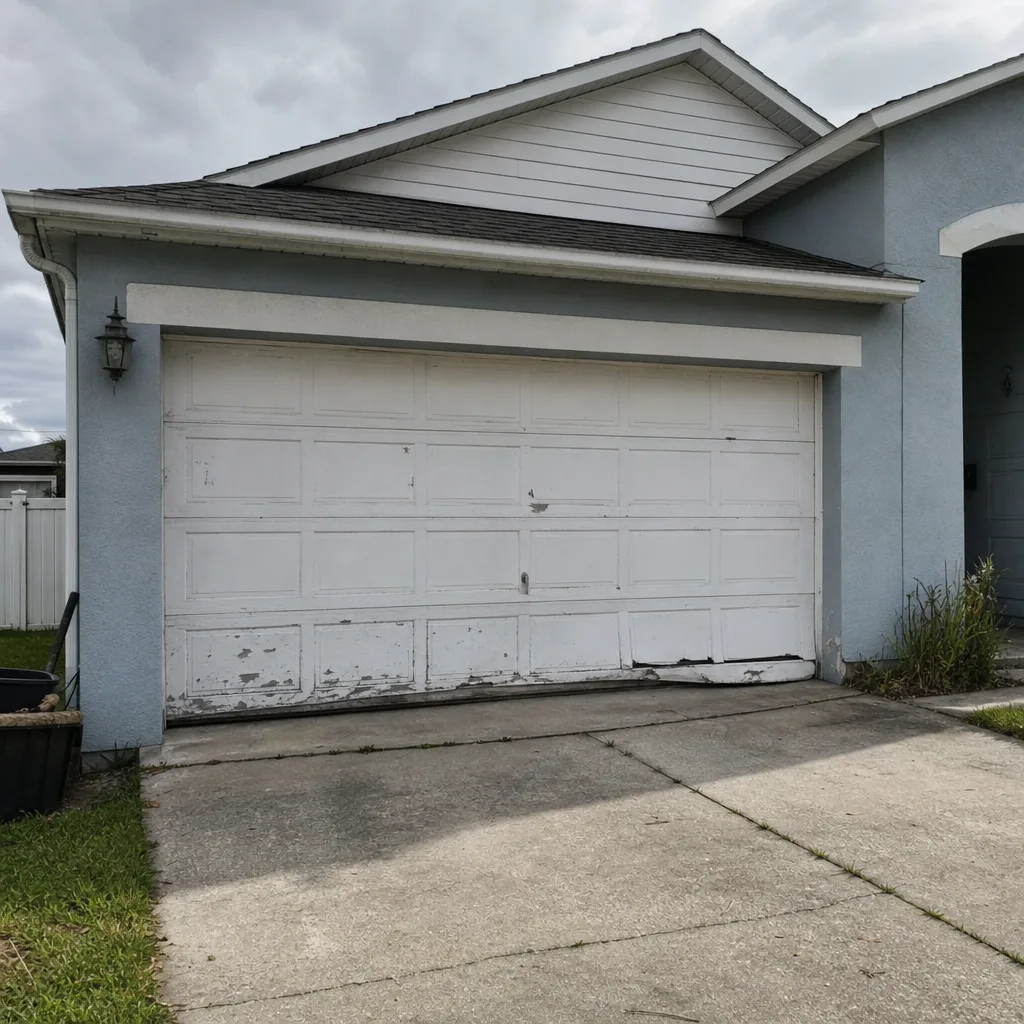 Before
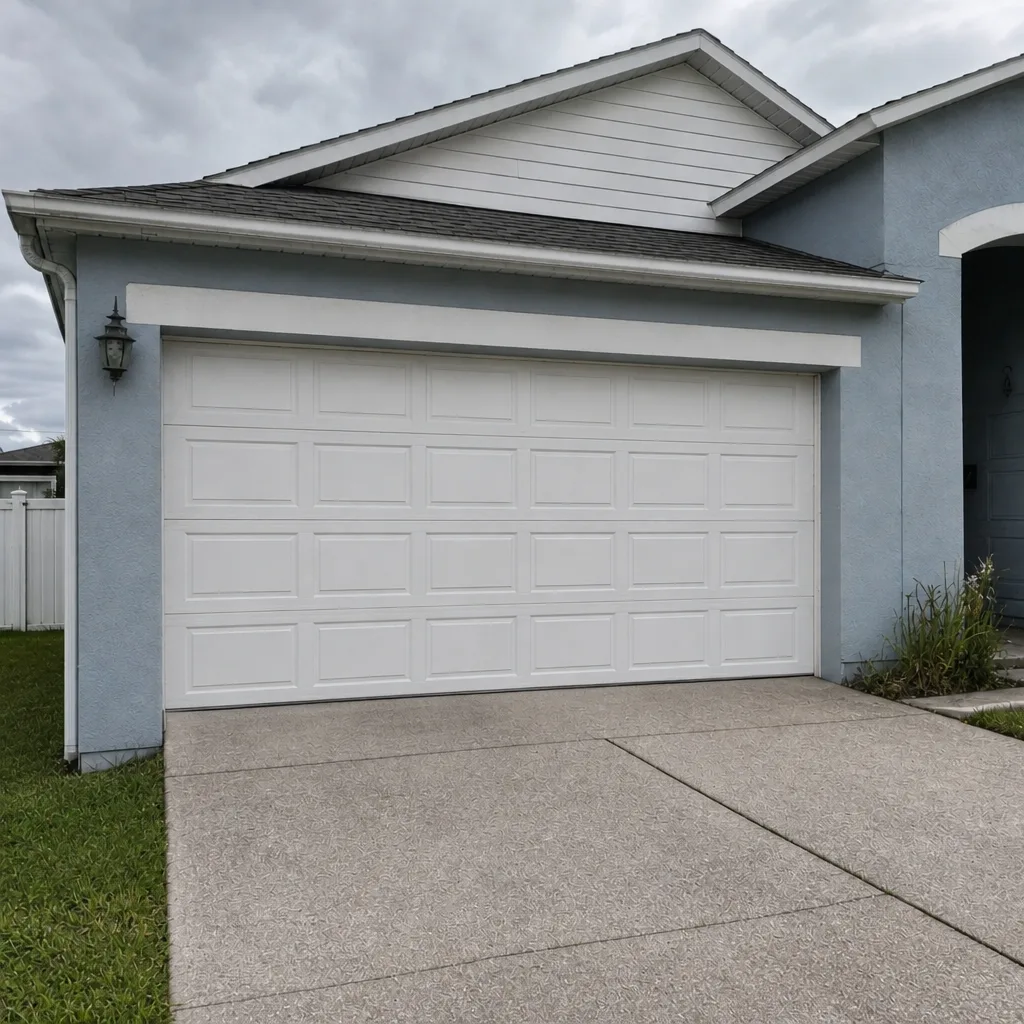 After
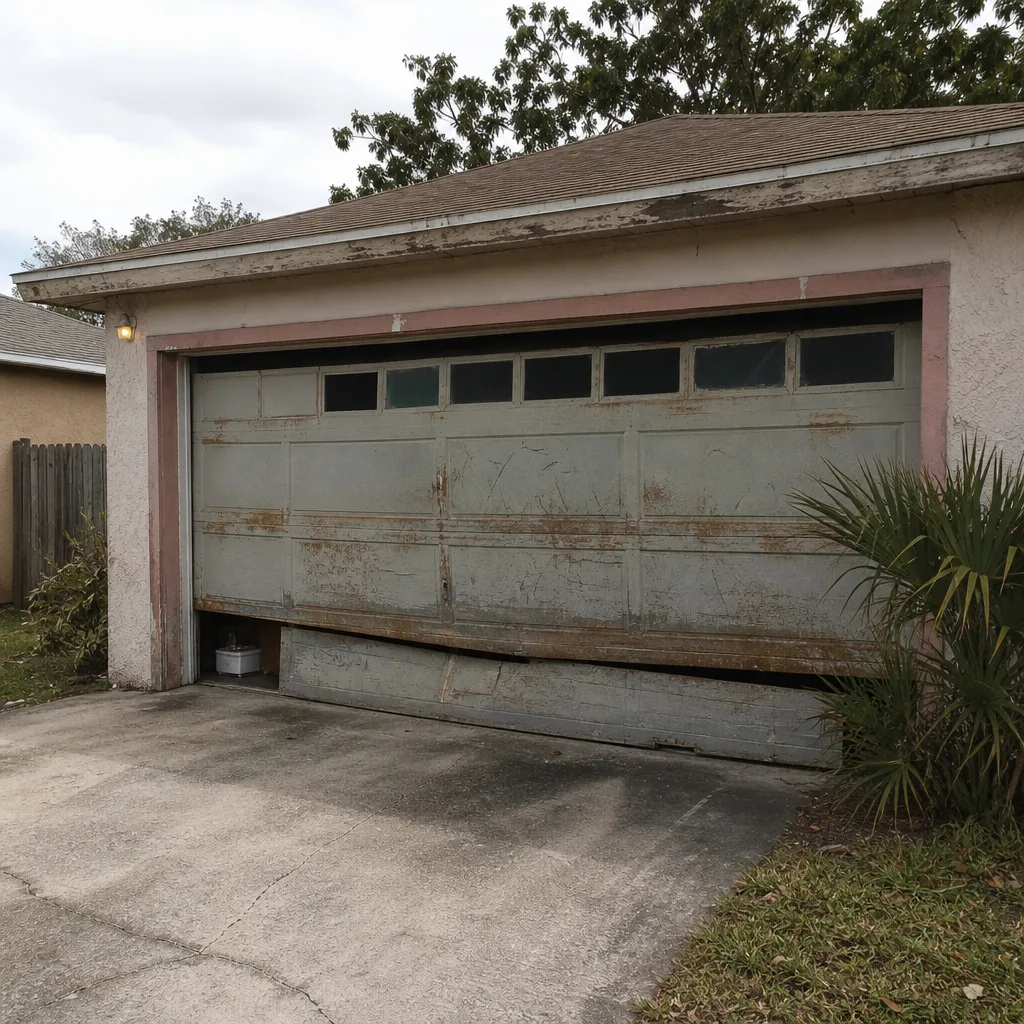 Before
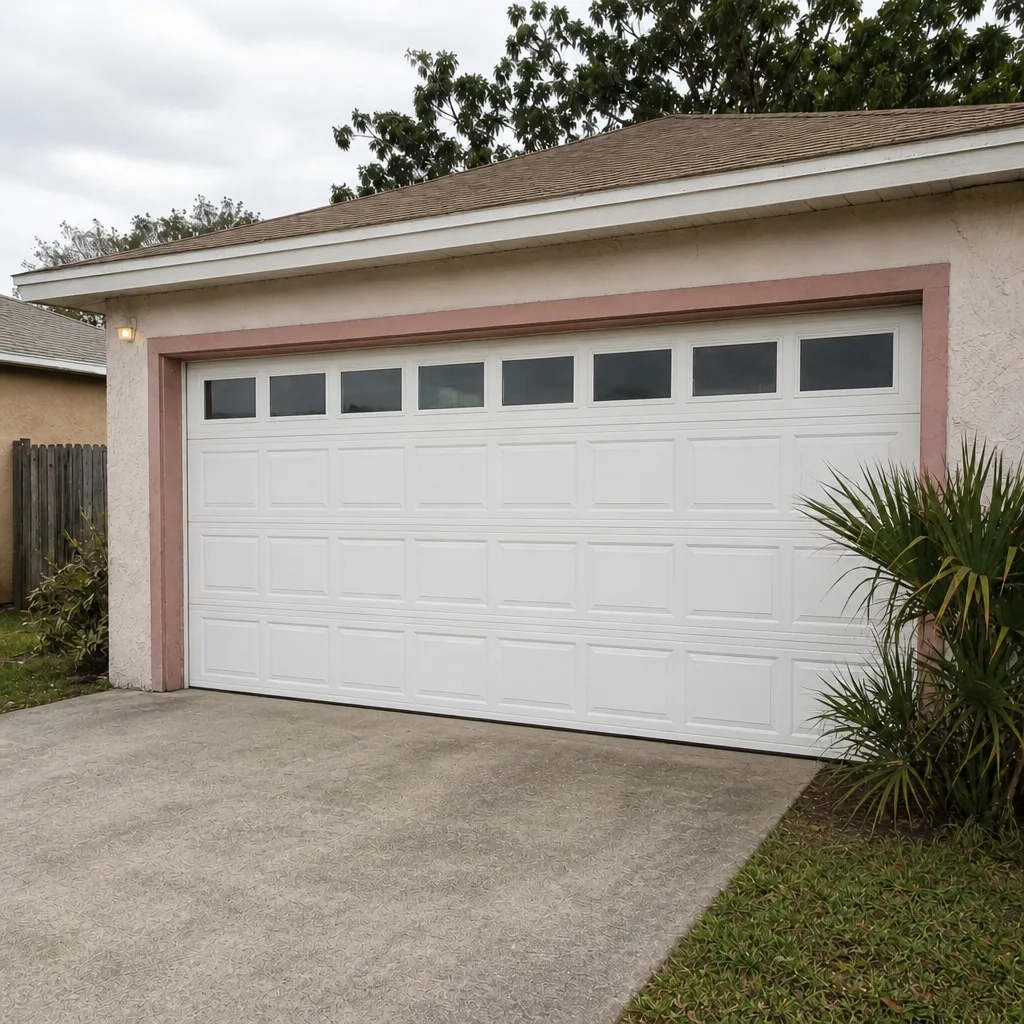 After
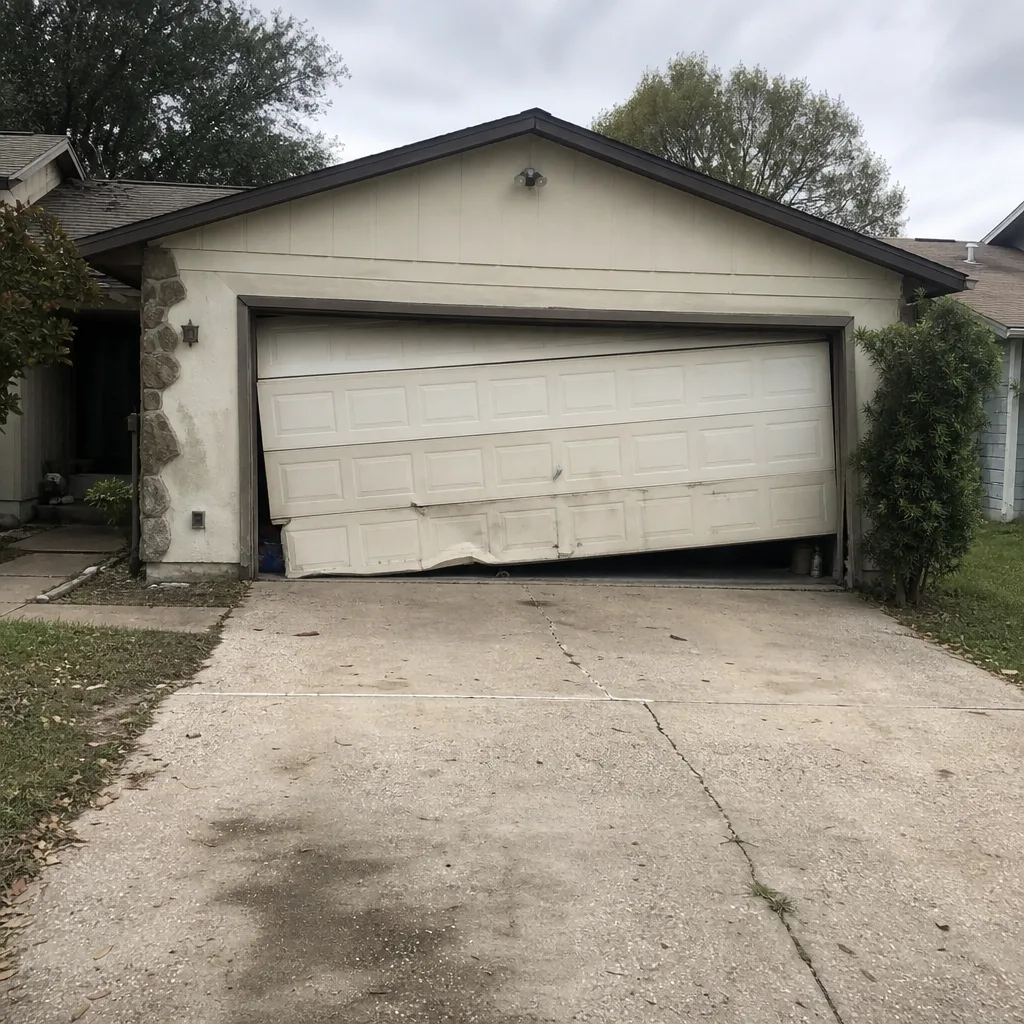 Before
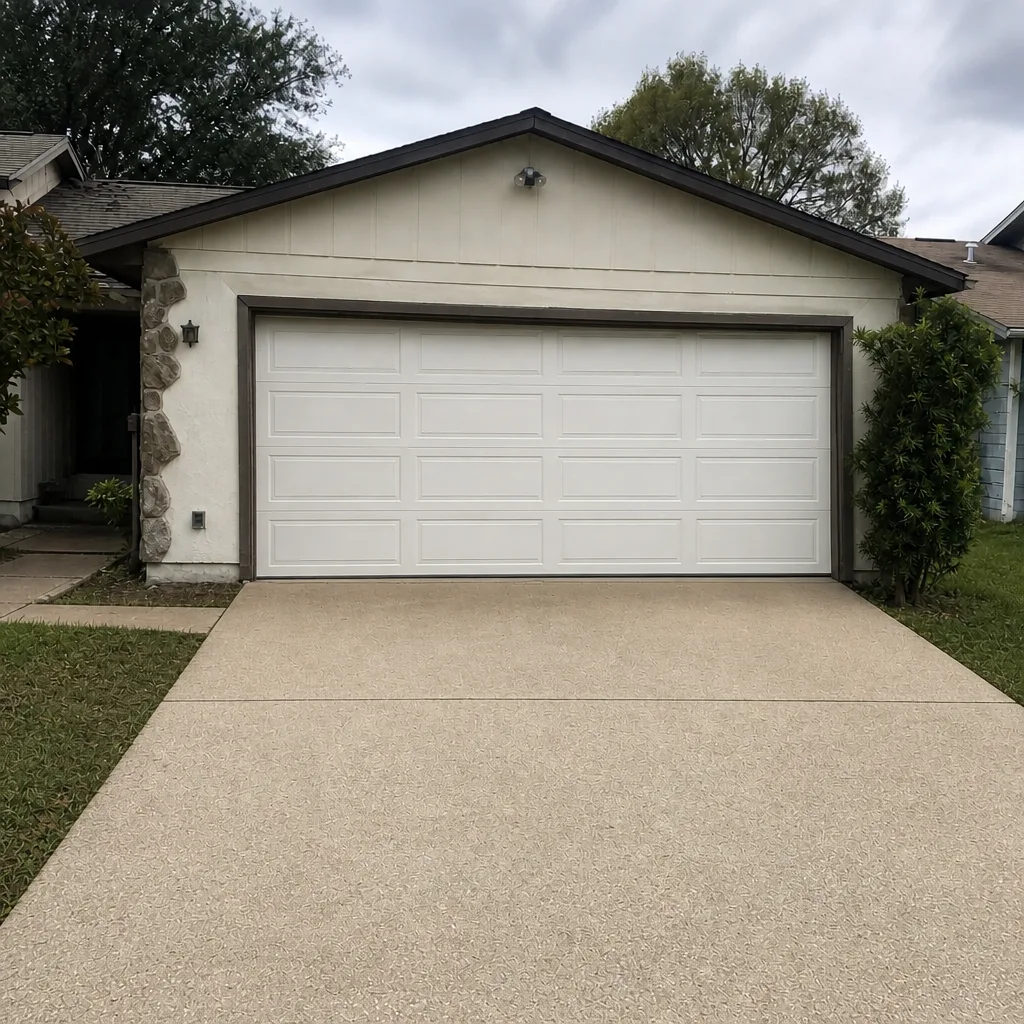 After
When to Call a Professional
Call a professional whenever the symptom involves springs, cables, or anything that requires touching the tensioned parts of the system. That means a snapping sound from the torsion bar, a cable that looks cracked or has broken strands, a door hanging crooked, or a door that won’t stay up on its own. These are safety items, not maintenance items. For the less urgent signs, grinding, slow travel, intermittent reversing, and light gaps, a scheduled visit is the right move. A technician can diagnose the whole system at once and tell you whether the fix is small or the door needs more attention. Goodwin Garage Door Repair offers free estimates in Riverview. Call (855) 473-8424. We answer 24/7 and provide fast dispatch from 7am to 7pm, Sunday through Friday.
Frequently Asked Questions
The most common warning signs we see in Riverview are a door that has slowed down, grinding at the opener head, rust eating into cables or springs, and light showing under the bottom seal. A door that reverses partway and then works on the second try is another frequent one. If you notice two or more of these together, have the door looked at soon.
A failing spring usually shows up as a door that gets slower over weeks, not one that stops without warning. Use the phone-stopwatch speed test once a month and watch for a time that creeps up. Rust eating into the coil, visible gaps between coils, or a stretched section are also signs. Never test a spring by hand because they’re under extreme tension.
Intermittent door failure is almost always mechanical resistance, not a bad opener. A tired spring, a dragging roller, or a slightly bent track makes the door harder to lift, and the opener fails only when the extra load tips it over the edge. The right fix is to have the door’s balance and travel checked before replacing the opener.
Only if it’s active corrosion, not surface haze. Thin powdery rust that wipes off is normal in Florida humidity. Rust that’s flaking, pitting, or showing broken strands in a cable is a sign of failure and needs professional attention. Don’t handle rusted cables or springs yourself.
Check the bottom seal and frame weatherstrip twice a year, ideally before the rainy season. The gap test (look for a line of light under the closed door) takes a minute. A light gap means water can get in, and in a rainy climate that leads to moisture problems around the garage floor and walls. Replace seals as soon as they fail.
Call right away if you hear a snapping or popping sound from the torsion bar, see a snapped cable, notice the door hanging crooked, or find that the door won’t stay up on its own. For grinding, slow travel, intermittent reversing or light gaps, a scheduled visit is fine. Call (855) 473-8424. We answer 24/7 and provide fast dispatch from 7am to 7pm, Sunday through Friday.
The Bottom Line
Your garage door warns you before it fails. The earliest signs are easy to catch with a timer, a listening test, a rust check around cables and springs, and the gap test for seals. A door that slows down over weeks, a grinding noise from a specific component, or a harmless-looking rust pattern that’s actually active corrosion each point to a fixable problem. Catching them early is the whole game. If you’re in Riverview and want a second opinion on what you’re seeing, we work on the brand you already have and give you a clear diagnosis before any work starts. Call (855) 473-8424 for a free estimate.
Written by the team at Goodwin Garage Door Repair.