
Last updated November 15, 2026
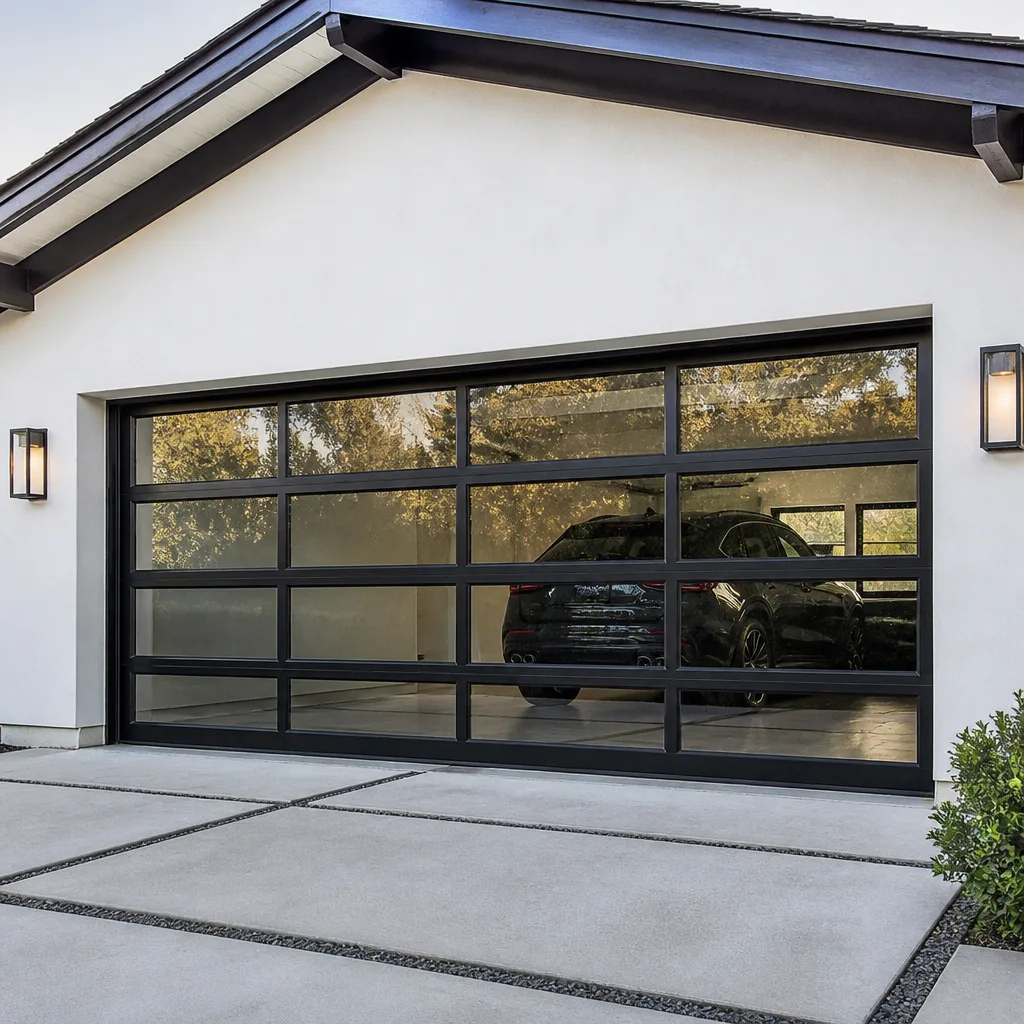 Full-view glass
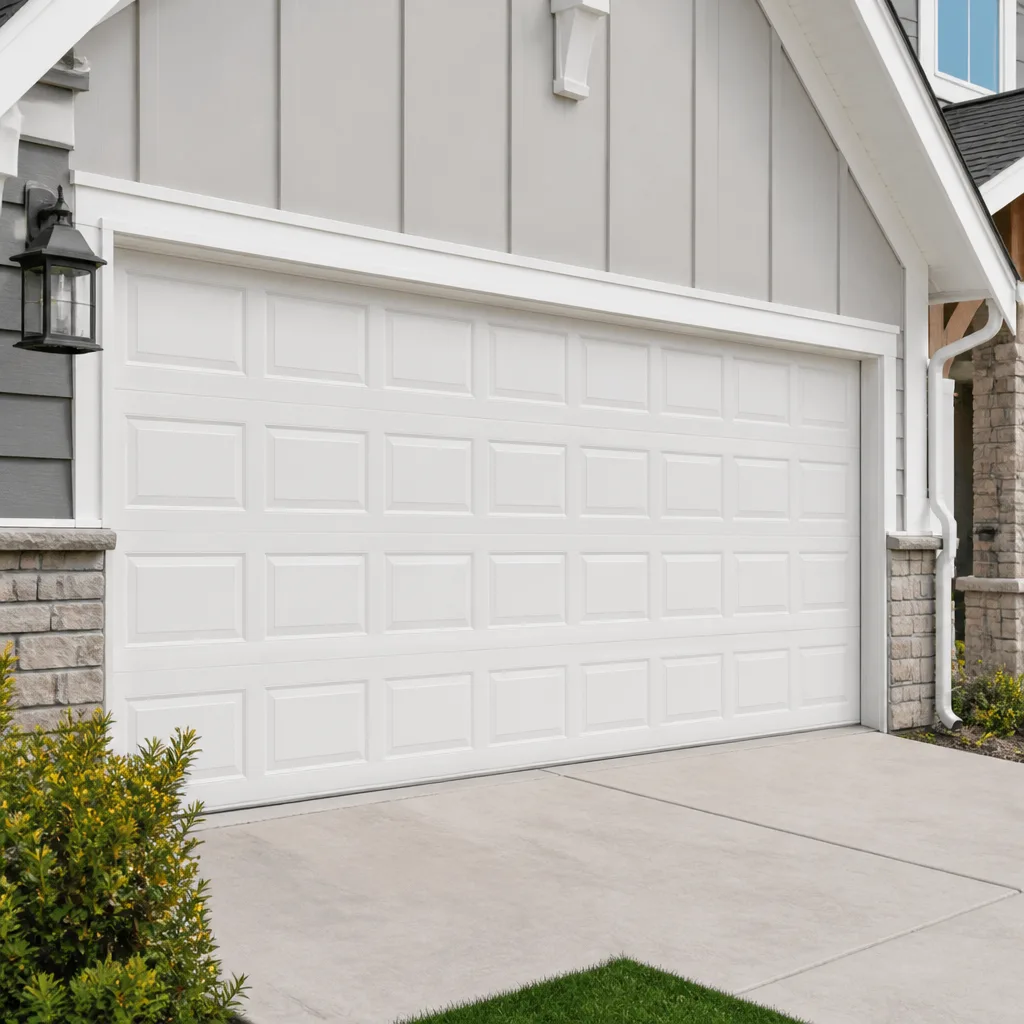 Raised-panel steel
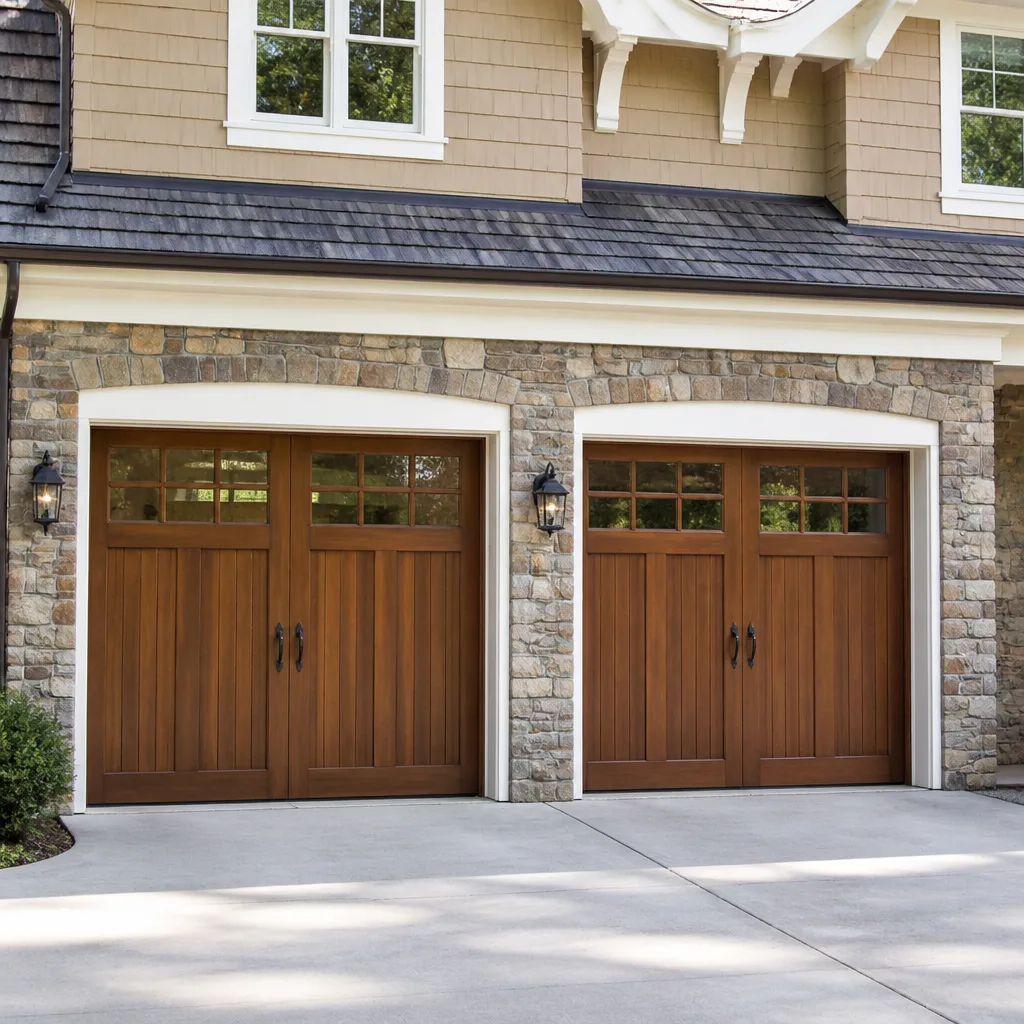 Carriage house
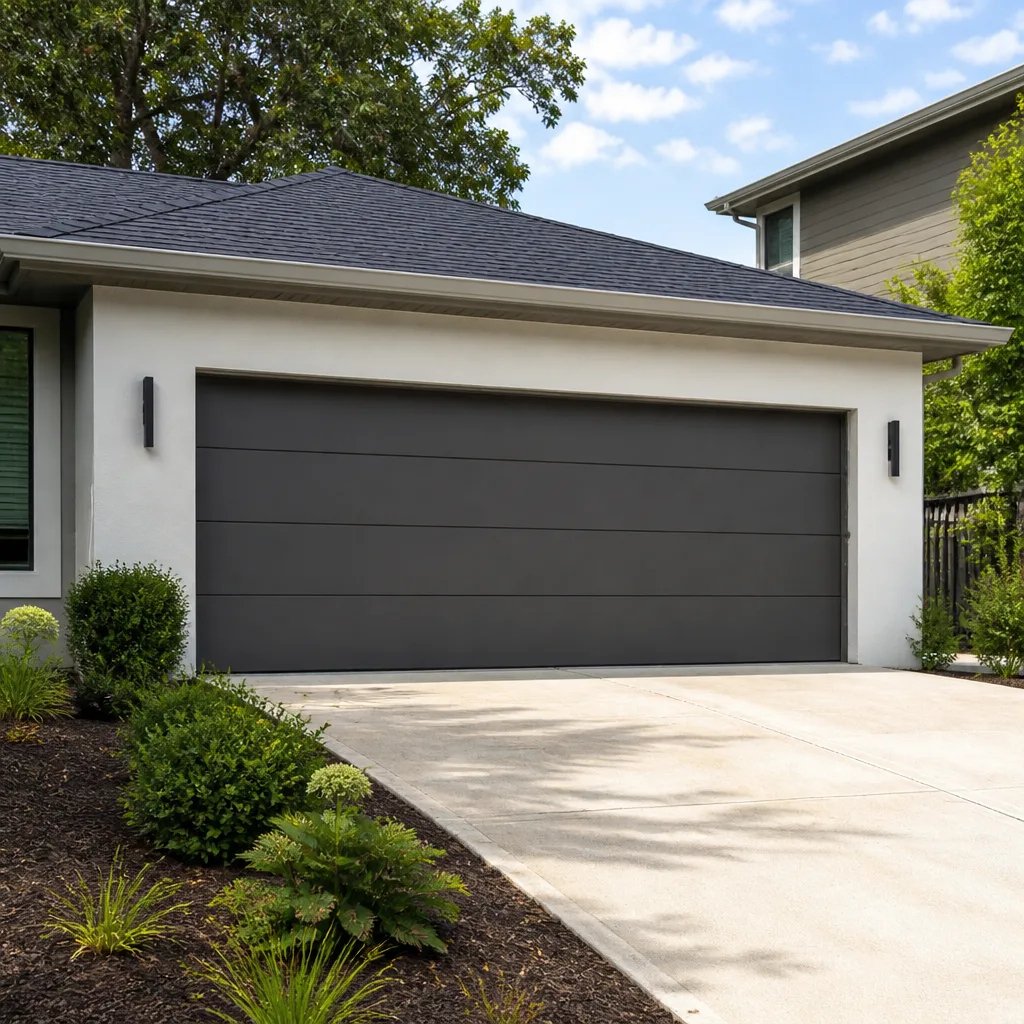 Modern flush
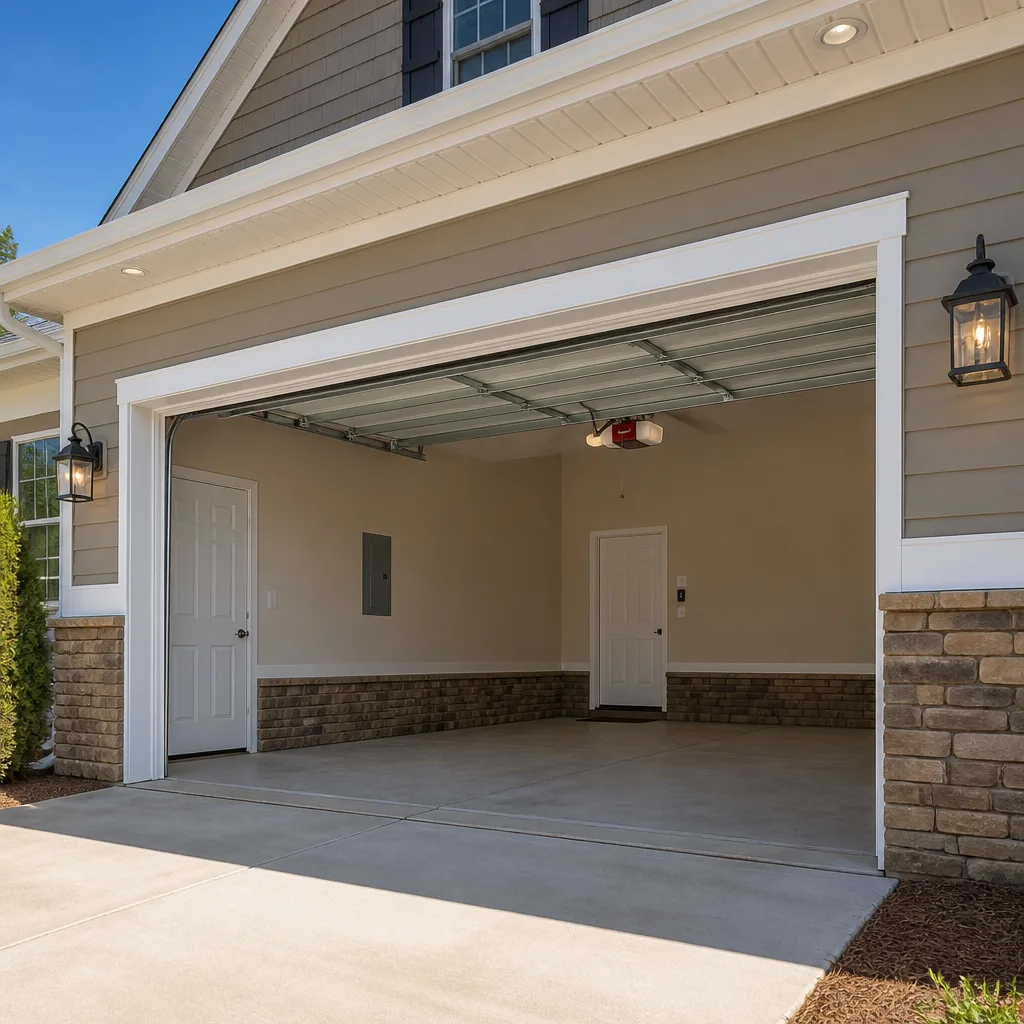 LiftMaster openers
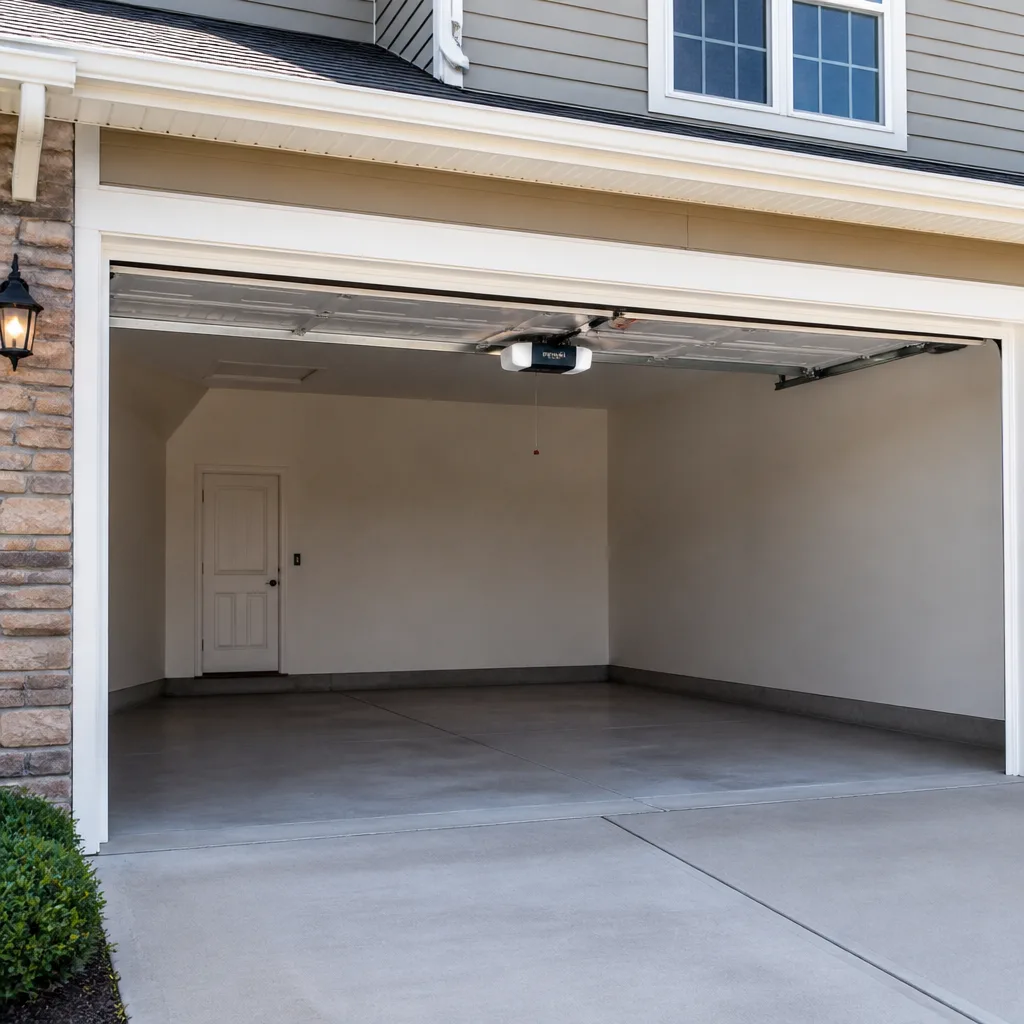 Chamberlain openers
Full 25-point door and opener safety check with every visit - springs, cables, rollers, tracks, and your LiftMaster or Chamberlain opener included
You get a price before we start. It does not change when the pro arrives.
Get your free estimateSeasonal Garage Door Care for Riverview: Year-Round Homeowner’s Guide
Most garage door maintenance advice is written for a place with four proper seasons, which Riverview is not. Here the calendar bends around two forces instead: hurricane season from June through November, and the dry, bright stretch that settles in from October through December once the rains stop. Those two forces pull on your door in opposite directions, and the failures that show up in a Riverview garage in July have their roots in how the door was treated in May. This guide walks through what actually matters month by month, what to check yourself, what to leave to a technician, and how to time the work so you’re not paying for repairs you could have avoided.
Quick Answer
Seasonal garage door care in Riverview centers on two things: a thorough pre-hurricane inspection in May that confirms the door still meets its rated wind resistance, and a post-storm check of the springs, cables, and weatherstrip that catches hidden damage before it becomes a failure. The dry-heat stretch from October through December dries out seals, and the occasional January cold snap thickens grease and slows openers. Schedule spring assessment before peak summer heat, and the door will run steadier through the season that matters most.
Styles & brands we work with
- Raised-panel steel
- Carriage house
- Modern flush
- Full-view glass
- LiftMaster openers
- Chamberlain openers
Table of Contents
- Why Riverview’s Climate Calendar Isn’t the Standard Four Seasons
- May: The Pre-Hurricane Season Inspection
- What “Rated Wind Resistance” Actually Means Under Load
- Post-Storm Inspection: Visible vs. Hidden Damage
- October-December: The Dry-Heat Stretch and Weatherstrip Shrinkage
- January-February Cold Snaps: What to Fix and What to Ignore
- Annual Spring Assessment: Why Timing Matters More Than You Think
- Opener Care Through the Seasons
Why Riverview’s Climate Calendar Isn’t the Standard Four Seasons
If you moved to Riverview from a northern state, you probably brought a maintenance rhythm with you. Deep-clean in spring, prep for winter, and forget about the door otherwise. That rhythm doesn’t fit here. Riverview doesn’t get long freezes, but it does get sustained heat, sudden pressure swings during storm systems, and a dry season that quietly pulls moisture out of every rubber seal on your house.
The practical version of that looks like this. From June through November, your door is more likely to take a hit from a wind event or rapid barometric change than at any other time of year. From October through December, the air dries out and the weatherstrip along the bottom and sides of the door begins to contract. From January through February, a handful of cold mornings can thicken the grease in your opener and make the door feel sluggish. The rest of the year is comparatively quiet, which is exactly why so many Riverview homeowners wait until something breaks instead of getting ahead of it.
We work on garage doors in Riverview all year, and the pattern is consistent. Doors that get a real inspection in May and a follow-up check after each named storm come through the season with fewer problems than doors that get attention only when they stop moving. This guide is written from that pattern. If your door is already giving you trouble, our garage door repair work covers springs, cables, tracks, panels, and rollers, and a free estimate will tell you what you’re actually dealing with.
May: The Pre-Hurricane Season Inspection
May is the highest-value month on the calendar for a Riverview garage door. Not because of wind alone, but because a door operating on worn springs or frayed cables behaves differently under the rapid, uneven pressure changes that come with a storm event. A door in good mechanical condition resists that load the way it was engineered to. A door with a tired spring or a stretched cable is already working past its design margin before the wind even shows up.
Here’s what a proper May inspection covers. You can walk through some of it yourself, and a technician should handle the rest.
- Check the balance test. Disconnect the opener (most openers have a pull cord or release lever). Lift the door by hand to about waist height, then let go. A balanced door should stay put or move very little. If it drops or rises on its own, the springs are out of adjustment or near the end of their life.
- Look at the springs. Torsion springs (the horizontal coil above the door) and extension springs (the ones that run along the sides) both show wear as gaps, rust, and sagging. Don’t touch them. Note what you see and let a technician assess. These are under high tension and are the single most dangerous component on the door.
- Run a hand along the cables. Fraying, kinks, or rust along the length of the cable are warnings. Cables under load can snap without warning and cause serious injury.
- Test the seal. Close the door and look from outside. Any daylight along the bottom or sides means the weatherstrip has failed and needs replacing before storm season pressure starts pushing air and water against it.
- Check the track alignment. The door should run smoothly with no binding. Small gaps between the roller and the track are normal. Visible dents or bends in the track are not.
- Test the safety reverse. Put a piece of wood flat on the ground under the door and close it. The door should reverse on contact. This is a code-required safety feature and worth confirming before storm season when the door may get exercised more than usual.
If any of those checks turns up a problem, the fix is almost always simpler and less expensive in May than it is in August when the door has already been through a rough couple of months. Booking an inspection is not a sales call. It’s how you find out what’s actually happening before you’re forced to deal with it.
What “Rated Wind Resistance” Actually Means Under Load
A garage door’s wind rating is a number, but that number only holds under specific conditions. When a manufacturer rates a door for a certain wind speed, it assumes the door is in designed condition: springs within spec, cables intact, hinges and rollers tight, and the track properly anchored. Change any one of those and the actual performance under a real pressure event drops below the rating, even if nothing looks broken.
What that means for a Riverview homeowner is practical. You don’t need to become an engineer to understand it. You need to know that the rating isn’t a permanent property of the door. It’s a property of the door in good repair. Every year that goes by without an inspection, the gap between the rated number and the real performance widens slightly.
Three things most affect whether a door holds its rating:
- Spring health. Worn springs let the door sag slightly out of line, which shifts the load onto the cables and track. A door in that state is not distributing wind pressure the way it was designed to.
- Anchor and track integrity. The track is bolted to the framing. Loose anchors or bent track let the door flex under pressure when it should stay rigid.
- Panel condition. Dented or delaminated panels are weaker points. On a Clopay or Amarr door, panel replacement restores the original spec. Patching damage on a panel doesn’t.
If you’ve been in your Riverview home for more than a couple of years and haven’t had the door inspected, this is the year to do it. Our technicians have up to 13 years of experience working on the most common residential door brands, and a free estimate will tell you whether your door is still in rated condition or needs work first.
Post-Storm Inspection: Visible vs. Hidden Damage
After a storm passes through Riverview, the visible damage is usually obvious: a bent track, a dented panel, a door that won’t close. The hidden damage is where people get caught. Rapid pressure changes during a storm event stress the cable and spring system in ways that don’t show up in a quick visual scan. A cable that looked fine in the calm will sometimes start fraying in the week after, once it’s been cycled under load.
Here’s how to think about the post-storm check in two layers.
What you can spot yourself
- Bent or misaligned track
- Dented or torn panels
- Obvious cable sagging or separation from its drum
- Weatherstrip that has pulled loose or torn
- Door that won’t close flush or runs loudly
- A safety reverse that no longer works
What’s hidden and needs a technician
- Springs that are still one piece but have lost tension or are showing stress marks
- Cables with internal fraying that hasn’t yet shown on the surface
- Anchor bolts that have loosened at the framing
- Roller spindles that have bent slightly and are now dragging
- Opener logic that has drifted after a power event or surge
Here’s the honest assessment: if the door went through a serious pressure event, the visible inspection is a starting point, not a verdict. A technician can put hands on the springs, check cable tension, and run the door through a full cycle in a way you can’t safely do yourself. If the door has been through something and you’re not sure whether it’s fine, call us. We answer 24/7. Fast dispatch from 7am to 7pm, Sunday through Friday.
October-December: The Dry-Heat Stretch and Weatherstrip Shrinkage
Once the rainy season ends, Riverview gets a stretch of dry, bright weather that few people think to connect to their garage door. They should. The rubber weatherstrip along the bottom and sides of the door is the same material on your refrigerator door and your car windows. It needs some ambient moisture to stay pliable. During the dry months, it contracts, hardens, and begins to pull away from the frame.
The result is a garage that’s less airtight and less weather-tight than it was in September. You may notice a draft along the bottom of the door. You may see daylight from outside. You may notice more dust and small debris getting in. On a LiftMaster or Chamberlain opener with a timer-to-close feature, a gap along the bottom can also trigger the safety sensor intermittently, making the door reverse for no obvious reason.
The fix is straightforward and usually inexpensive. Replacing the bottom seal and any side weatherstrip restores the seal. In some cases the existing seal can be adjusted rather than replaced, but once it has hardened it’s usually not worth trying to stretch the life out of it. This is a good job to do in November, before the cold snaps arrive and the gap starts letting cold air under the door.
While you’re checking the weatherstrip, take five minutes to lubricate the hinges, rollers, and springs with a proper garage door lubricant. Not WD-40 and not general grease. A silicone or lithium-based garage door lubricant applied to the moving metal parts once a year keeps the door running smooth and quiet through the dry stretch. It’s the single easiest preventive step a Riverview homeowner can do without any risk.
January-February Cold Snaps: What to Fix and What to Ignore
Riverview’s winters are mild, but they’re not nothing. A handful of cold mornings each January and February drop temperatures enough to affect two things on your door: the grease in your opener and the flexibility of the weatherstrip.
When the grease in an older opener thickens, the motor works harder to move the door, and the door may feel slow or hesitate at the start of a cycle. On a Genie or Craftsman opener that’s been in service a while, this can spark a spurious safety sensor trip. The fix is not to increase opener force settings, which is what some homeowners do and what causes other problems. The fix is to have the opener serviced and its lubrication checked, and if the opener is at the end of its life, to look at repair or replacement honestly rather than pushing the motor to compensate.
What to ignore in this stretch:
- Minor creaking on the first cold morning. This is normal as parts contract.
- Slight slowdown in the first cycle of the day. Also normal.
- A door that runs fine after the first cycle. Not a problem.
What not to ignore:
- A door that reverses for no reason on cold mornings.
- An opener that’s straining audibly throughout the cycle, not just at the start.
- A door that won’t fully close in cold weather but works fine in the afternoon.
- Any new noise that wasn’t there in December.
If any of the “don’t ignore” items show up, our garage door opener repair work starts with a proper diagnosis rather than a parts swap. Opener problems are common and are often caused by something simple, and getting it diagnosed correctly the first time saves you money.
Annual Spring Assessment: Why Timing Matters More Than You Think
Here’s a point most seasonal guides skip. When you replace a garage door torsion spring matters, because the spring’s useful life is consumed more by temperature than by cycles. In sustained heat, springs lose tension faster. A Riverview household that cycles the door eight or ten times a day through a hot summer puts more wear on the spring than a household in a cooler climate doing the same cycling.
That’s why we recommend scheduling the spring assessment in late spring, before peak summer heat. If the spring is near the end of its life, replacing it in April or May means you’re going into the hot stretch with a fresh spring, not one that will fatigue through July and August. If the spring is fine, you’ve confirmed that going into the season and you can stop worrying about it.
Two practical notes on spring replacement:
- Matched pairs. Torsion springs are almost always replaced in matched pairs. If one spring has failed or is near failing, replacing both at once is standard practice because the second spring is on the same wear curve. The cost of a single spring replacement versus a pair reflects that: one spring replacement in this market typically runs in the low hundreds of dollars, and a matched pair runs roughly twice that. A written estimate will give you the exact price before any work begins.
- Don’t do this yourself. Torsion springs are under very high tension. A mistake during winding or unwinding can cause serious injury, and there’s no version of this job that’s safe without the correct winding bars and training. This is genuinely one to hand to a technician, and every honest garage door company will tell you the same.
If your door is opening slower than it used to, feels heavier than it should, or has started making a single loud pop at the start of a cycle, the spring is the first thing to check. That’s a good reason to get local eyes on it sooner rather than later. We can usually diagnose a spring issue in a single visit.
Opener Care Through the Seasons
Your opener is the part of the system that gets cycled the most and the part most affected by seasonal changes. A few specifics worth knowing.
In the months after a storm event, it’s worth rechecking opener settings that may have drifted. Safety sensor alignment, force limits, and travel limits are all things that can shift after a power surge or a rough cycle. If the door reverses inexplicably or stops short, the opener is usually the cause, not the door itself. Scheduling opener repair is one of the more common calls we get in Riverview.
In the dry stretch, spray a small amount of lubricant on the opener’s rail or belt (depending on the model) and check the manual release for easy operation. If the release is stiff, that can be a sign of a tension problem in the door that’s now showing up on the opener.
In the cold snap, don’t touch opener force settings. This is the most common DIY mistake on garage door openers and one of the most common reasons we get called to undo settings changes. If the opener is struggling, the door is telling you something is off. Fix the door, not the settings.
If you’re running a LiftMaster or Chamberlain opener with smart-home integration, take a few minutes each season to check that the app still reports door status correctly. Battery backup, when it’s part of the opener, is worth testing once a year, especially going into storm season when power interruptions are more likely. Our Goodwin Garage Door Repair team handles opener repair and installation on the most common residential platforms.
Common Mistakes to Avoid
- Waiting until something breaks. The whole point of seasonal care is that a May inspection catches what an August failure would cost more to fix. A Riverview door that gets inspected in May almost always has a smoother storm season than one that doesn’t.
- Turning up opener force instead of fixing the door. If the door is heavy or binding, the opener force setting is a symptom, not a cause. Raising it just makes the opener work harder against a door that’s already struggling. Fix the door and the opener recovers on its own.
- Lubricating with the wrong product. WD-40 is a solvent, not a lubricant, and it will dry out the door further. Use a dedicated garage door lubricant on hinges, rollers, and springs once a year, and leave the tracks alone or wipe them with a dry cloth.
- Skipping the post-storm check. Visible damage is easy. A fraying cable or a stressed spring is easy to miss and can fail weeks after the storm. A quick technician scan after a strong event is cheap insurance.
- Ignoring a weatherstrip gap. Dry-season shrinkage is normal. Ignoring it for months lets water and small pests into the garage through a gap that was never meant to be there. This is a same-day, low-cost fix in most cases.
- DIY spring replacement. This is the one item on the door that shouldn’t be a weekend project. Torsion springs are dangerous under tension, and a misstep can cause serious injury. Every honest technician will tell you to hand this one over.
- Missing the safety reverse test. It takes thirty seconds and is a genuine safety feature. Set a reminder for once a month. If it doesn’t reverse on contact with an object, the door needs service before someone gets hurt.
See the difference
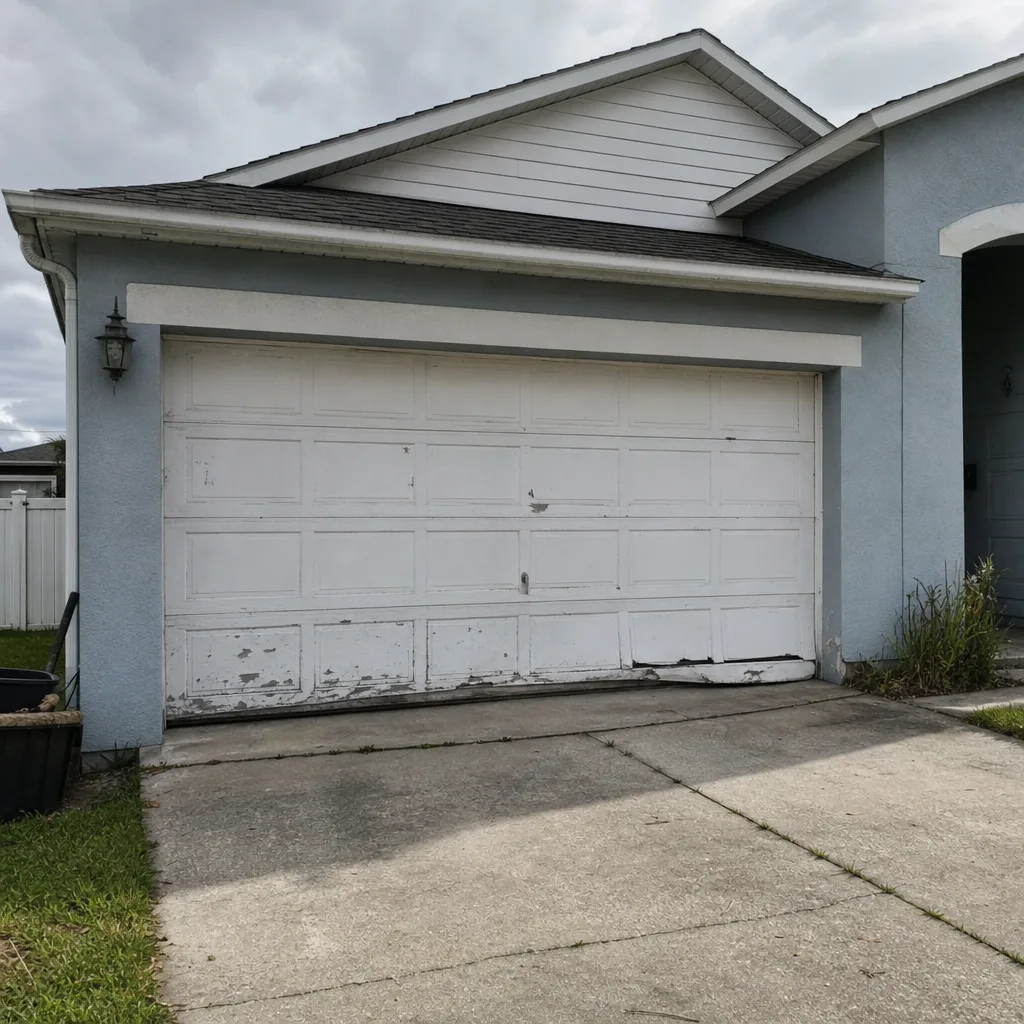 Before
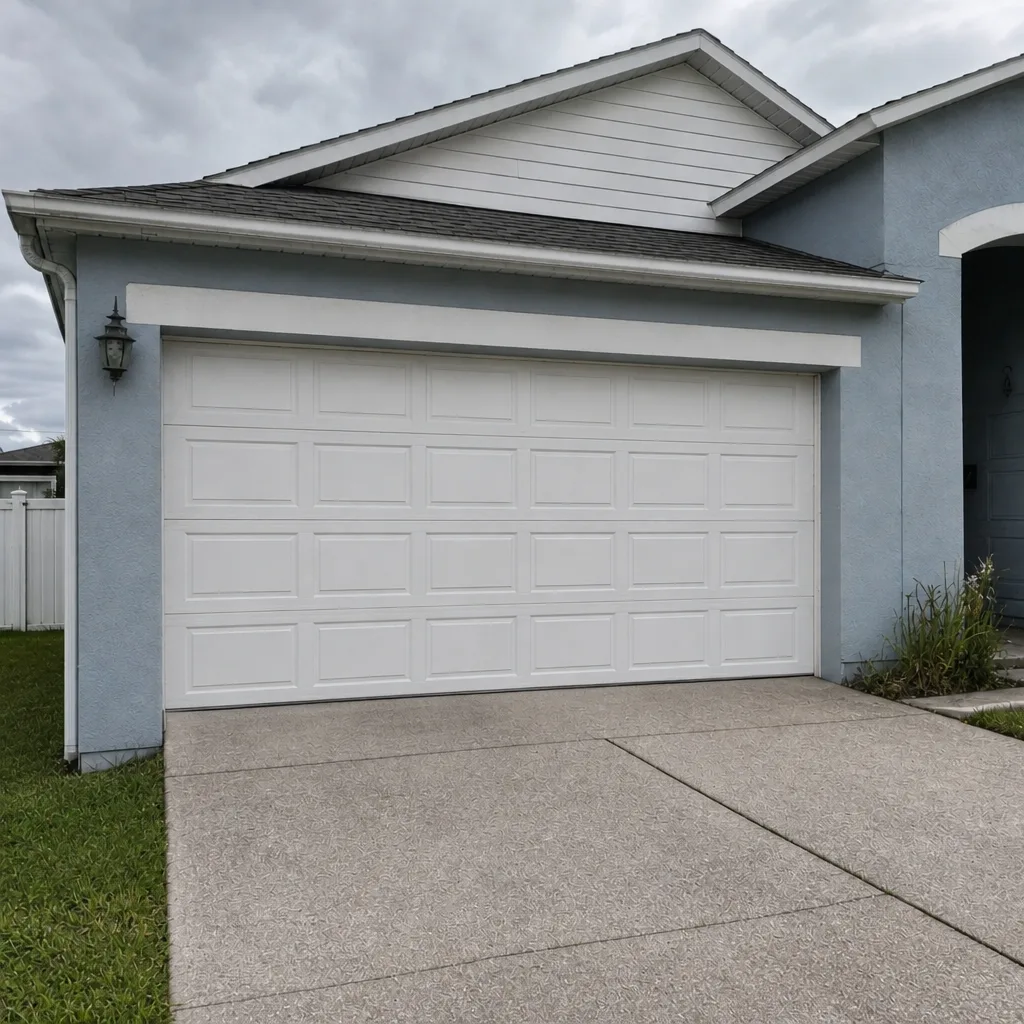 After
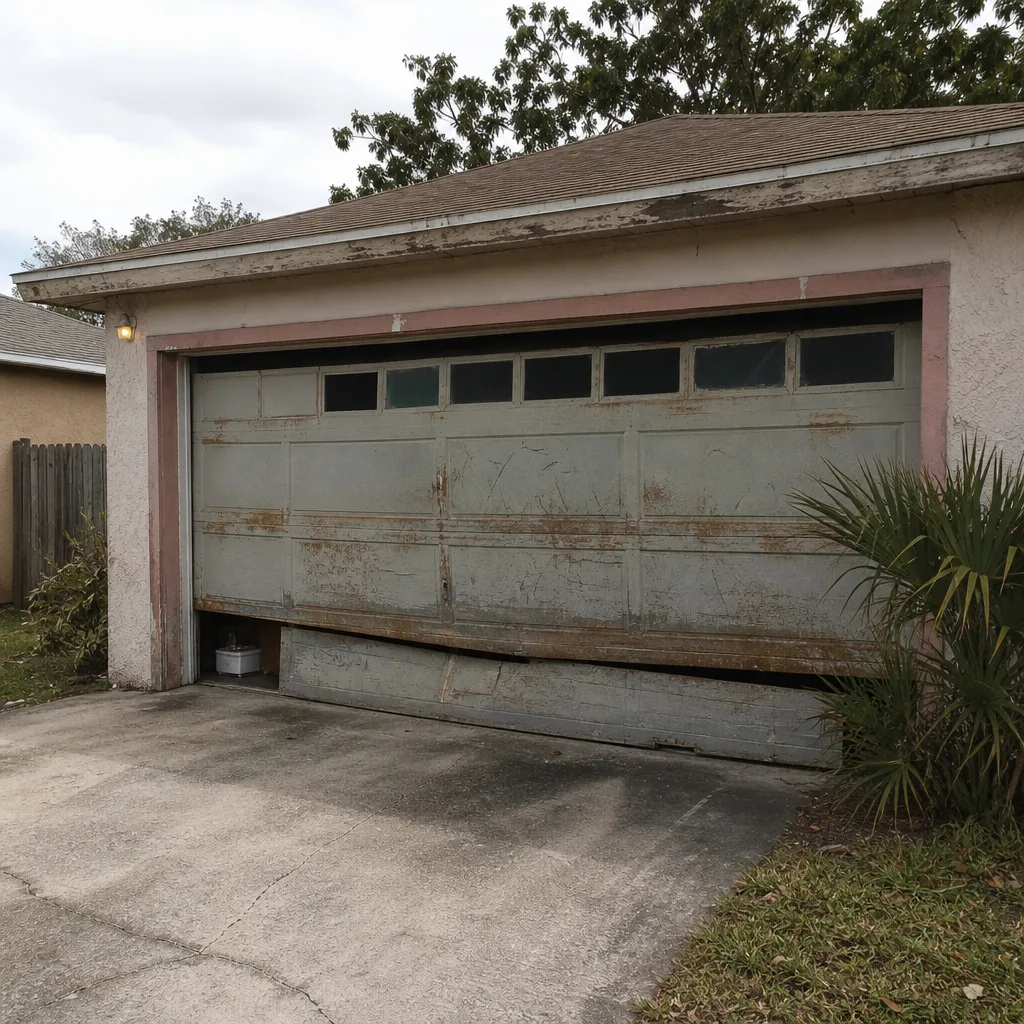 Before
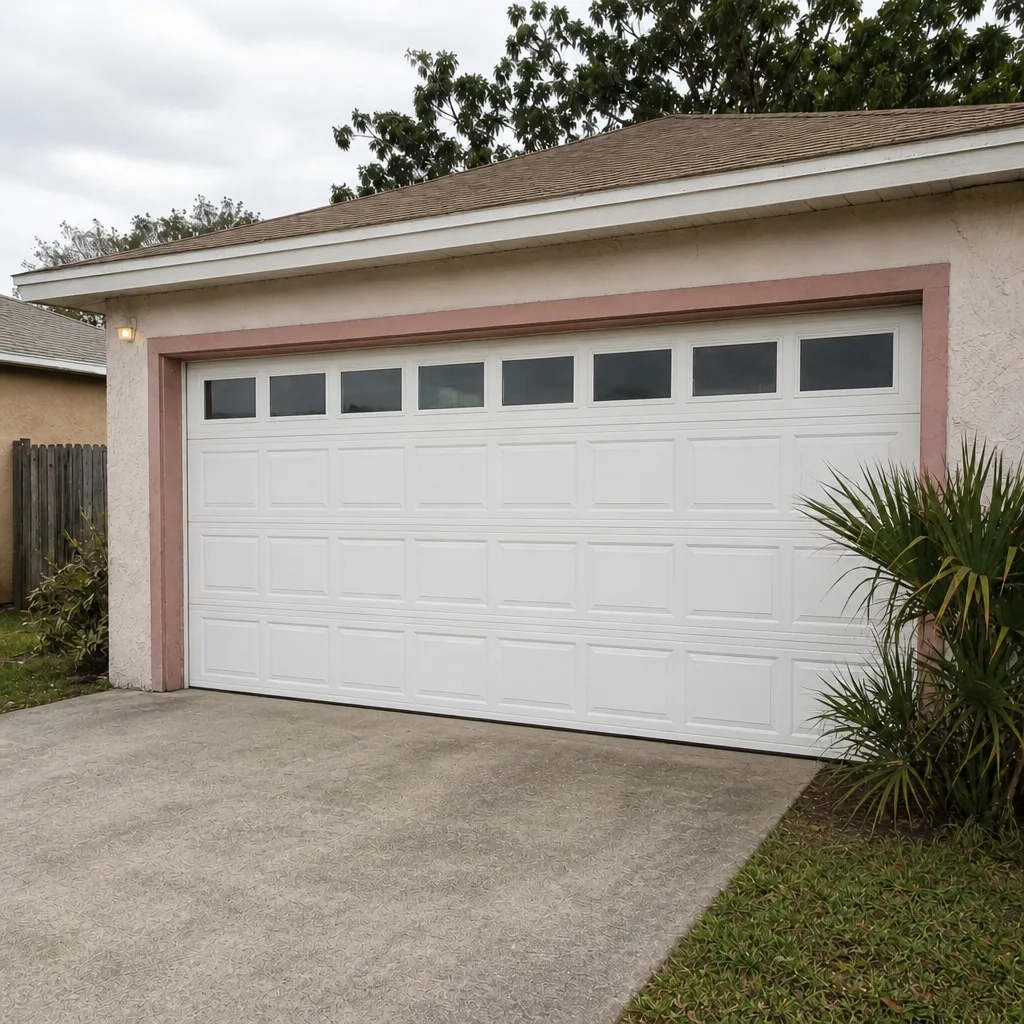 After
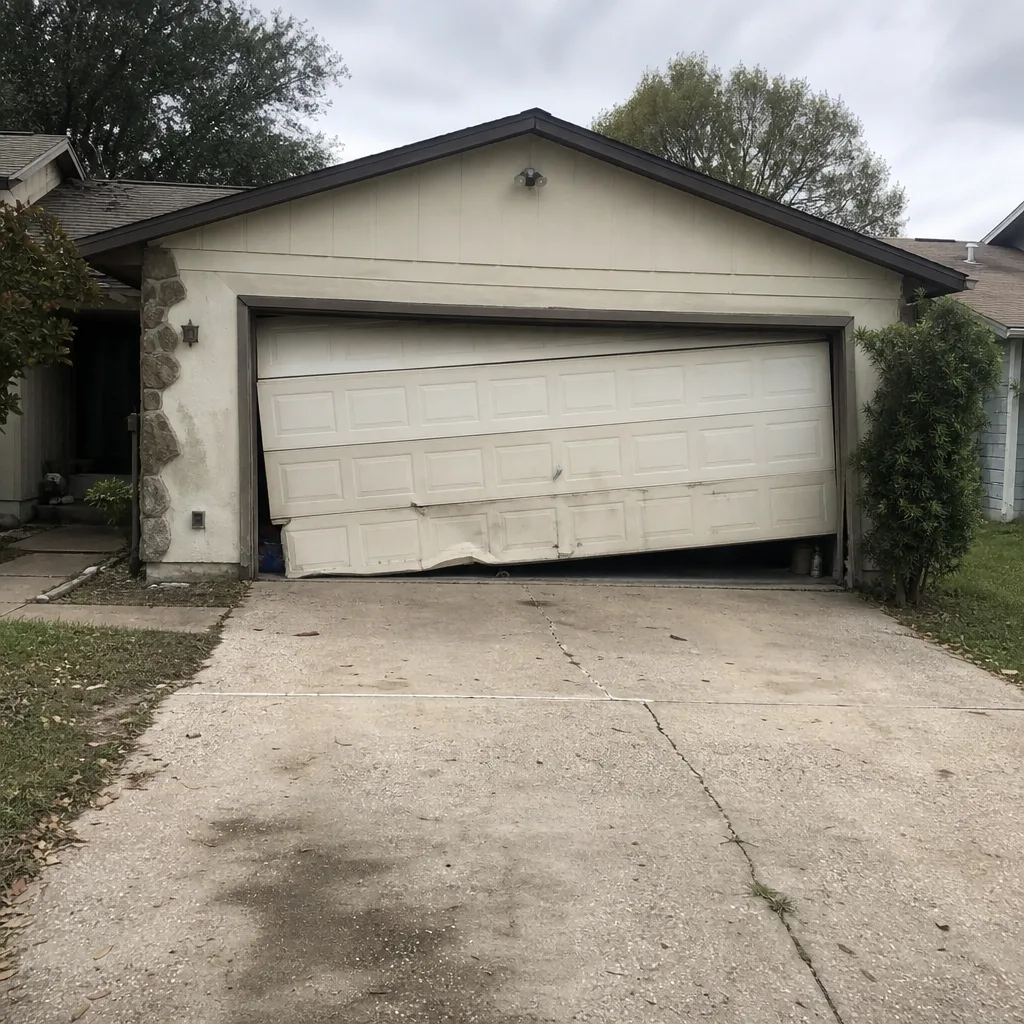 Before
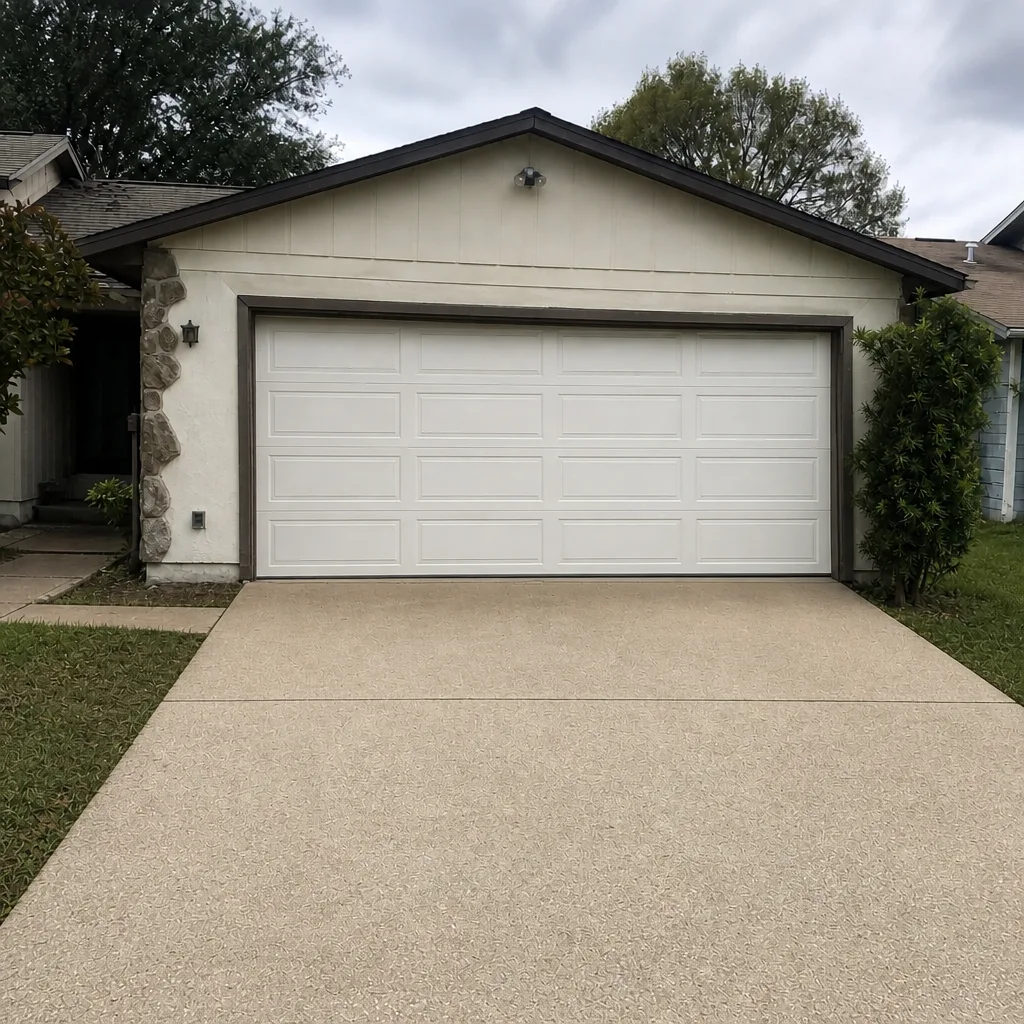 After
When to Call a Professional
Some seasonal care is genuinely DIY territory. Lubricating hinges and rollers, checking the weatherstrip, running the safety reverse test, and doing the May balance check are all things most homeowners can handle. The moment you’re looking at a spring, a cable, or an opener that’s misbehaving in a way you can’t explain, it’s time to hand it over. Springs and cables are under high tension and aren’t safe to inspect with bare hands, and opener settings drift in ways that need a proper diagnostic.
Goodwin Garage Door Repair offers free estimates in Riverview. Call (855) 473-8424. Our technicians have up to 13 years of experience working on the brand of door and opener already in your home, from LiftMaster and Chamberlain openers to Clopay and Amarr doors. Repair first, replacement only when repair is genuinely the wrong choice. The price is quoted and agreed before any work starts.
Frequently Asked Questions
The best single date is May, before hurricane season starts. A pre-season inspection confirms your door is still functioning at its rated wind resistance and catches spring, cable, and seal problems before storm season stresses them. Follow up with a check after any serious storm event, and do a quick weatherstrip and lubrication check in November. Call (855) 473-8424 for a free estimate – arrangements are set up around your day.
A single torsion spring replacement in this market typically runs in the low hundreds of dollars, and a matched pair runs roughly twice that because both springs are replaced together. The written estimate you receive sets the final price and is agreed before any work starts. Call (855) 473-8424 for an exact quote – estimates are free.
We answer 24/7, and fast dispatch runs from 7am to 7pm, Sunday through Friday. Same-day service is often possible for repair calls. A call outside dispatch hours is booked into the next opening, Sunday through Friday, 7am to 7pm. Call (855) 473-8424 and we’ll get you on the schedule.
The written estimate sets the price, and that price is agreed before any work starts. If the diagnosis on site turns up something beyond what the initial estimate covered, we tell you before proceeding. You don’t get an invoice bigger than the quote. Call (855) 473-8424 for a free estimate.
Our technicians are licensed and insured, and they work on the eight most widely installed residential door and opener brands, including LiftMaster, Chamberlain, Genie, Clopay, Amarr, Wayne Dalton, Craftsman, and Raynor. That matters because we work on the brand you already have rather than pushing a replacement. Call (855) 473-8424 for a free estimate.
Most older doors are worth repairing, especially when the panels are intact and the problem is springs, cables, rollers, or the opener. Replacement makes sense when the panels are damaged beyond repair or the door is so far out of spec that repair costs approach replacement. A proper diagnosis will tell you which side of that line your door is on. Call (855) 473-8424 – estimates are free and there’s no upsell pressure.
The Bottom Line
Riverview doesn’t need a four-season garage door routine. It needs a May inspection before storm season, a post-storm check of springs and cables, a weatherstrip and lubrication pass in November as the air dries out, and a light cold-snap check in January when the opener starts to feel sluggish. Spring assessment in late spring, before peak heat, is the single best timing habit a Riverview homeowner can build. Everything else is minor maintenance you can do yourself. Springs, cables, and openers belong to a technician, and that’s not a scare tactic, it’s what any honest garage door specialist will tell you.
If you’re not sure where your door stands, don’t guess. Goodwin Garage Door Repair provides repair, opener repair, and installation across Riverview, and we work on the brand you already have. Call (855) 473-8424 for a free estimate. We answer 24/7. Fast dispatch from 7am to 7pm, Sunday through Friday. Licensed and insured, upfront pricing, and the price agreed before any work starts.
Written by the team at Goodwin Garage Door Repair.