
Last updated November 15, 2026
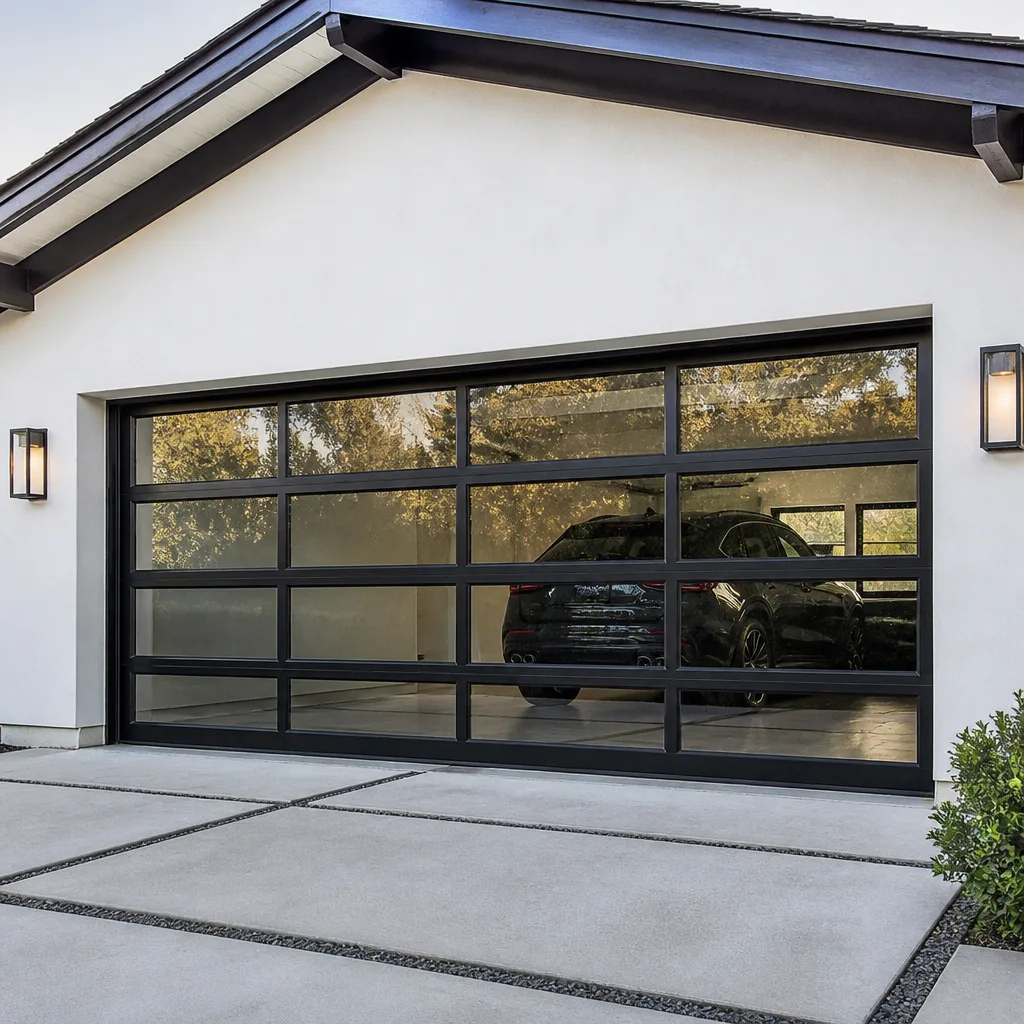 Full-view glass
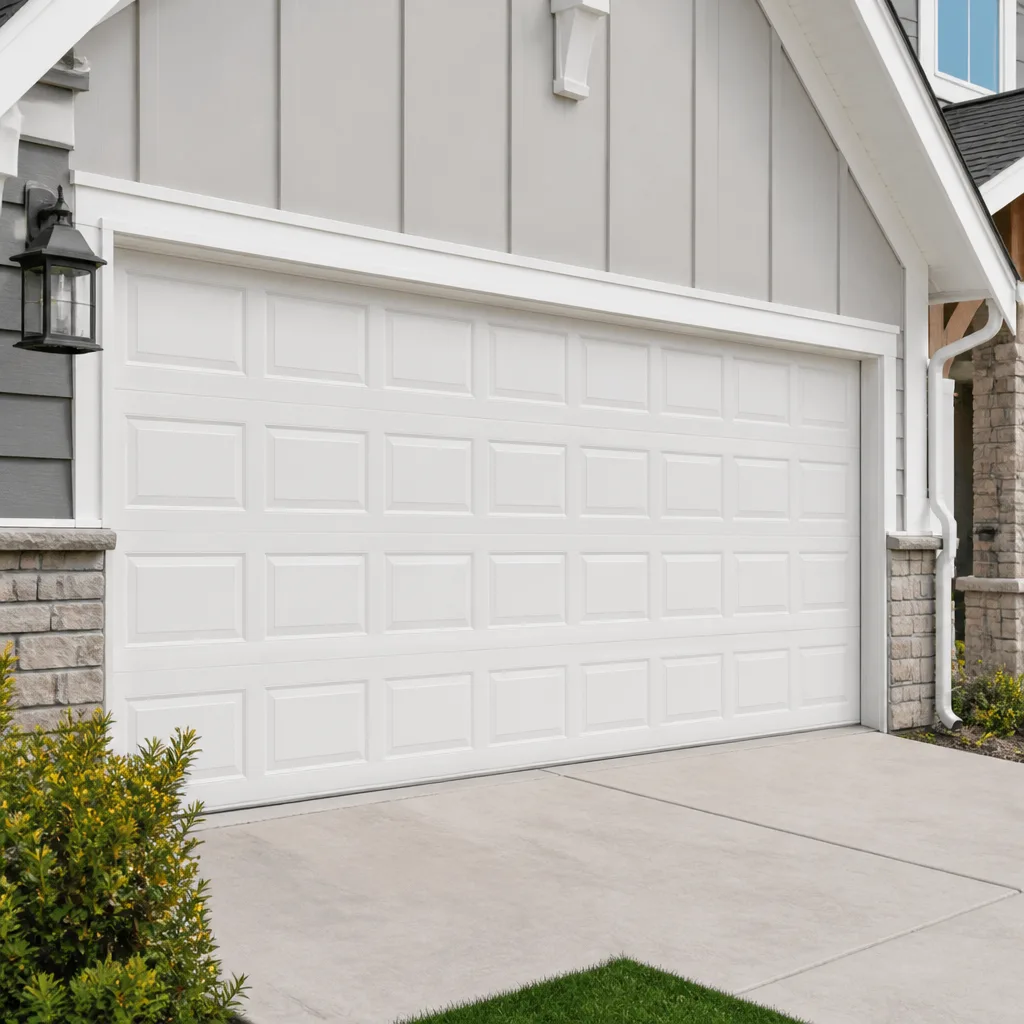 Raised-panel steel
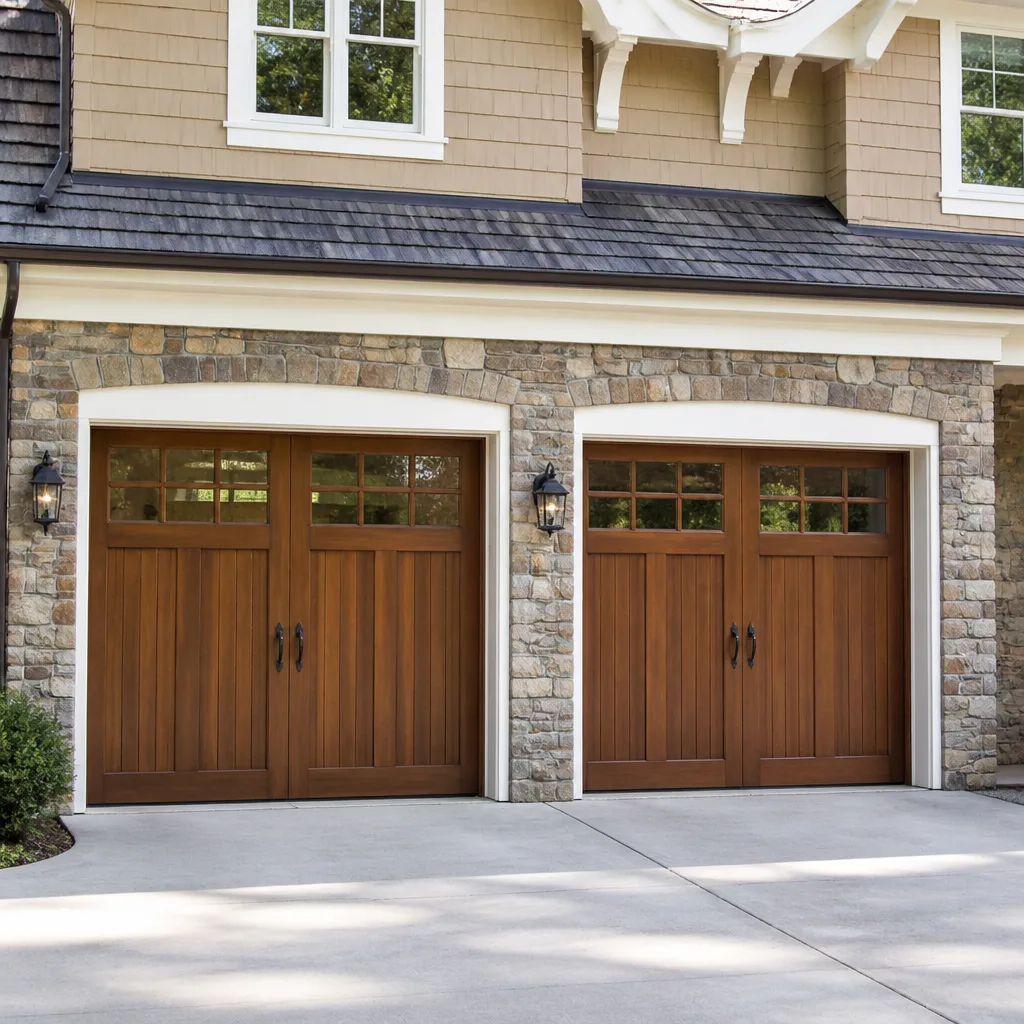 Carriage house
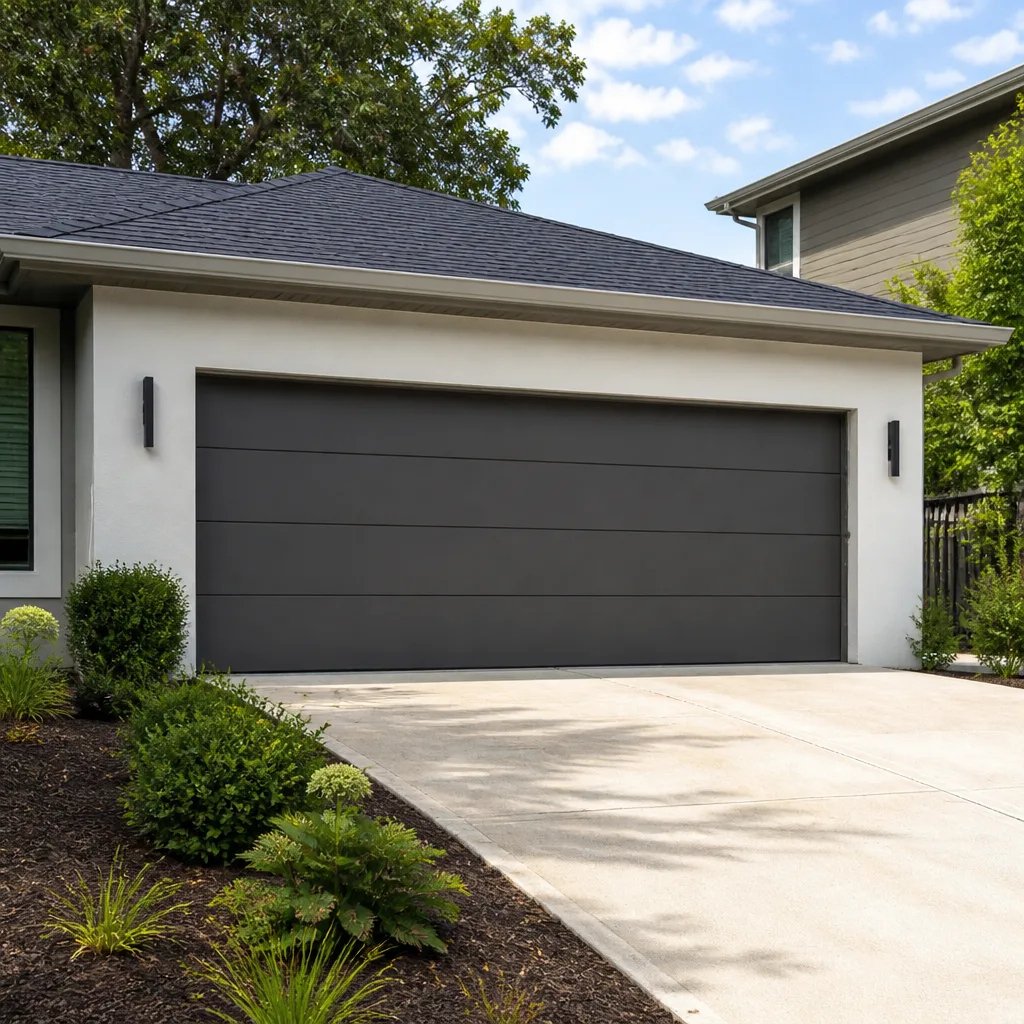 Modern flush
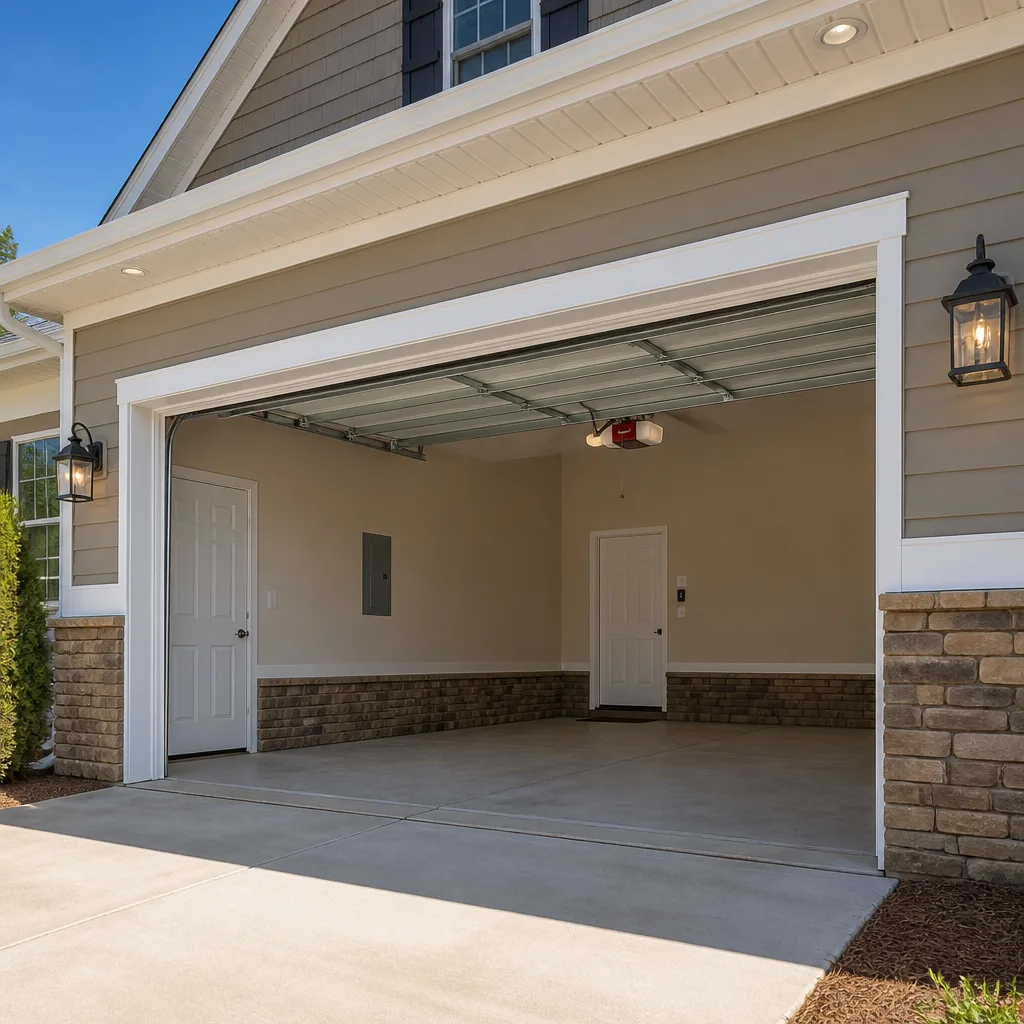 LiftMaster openers
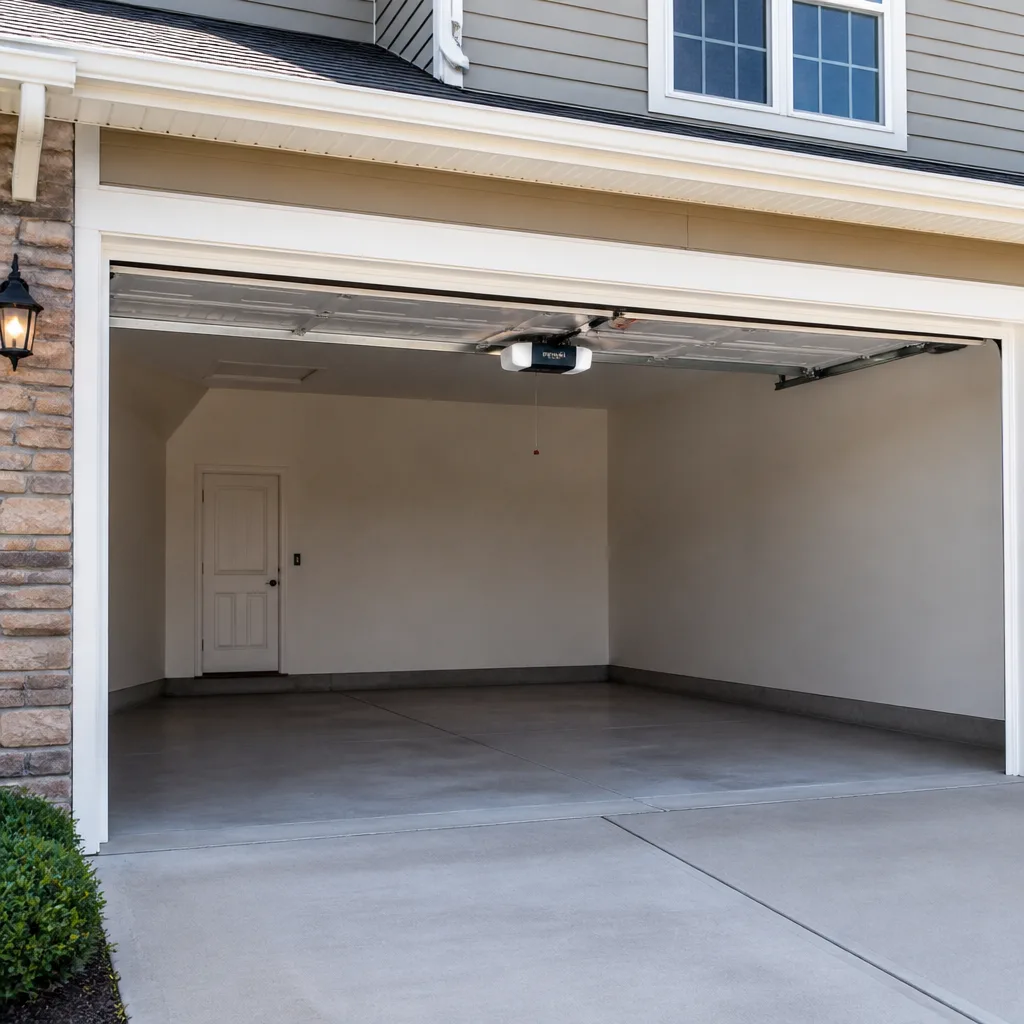 Chamberlain openers
Full 25-point door and opener safety check with every visit - springs, cables, rollers, tracks, and your LiftMaster or Chamberlain opener included
You get a price before we start. It does not change when the pro arrives.
Get your free estimateGarage Door Repair Maintenance Checklist for Riverview Homeowners
Most garage door maintenance checklists are written for a climate that doesn’t exist here. They tell you to check the springs, listen for squeaks, and call it a day. But in Riverview, the thing that quietly shortens a door’s life isn’t a dramatic spring snap. It’s corrosion creeping into places nobody thinks to look: cable drum anchor points, bottom bracket fasteners, and the torsion shaft where humidity settles and stays. Dew-point cycles here mean your door is damp most mornings and dried out by afternoon, over and over, all year. This guide is sequenced by what actually fails first in that environment, not by what’s easy to write about. You’ll learn what to check quarterly, what to leave to a technician, and how to spot trouble before it becomes a repair bill.
Quick Answer
A realistic garage door maintenance routine in Riverview means quarterly homeowner checks focused on corrosion at cable drums, bottom brackets, and the torsion shaft, plus an annual technician inspection that covers spring wear, balance, and opener calibration. The single most overlooked item is lubricant selection: standard white lithium grease breaks down faster in Florida heat, so a heat-stable product matters more here than in cooler states. Homeowners who check the right points quarterly and schedule one professional visit a year catch most failures before they start.
Styles & brands we work with
- Raised-panel steel
- Carriage house
- Modern flush
- Full-view glass
- LiftMaster openers
- Chamberlain openers
Table of Contents
- Why Humidity, Not Springs, Is Riverview’s Real Garage Door Enemy
- Your Quarterly Homeowner Checklist
- How to Test Door Balance the Right Way
- Choosing the Right Lubricant for Florida Heat
- Weatherstrip and Threshold Seals in Rainy Season
- What to Check Quarterly vs. What Needs a Technician
- Opener Maintenance Most Checklists Skip
- Seasonal Timing for Riverview Homeowners
Why Humidity, Not Springs, Is Riverview’s Real Garage Door Enemy
The number-one source of premature garage door failure in humid climates isn’t a broken spring. It’s corrosion at cable drum anchor points and bottom bracket fasteners that goes unnoticed for two years because no generic checklist tells you to look there. Springs fail loudly and get attention. Corrosion fails quietly, and by the time it shows up as a snapped cable or a door that won’t close straight, the damage has been building for a long time.
Riverview sits in a part of Florida where the dew point climbs high most of the year. That means your garage door hardware is wet most mornings, then dries as the day warms, then gets wet again. This cycle is harder on metal than constant wetness would be, because each dry-wet transition gives corrosion a fresh start. The components most affected are the ones where moisture collects and stays: the cable drum where cables wind, the bottom bracket where the lowest panel meets the track, and along the torsion shaft above the door.
What to look for at each point:
- Cable drum: Brown or white powdery residue where the cable anchors to the drum. Cable strands that look frayed or flattened near the drum edge.
- Bottom bracket fasteners: Rust streaks running down from the bolts, or bolts that have loosened as the metal around them corroded.
- Torsion shaft: Surface rust along the shaft, especially where it passes through the center bearing plate. A shaft that squeals during operation is often a rusted bearing, not a spring issue.
- Track edges: Pitting or roughness on the inside curve of the track where rollers travel. Rough track wears rollers fast.
None of these require tools to spot. They require knowing where to look, which is the whole point. Checking these four spots takes five minutes and tells you more about your door’s condition than a general once-over ever will. If you find heavy rust at the cable drum or bottom bracket, that’s not a homeowner fix. It’s a sign the hardware needs a professional look before something lets go. For that kind of diagnosis, garage door repair in Riverview starts with a proper inspection of exactly these points.
Your Quarterly Homeowner Checklist
This is a 20-minute routine you can do yourself, four times a year. It’s built around the failure points above, not around a generic list. Do it in the morning when the door is dry and the humidity hasn’t climbed yet.
- Walk the door path. Look at the full travel of the door from inside the garage. Note anything sitting near the track that could catch a roller, and clear it.
- Inspect the cable drums. With the door closed, look at both drums at the top corners. Check for rust residue and frayed cable strands. Don’t touch the cables under tension. Just look.
- Check bottom bracket bolts. Look for rust streaks and loose fasteners. A bolt you can wiggle by hand is a problem.
- Look along the torsion shaft. Shine a light along the shaft and the bearing plates. Rust and roughness here are early warnings.
- Test the balance. The halfway test below tells you whether the springs are carrying their share of the weight.
- Check the weatherstrip. Run a hand along the bottom seal and the side seals. Feel for gaps, hardening, or tears.
- Test the safety reverse. Put a roll of paper towels under the door path and close the door. It should reverse on contact. If it doesn’t, stop using the opener and get it checked.
- Listen. Run the door once and listen. Grinding, squealing, or a door that moves in jerks are all worth writing down for the annual inspection.
Write down what you find each quarter. Over a year, that log tells you whether a noise is getting worse or staying the same, which is genuinely useful when a technician asks what’s changed.
How to Test Door Balance the Right Way
An out-of-balance door is the clearest early signal that your springs are losing tension, and the halfway test is how you check it. It’s simple, it’s safe if you follow the steps, and it tells you more about spring health than any visual inspection.
Here’s the correct sequence:
- Close the door fully and disconnect the opener using the release cord. This takes the opener out of the equation.
- Lift the door by hand to about halfway open, roughly waist height.
- Let go. Step back and watch.
A balanced door holds its position at the halfway point, maybe drifting an inch or two. A door that sinks to the floor on its own has springs that are no longer carrying the door’s weight. A door that springs upward has springs that are too tight. Either result means the spring system needs professional attention.
What an out-of-balance result actually means for your spring timeline: springs that are weakening will keep weakening, and the door will get heavier to lift by hand each month. Left alone, the extra load transfers to the opener, which then works harder and fails sooner. Most opener failures we see trace back to a door that’s been out of balance for a while. Catch it at the halfway test and you’re protecting two components at once, not one.
What you should not do is try to adjust the springs yourself. Torsion springs are under extreme tension even when the door is closed, and the winding process is the most dangerous part of garage door work. There’s no safe homeowner version of that job. If the halfway test fails, that’s a call to a technician, not a project.
Choosing the Right Lubricant for Florida Heat
Standard white lithium grease is the default recommendation on most garage door checklists, and in Riverview it’s the wrong choice for most of the year. Lithium grease is formulated to work across a broad temperature range, but above 90°F it softens, thins, and migrates out of the places it’s supposed to protect. In a Riverview garage in summer, that’s most of the day. The grease runs off the hinges and rollers, leaves a residue that collects grit, and stops doing its job.
What works better in this climate:
- A silicone-based or synthetic spray lubricant rated for high temperatures. These stay put when the garage heats up and don’t attract dust the way grease does.
- A dedicated garage door lubricant if you can find one. It’s formulated for the specific friction points on a door, including the hinges, rollers, and torsion shaft bearings.
- Avoid WD-40 as a lubricant. It’s a penetrating oil and water displacer, not a long-term lubricant. It’ll quiet a squeak for a week and then leave the joint drier than before.
Where to apply it: the hinges at each panel joint, the roller stems (not the roller wheels themselves if they’re nylon), the torsion shaft bearings, and the lock or latch mechanism if you have a manual lock. Wipe off excess so it doesn’t collect grit. Apply quarterly in Riverview, not annually, because the heat breaks lubricant down faster here than the generic instructions assume. A dry, clean door with the right lubricant runs quieter and puts less strain on the opener.
Weatherstrip and Threshold Seals in Rainy Season
Florida’s rainy season is the hardest test your door’s seals will face all year, and most homeowners don’t check them until water is already in the garage. The bottom threshold seal and the side weatherstrip are what keep wind-driven rain out, and they degrade faster in humidity than most people expect.
What to check before and during the rainy season:
- The bottom seal: Look for hardening, cracking, or a seal that’s flattened and no longer touching the floor. A seal with a visible gap lets water in under the door.
- Side weatherstrip: Run a hand down each side. Feel for tears, sections that have pulled away from the frame, or strips that have gone stiff.
- Threshold performance under standing water: After a heavy rain, check whether water pools against the door and whether any gets through. A threshold that fails under standing water needs replacing or adjusting, not just cleaning.
- Frame rot: Wood door frames near the bottom corners can soften over time in humid conditions. Press a screwdriver handle into the wood. If it gives easily, the frame needs attention.
Replacing a bottom seal is one of the few jobs a homeowner can reasonably do. It’s a straightforward swap on most doors and the parts are easy to find. Side weatherstrip replacement is also manageable on most residential doors. But if the frame itself is compromised, or if water is getting in through gaps at the corners, that’s a technician visit. Seals protect the door’s panels and hardware from the moisture that causes the corrosion described above, so keeping them in shape is a genuine maintenance priority in Riverview, not a cosmetic detail.
What to Check Quarterly vs. What Needs a Technician
Knowing what you can handle and what you shouldn’t touch is the most useful skill in garage door maintenance. Here’s the split, as we’d draw it for a Riverview homeowner.
Quarterly, homeowner-level
- Visual inspection of cable drums, bottom brackets, and the torsion shaft for corrosion
- The halfway balance test
- Lubrication with a heat-stable product
- Weatherstrip and threshold seal check
- Safety reverse test
- Tightening the bolts you can safely reach (hinge bolts, bracket bolts not under spring tension)
- Clearing the track of debris and wiping it down
Annually, technician-level
- Full spring inspection, including measuring tension and checking for cracks
- Cable inspection along its full length for fraying and corrosion at the drum
- Roller and hinge wear assessment
- Torsion shaft bearing check
- Opener force and travel calibration
- Track alignment and level
- Panel and structural check
The line is simple: anything involving springs, cables under tension, or the opener’s internal settings goes to a technician. Those components carry stored energy or require calibration tools, and a mistake there is dangerous. Everything else, you can do. One annual technician visit catches the wear that quarterly checks can only flag, and it’s the visit that keeps small problems from becoming replacements.
See the difference
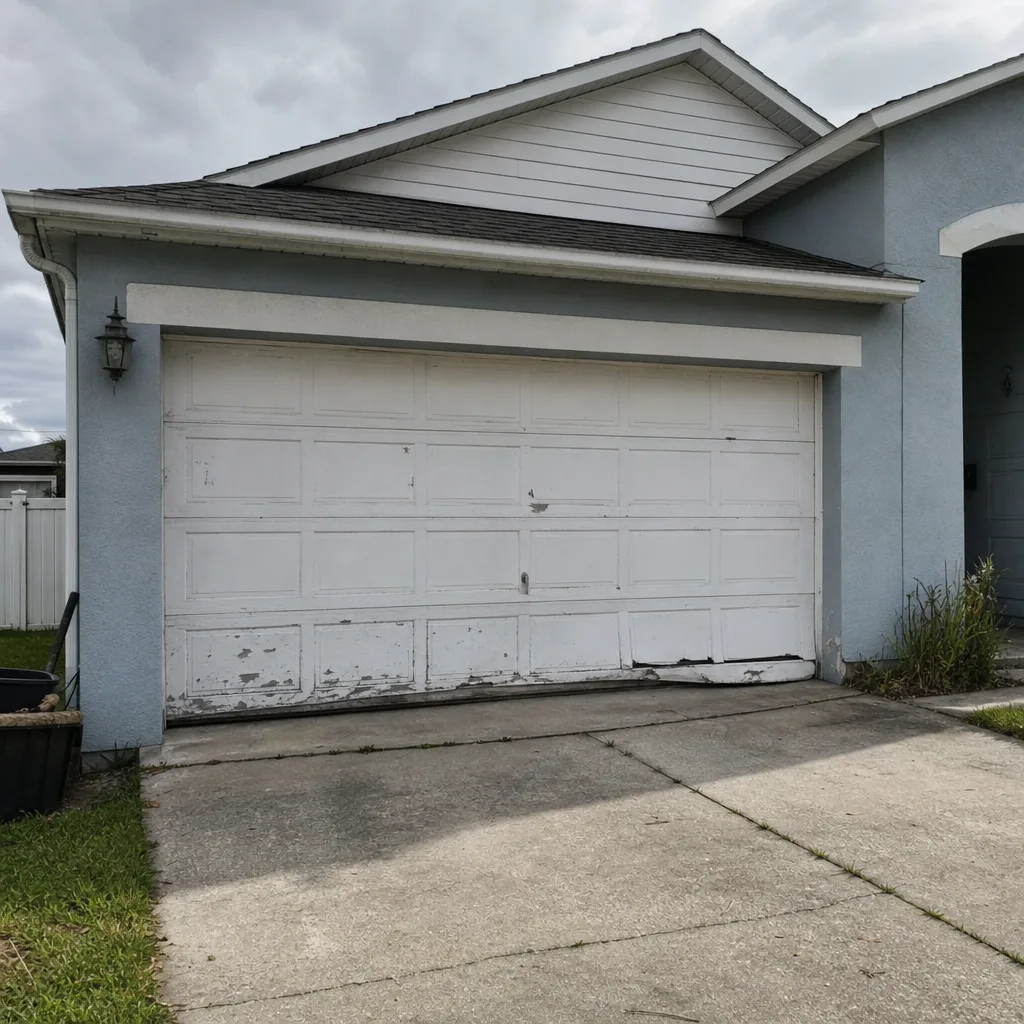 Before
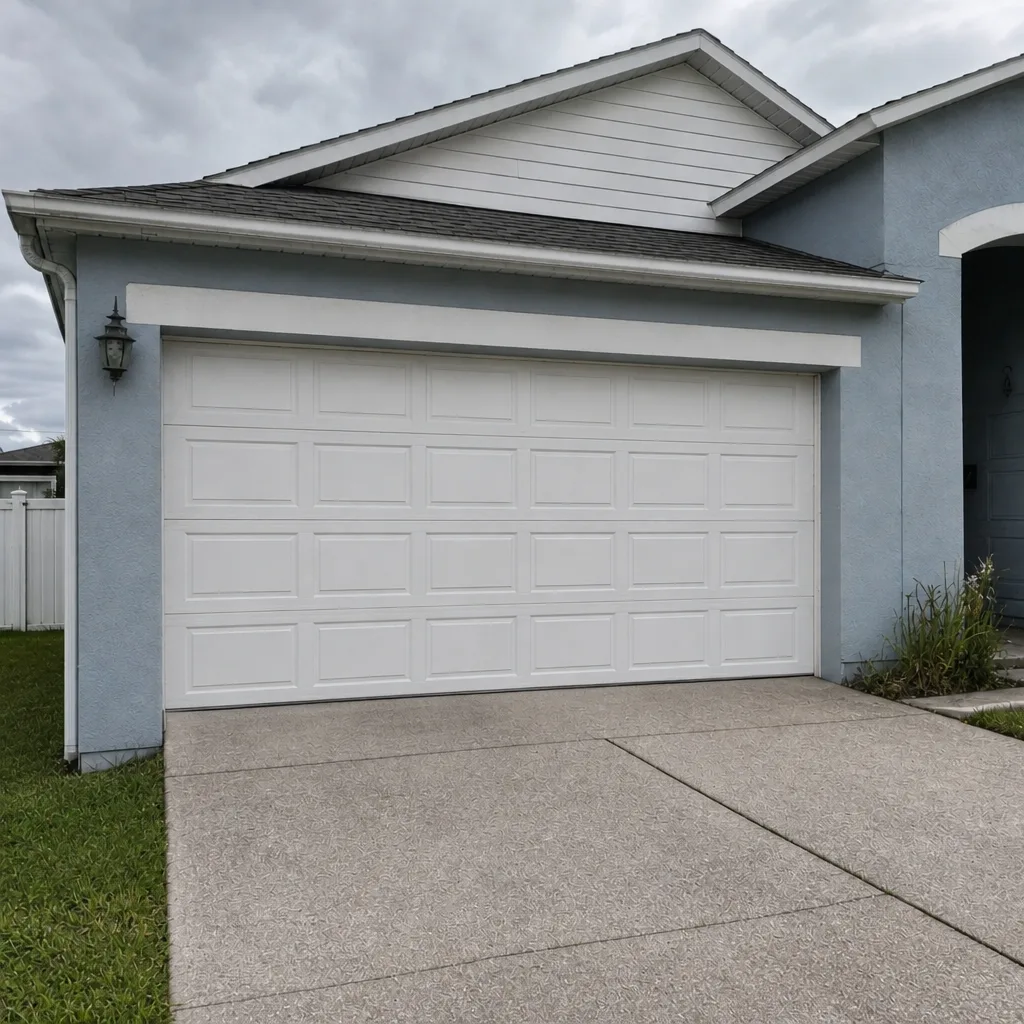 After
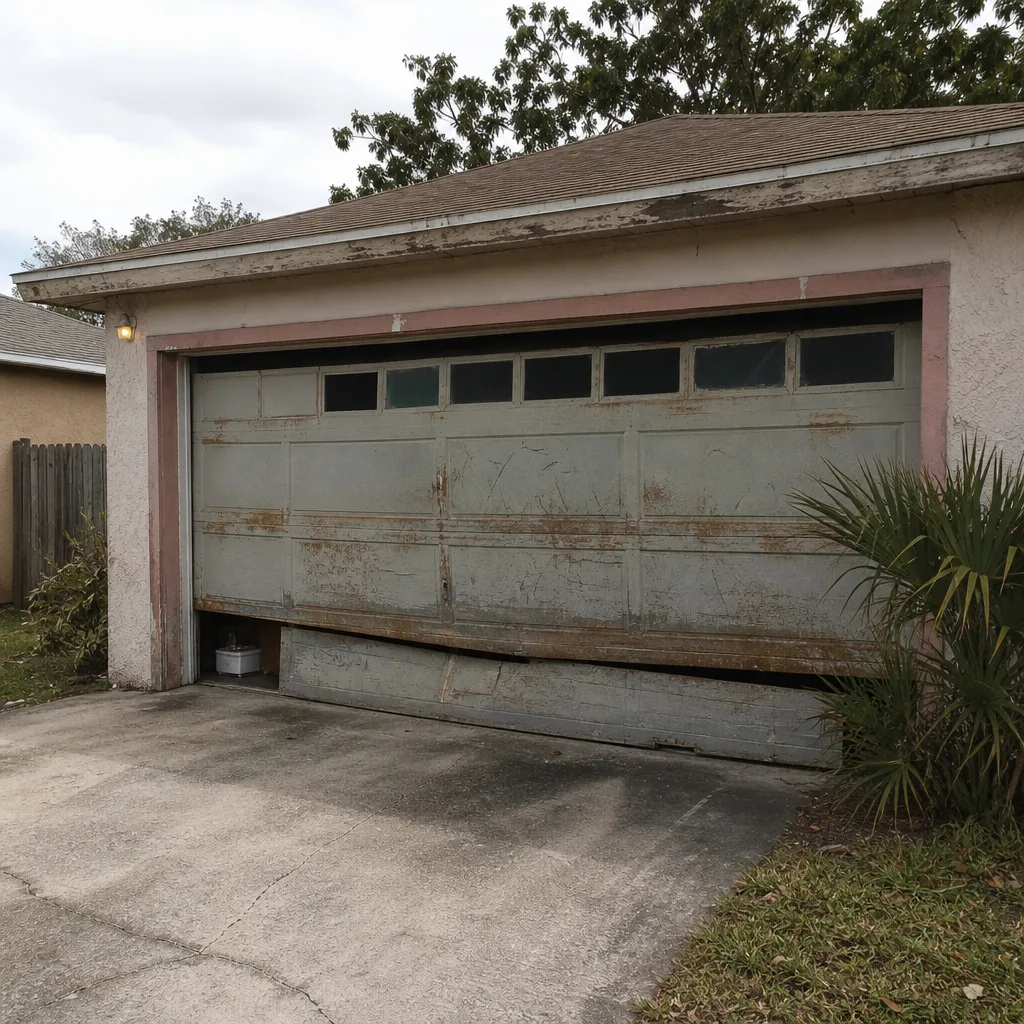 Before
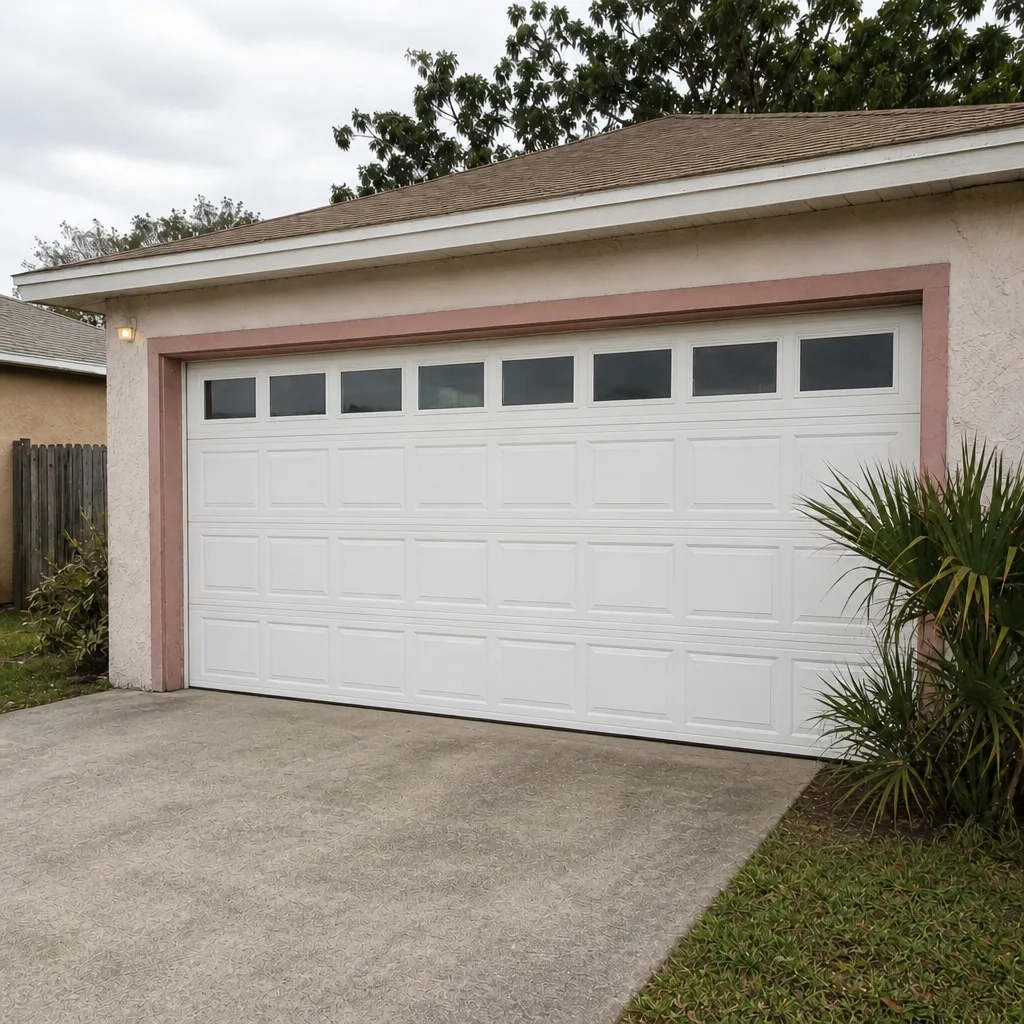 After
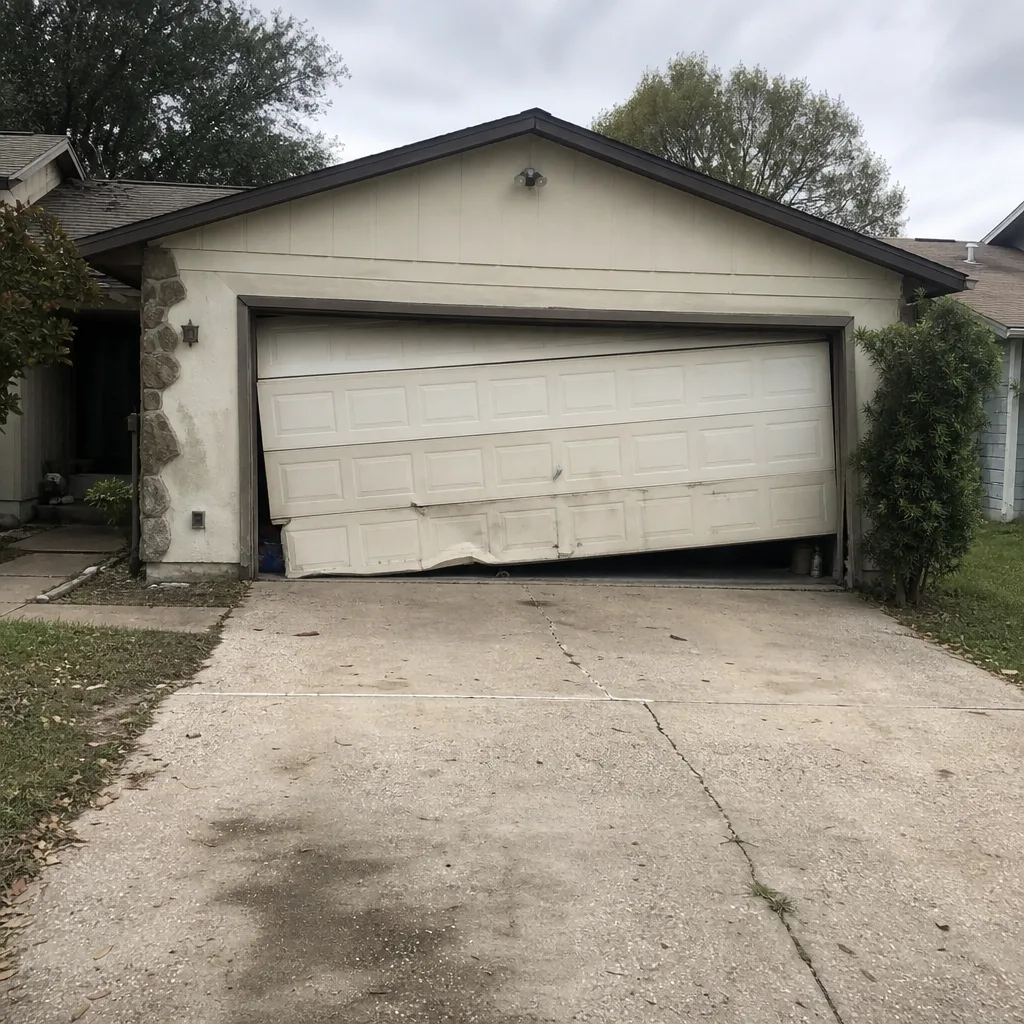 Before
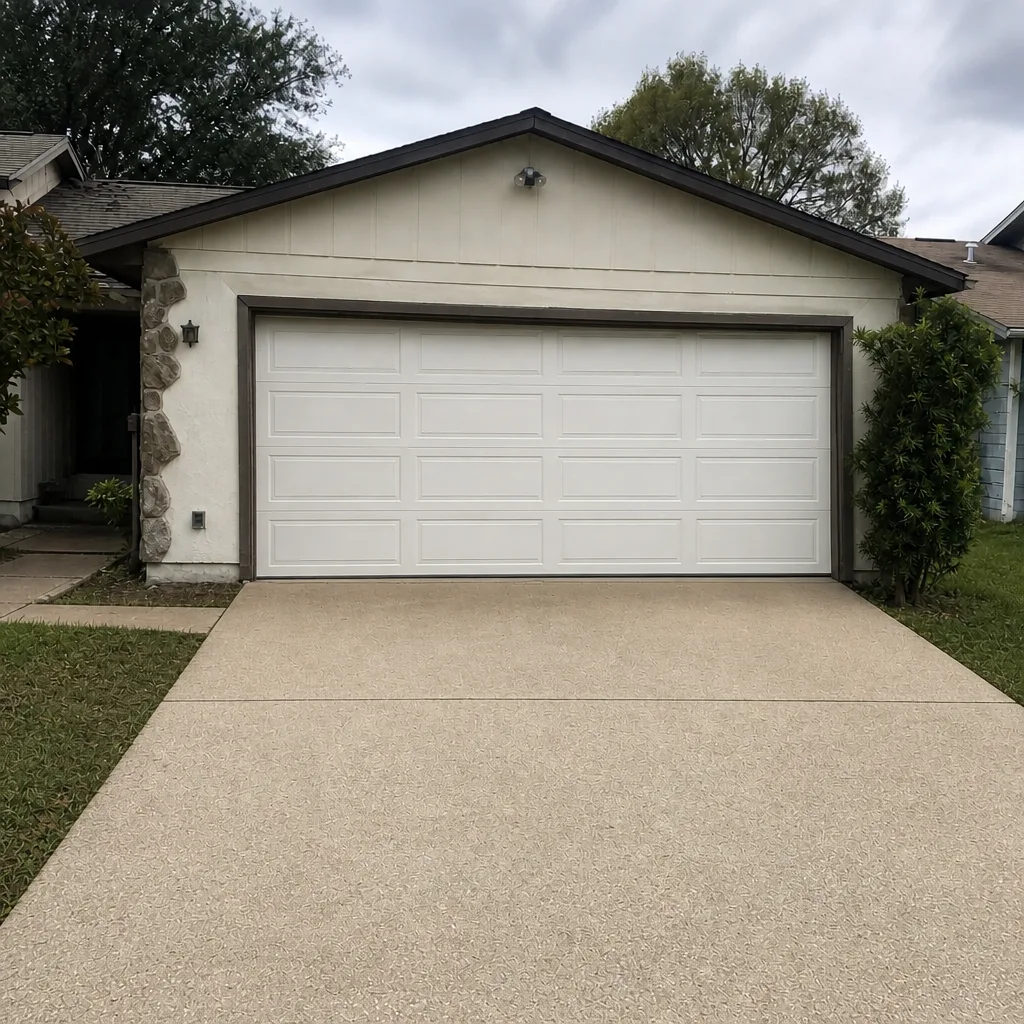 After
Opener Maintenance Most Checklists Skip
Opener maintenance is usually treated as an afterthought on garage door checklists, which is odd given how often openers are the thing that actually fails. In our experience, a large share of opener failures trace back to a door that’s been out of balance, so the best opener maintenance is keeping the door itself in shape. But there are opener-specific checks worth doing.
What to check on your opener:
- Force settings: Modern openers have a force adjustment that determines how hard they push before reversing. If your door has gotten heavier and the opener is straining, the force setting may be masking a balance problem. Don’t crank it up to compensate.
- Travel limits: The door should open fully and close fully without slamming or stopping short. If the limits have drifted, the opener needs recalibration.
- Safety sensors: The photo-eye sensors at the bottom of the tracks should be aligned, clean, and working. Test by blocking one with your foot while closing the door. It should reverse immediately.
- Battery backup: If your opener has a battery backup, test it once a year. In Florida’s heat, backup batteries degrade faster than the manufacturer’s timeline suggests.
- Chain or belt tension: A loose chain slaps and a loose belt slips. Both are adjustable, but if the tension keeps loosening, the opener may need service.
We work on the brand you already have, whether that’s a LiftMaster, Chamberlain, Genie, or another common platform. Opener repair is its own specialty for us, not a sideline. If your opener is struggling, garage door opener repair in Riverview is the place to start, because the issue is often the door’s balance rather than the opener’s electronics. A technician can tell the difference in one visit. For doors that are due for replacement rather than repair, Clopay and Amarr models are what we install and service most often, and both hold up well to this climate when the hardware is maintained.
Seasonal Timing for Riverview Homeowners
Timing your maintenance around Riverview’s seasons makes the work more effective. Here’s how the checklist maps to the calendar.
- Before rainy season: This is the priority window. Check weatherstrip and threshold seals, clear the tracks, and confirm the safety reverse is working. Water intrusion during heavy rain is the most common seasonal problem.
- Mid-summer: Re-lubricate. The heat breaks down lubricant faster, and this is when the corrosion check matters most because the dew-point cycle is at its most aggressive.
- After rainy season: Inspect for water damage, frame softening, and corrosion that may have accelerated during the wet months. Run the halfway test to confirm the springs are still balanced.
- Cooler months: This is the best window for the annual technician inspection and for any repairs or replacements you’ve been putting off. The work is easier to schedule and the door is under less thermal stress.
The point of seasonal timing isn’t ritual. It’s putting the right check in front of the right risk. Seal checks before the rain, corrosion checks during the humidity, and the full inspection when the weather cooperates. That sequence catches more than a generic annual visit ever would.
Common Mistakes to Avoid
- Following a generic checklist built for a cold climate. If your maintenance guide doesn’t mention humidity, corrosion, or heat-stable lubricant, it wasn’t written for Riverview. The failure patterns are different here, and a checklist that ignores them misses the points that matter most.
- Using white lithium grease in summer. It thins and runs off above 90°F, which is most of the year here. A heat-stable silicone or synthetic lubricant protects the door’s moving parts far better in this climate.
- Skipping the cable drum and bottom bracket inspection. These are the spots where corrosion starts, and they’re easy to overlook because they’re not where the noise comes from. Checking them quarterly is the highest-value five minutes in the whole routine.
- Cranking up the opener’s force setting to fix a heavy door. If the door has gotten heavy, the springs are weakening. Raising the force setting masks the problem and wears out the opener faster. Fix the balance, not the symptom.
- Ignoring a failed balance test. A door that sinks at the halfway point will keep getting heavier. Left alone, it strains the opener and accelerates wear on the cables and rollers. It’s the clearest early warning a door gives.
- Waiting for water in the garage before checking seals. By the time you see water, the seal has been failing for a while, and the frame and panels have been getting wet too. Check seals before rainy season, not after.
- Trying to adjust springs or cables yourself. These components are under extreme tension and the work is genuinely dangerous. A professional should handle anything involving springs or cables, every time.
When to Call a Professional
Some problems are homeowner maintenance. Others aren’t, and knowing the difference protects both your door and your safety. Call a professional if the halfway test fails, if you find heavy corrosion at the cable drum or bottom bracket, if a cable looks frayed or flattened, if the door moves in jerks or won’t close straight, if the safety reverse doesn’t work, or if the opener strains, grinds, or stops responding to the remote. Any of these means something needs diagnosis, not a DIY attempt. Springs and cables are under tension that can cause serious injury, and opener calibration requires specific tools and settings. Goodwin Garage Door Repair offers free estimates in Riverview – call (855) 473-8424. We answer 24/7. Fast dispatch from 7am to 7pm, Sunday through Friday. Our technicians have up to 13 years of experience, and the price is quoted and agreed before any work starts, so there are no surprises on the invoice.
Frequently Asked Questions
Quarterly homeowner checks plus one annual technician inspection is the right rhythm for Riverview. The humidity here accelerates corrosion and breaks down lubricant faster than in drier climates, so quarterly is a realistic interval rather than a cautious one. The annual visit covers springs, cables, and opener calibration, which are the items that need professional tools and eyes. Call (855) 473-8424 for an exact quote on a technician visit – estimates are free.
Most garage door repairs in Riverview fall somewhere between a minor adjustment and a spring or cable replacement, and the price depends on what actually failed and which brand of hardware is on the door. LiftMaster, Chamberlain, Genie, Clopay, Amarr, and the other common brands all vary in parts cost. We give a free estimate and set the price per job in a written quote before any work begins, so you know the number before the technician starts. Call (855) 473-8424 for an exact quote.
No. The written estimate we give you is the price, and we agree it with you before any work starts. If the inspection turns up something different from what we expected, we tell you and re-quote before touching the door, rather than adding items to the invoice after the fact. Call (855) 473-8424 to book a free estimate.
Often, yes. Same-day service is available for repair calls, and our technicians carry the common parts for the brands we work on. We answer 24/7, and dispatch runs from 7am to 7pm, Sunday through Friday. A call outside dispatch hours is booked into the next opening. Call (855) 473-8424 to check availability for today.
A heat-stable silicone or synthetic spray lubricant, not standard white lithium grease. Lithium grease softens and runs off above 90°F, which is most of the summer in Riverview, and it collects grit as it migrates. Apply to hinges, roller stems, and torsion shaft bearings quarterly rather than annually. If you’re not sure what’s on your door now, a technician can tell you during a routine visit. Call (855) 473-8424 for a free estimate.
Our technicians are experienced, with up to 13 years in the trade, and we connect homeowners with insured local professionals who handle garage door work specifically. Every job is quoted in writing before work begins and the estimate is free. If you have a question about credentials for a specific job, ask when you call. Call (855) 473-8424 for an exact quote – estimates are free.
The Bottom Line
The maintenance checklist that actually works in Riverview is built around humidity, not around a generic list of parts. Check the cable drums, bottom brackets, and torsion shaft quarterly for corrosion. Test the door’s balance at the halfway point and treat a failure as a warning, not a nuisance. Lubricate with a heat-stable product, not white lithium. Keep your weatherstrip and threshold seals ahead of rainy season. Do the homeowner work quarterly, book one technician inspection a year, and leave springs, cables, and opener calibration to a professional. If something on this checklist turns up a problem, call (855) 473-8424 for a free estimate. We answer 24/7, with fast dispatch from 7am to 7pm, Sunday through Friday. Goodwin Garage Door Repair works on the brand you already have, and Riverview homeowners count on us for accurate diagnosis and honest answers. For the full picture of what we do, see Goodwin Garage Door Repair.
Written by the team at Goodwin Garage Door Repair.