
Last updated November 15, 2026
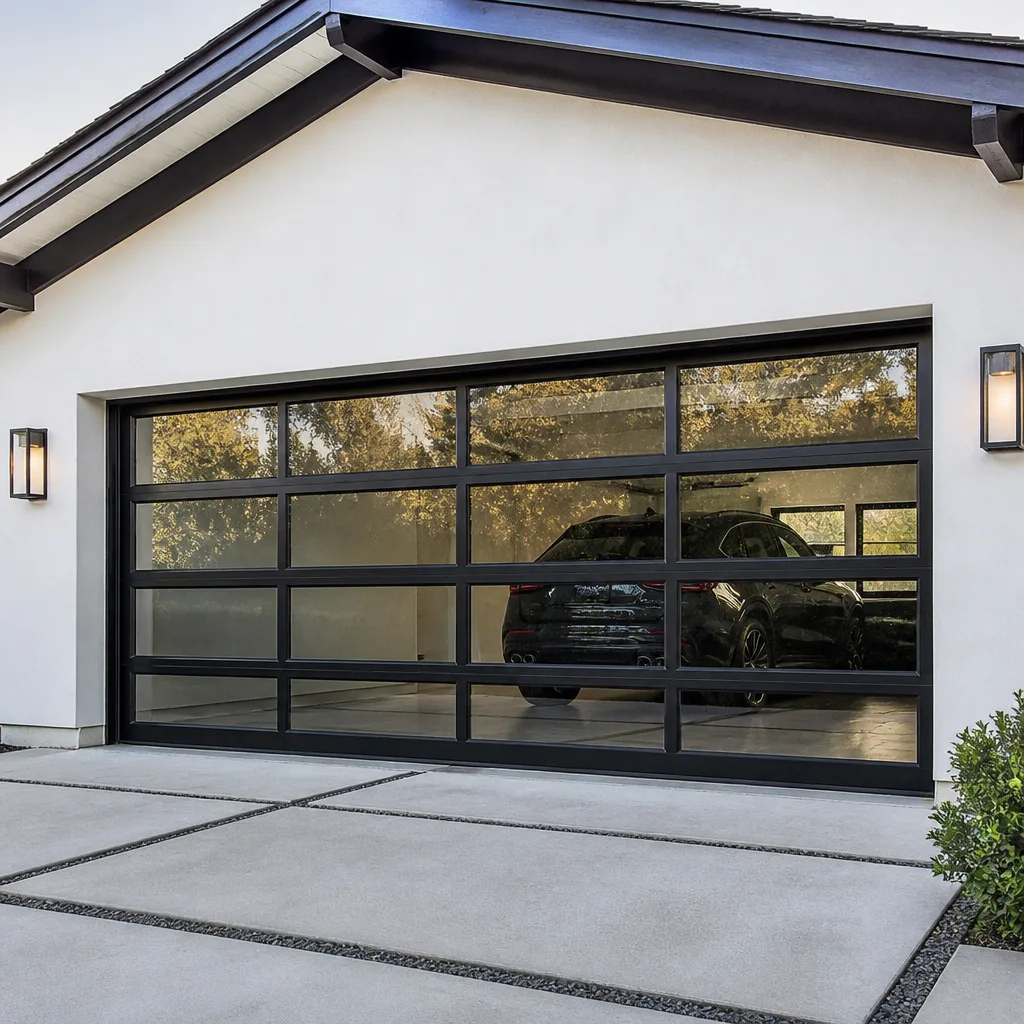 Full-view glass
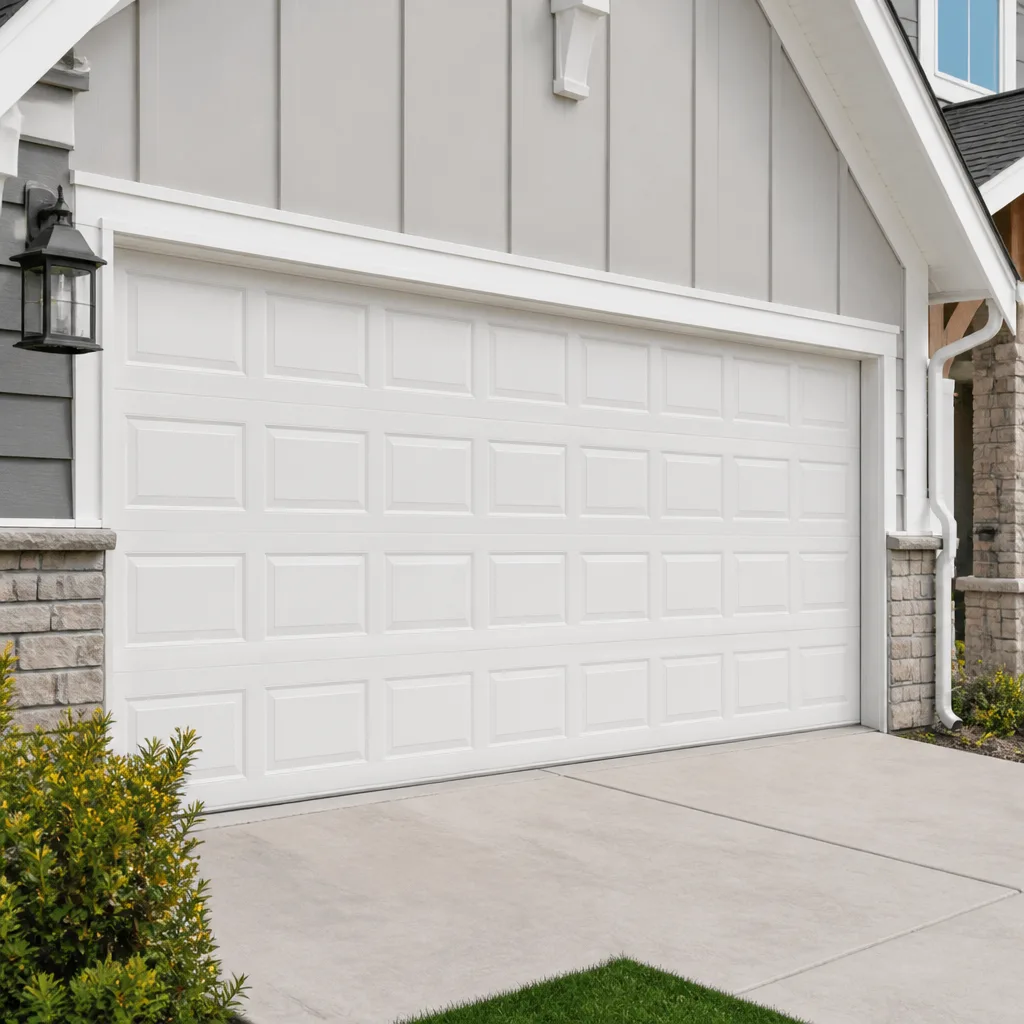 Raised-panel steel
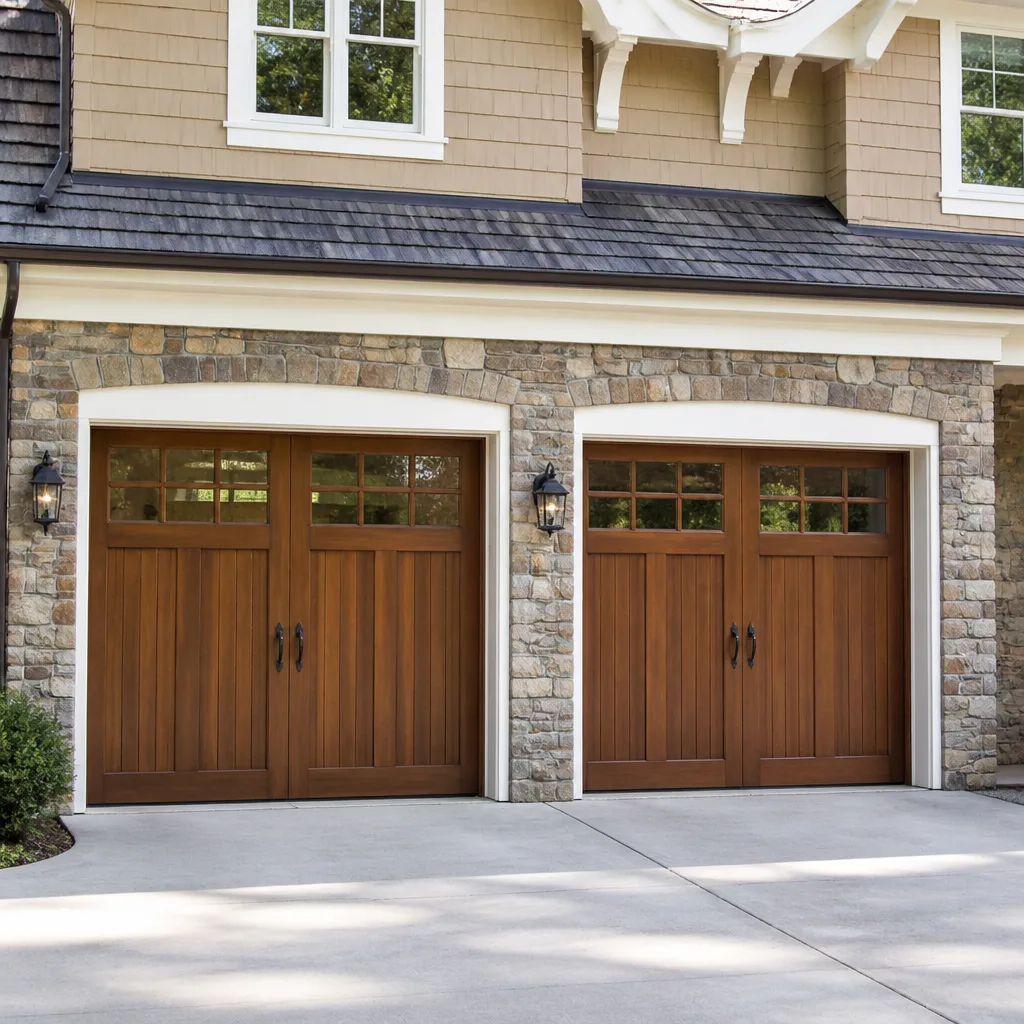 Carriage house
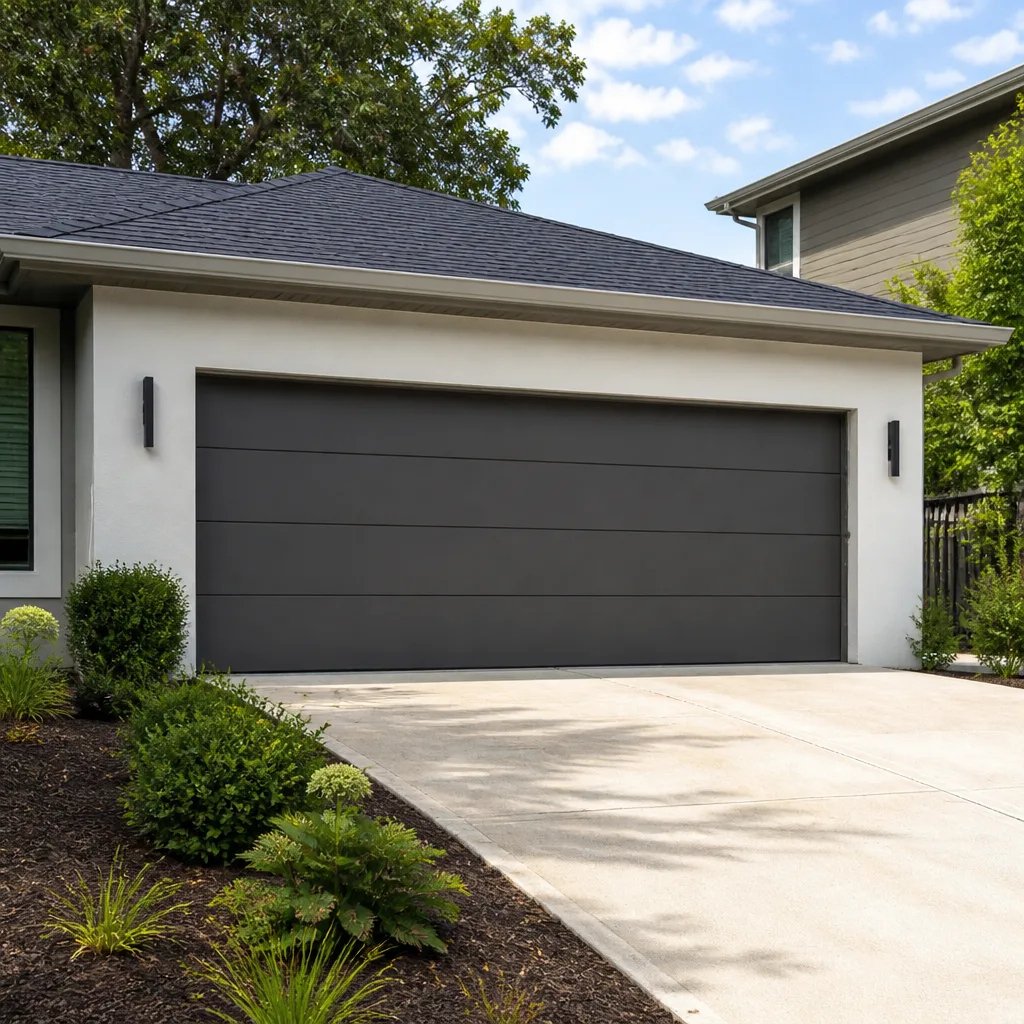 Modern flush
 LiftMaster openers
 Chamberlain openers
Full 25-point door and opener safety check with every visit - springs, cables, rollers, tracks, and your LiftMaster or Chamberlain opener included
You get a price before we start. It does not change when the pro arrives.
Get your free estimateChoosing the Right Garage Door Brand: A Buyer’s Guide for Riverview
Most people shopping for a garage door start with the name on the brochure. That’s backwards. In Riverview, the brand name on the door matters far less than the Florida Product Approval number assigned to that exact model by the Florida Building Commission – and some of the most heavily advertised brands have approval gaps in their product lines that buyers don’t discover until a building inspector or an insurance reviewer asks a question they can’t answer. A door can be beautiful, well built, and still fail the paperwork test that matters in Hillsborough County. This guide walks through how approval works, how to look up a specific model before you buy, how different brands hold up in Riverview’s humidity, and where the real differences between Clopay, Amarr, Wayne Dalton, and the opener makers actually show up.
Quick Answer
The right garage door brand for a Riverview home is the one that publishes a valid Florida Product Approval or Miami-Dade NOA for the specific model and size you’re buying, uses hardware suited to a humid subtropical climate, and has an opener platform that pairs cleanly with the door system. Prestige matters less than documentation. If a manufacturer can’t produce an approval number for your exact door and wind zone, the brand is the wrong choice no matter how good the marketing looks.
Styles & brands we work with
- Raised-panel steel
- Carriage house
- Modern flush
- Full-view glass
- LiftMaster openers
- Chamberlain openers
Table of Contents
- What Florida Product Approval Actually Certifies
- How to Look Up a Door’s Approval Number Before You Buy
- Brand Differences in Florida Humidity: Hardware, Finishes, and Fasteners
- Wind-Load Ratings and Size Limits: Why the Same Brand Passes on One Model and Fails on Another
- Opener Brand Alignment and Smart-Home Integration
- Warranty Reality: What the Manufacturer Covers and What It Doesn’t
- How the Major Brands Compare for a Riverview Installation
- What a Brand-Informed Installation Actually Involves
What Florida Product Approval Actually Certifies
Florida Product Approval is not a brand-level stamp. It’s a model-level, size-specific certification that says the door assembly you’re buying has been tested or evaluated to resist a defined design pressure, and that it will perform as tested only when installed with the exact hardware the approval lists. That distinction trips up a lot of buyers in Riverview who assume “Clopay is approved” or “Amarr is approved” means every door from that manufacturer clears code. It doesn’t.
Here’s what the approval document actually covers:
- Design pressure (DP) rating – the tested wind-load the assembly can resist, expressed as a positive and negative pressure. Your home’s required DP depends on location, exposure category, and building height.
- Specific size limits – the approval is typically valid up to a maximum width and height. Oversize doors usually require a separate approval or engineering letter.
- Required hardware – hinges, struts, jamb attachments, and anchor spacing are named in the approval. Substituting “equal” hardware voids it.
- Installation method – fastening schedule and substrate requirements are part of the certification, not a suggestion.
What this means for a Riverview homeowner: two doors from the same brand, same style, different widths can have different approval status. A 9-foot door might be fully approved while the 16-foot version needs an engineering sign-off. That’s why the approval number has to match the model and size on your quote, not just the brand logo on the showroom wall. When we quote a door for a Riverview address, the approval document is part of the file. It should be part of yours.
How to Look Up a Door’s Approval Number Before You Buy
Every manufacturer that sells doors into Florida publishes their approval numbers, but they’re often buried. Here’s the sequence we walk Riverview customers through when they want to verify a door before signing.
- Get the exact model and size in writing. Not “Clopay Classic” – the full model designation plus the width and height. Approval is size-specific.
- Ask the seller for the Florida Product Approval number or Miami-Dade NOA number. A reputable supplier has it on file. If they have to “find out and call you back,” note that. If they can’t produce it at all, that’s the answer.
- Search the Florida Building Commission’s product approval database. The state maintains a public online portal. Search by manufacturer name, then filter by product type (sectional garage door), then match the model and size to your quote.
- Open the evaluation document. Look for the design pressure range, the maximum size the approval covers, and the hardware schedule. Confirm the DP meets or exceeds what your home requires.
- Check the expiration date. Approvals have a validity period and can lapse. An expired approval is a problem at inspection.
- Cross-check the hardware list against the quote. If the door is approved with specific struts or hinges and the installer is proposing something else to save cost, the approval doesn’t apply.
For Clopay, Amarr, and Wayne Dalton, this process usually takes fifteen minutes once you have the model number. It’s worth more than any amount of brochure reading, because it tells you whether the door will pass inspection before you’ve paid for it.
Brand Differences in Florida Humidity: Hardware, Finishes, and Fasteners
Riverview sits in a humid subtropical climate with a long wet season and high year-round humidity. Garage doors in this environment face a different failure pattern than doors in dry climates: fasteners and hinges corrode before the panels do, and the corrosion usually starts at the bottom section where moisture lingers longest.
What separates the brands here isn’t panel construction – most of the major names use similar steel and insulation approaches. It’s the hardware:
- Standard hardware vs. upgrade hardware. Several manufacturers ship their baseline doors with zinc-plated or galvanized hinges that hold up reasonably well but degrade faster in prolonged humidity. Stainless or heavier-coated hardware is often an upgrade line item, not standard.
- Bottom-section components. The bottom seal, bottom bracket, and the fasteners holding them see the most moisture. Some brands use aluminum or coated steel here as standard; others spec standard steel and sell the upgraded version separately.
- Finish systems. Painted steel vs. factory-baked finishes vs. woodgrain overlays each hold up differently in humidity. A finish that resists humidity well is worth more in Riverview than a slightly prettier color.
- Roller and track material. Nylon rollers and coated tracks outlast standard steel in humid conditions.
When we specify a door for a Riverview installation, the hardware schedule is part of the conversation. A door that looks identical to the neighbor’s can have a different hardware package, and that’s the difference between a fifteen-year door and a problem in year eight.
Wind-Load Ratings and Size Limits: Why the Same Brand Passes on One Model and Fails on Another
The most common misconception we hear from Riverview homeowners is that approval is a brand attribute. It’s not. Within any manufacturer’s lineup, some models carry approval across a full range of sizes, some are approved only at smaller widths, and some require reinforced versions or engineering letters to clear code at larger sizes.
Here’s how to think about it:
- Small single-car doors are usually the easiest to approve across most brands. Standard 8- or 9-foot widths often clear at the lowest reinforcement level.
- Double-car doors at 16 feet frequently require strut reinforcement or a specific spring package to hit the required design pressure. The brand may be approved, but the model as base-spec may not be.
- Oversize and custom doors often fall outside the standard approval range and require a separate evaluation. This is where buyers get surprised after ordering.
- Unreinforced vs. reinforced versions of the same model can carry different numbers. If you upgrade to double doors, check that the approval covers it.
What we do on a Riverview job is match the required DP for the address against the approval’s size range before the order is placed. If the door the customer wants doesn’t have an approval at their width, we offer a reinforced version, a different model within the same brand, or a different brand entirely. The point is that the conversation happens before the door is on a truck, not after the inspector’s first visit. Our garage door repair team runs into the consequences of the reverse scenario often enough – doors installed without matching approval documents – to know it’s a headache that starts at the point of purchase.
Opener Brand Alignment and Smart-Home Integration
Chamberlain and LiftMaster are the same corporate family, and that’s not a trivial detail when you’re pairing a door system with a smart-home platform. If the door is a Chamberlain or LiftMaster system and the opener is from the same parent, the integration is straightforward: one app, one account, one firmware track, and consistent behavior with automation platforms. Mix a Chamberlain door with a Genie opener and the integration gets more layered – still workable, but with more moving parts.
For Riverview homes being built or upgraded with smart-home features, we generally recommend one of two approaches:
- Match opener and door platform when possible. A LiftMaster opener on a Chamberlain door system, or vice versa, keeps the integration clean and reduces the number of apps and accounts you’re managing.
- If mixing brands, verify the opener’s compatibility list. Genie and LiftMaster both work fine as standalone units, but pairing them with a door system from a different family means checking the compatibility matrix and possibly adding a bridge device for home automation.
If the opener is the failure point – which it often is – our garage door opener repair techs work on all of the major platforms. The brand question is really about what you’re building toward: a single ecosystem, or a mix that still works with a bit more oversight.
Warranty Reality: What the Manufacturer Covers and What It Doesn’t
Manufacturer warranties on garage doors are typically divided into sections: a limited warranty on the door sections themselves, a warranty on the hardware, and a warranty on the finish. What each section covers, and what it excludes, varies by brand and by model tier. In Florida’s climate, the exclusions matter as much as the coverage.
Some points to verify on any warranty before you buy:
- Finish coverage. Some warranties cover finish degradation for a set number of years; others exclude it entirely. In a humid climate, finish failure is a real concern, so the wording is worth reading.
- Hardware exclusions. Hinges, rollers, and fasteners are often covered for a shorter period than the door sections, or excluded from coverage when corrosion is the cause.
- Installation is not the manufacturer’s responsibility. The door warranty covers the product. It does not cover the labor to remove and replace a failed door or component. That’s a separate labor warranty from whoever installs the door.
- Approval status matters for coverage. A door installed outside its approval (wrong size, wrong hardware) can be excluded on the grounds it wasn’t installed per the manufacturer’s published instructions.
This is the part most buyers miss. A brand with an excellent product warranty still leaves labor uncovered. Ask the seller to put the labor warranty in writing before the order goes in, and confirm what the manufacturer’s hardware and finish sections actually say. When we install a door in Riverview, the labor side of the warranty is on paper. That’s not a differentiator – it’s just the baseline a buyer should expect.
How the Major Brands Compare for a Riverview Installation
Without ranking them – the right brand depends on the door you actually need – here’s the general character of each major manufacturer for a Riverview buyer:
- Clopay – one of the most widely specified residential lines, with a large model range across insulation levels and styles. Good availability and a broad approval footprint. A common default for standard resale-friendly installations.
- Amarr – strong steel door lineup with a range of insulated and non-insulated models. Frequently specified in Florida residential work and worth comparing side-by-side with Clopay on any given model.
- Wayne Dalton – often competitive on thermal performance and available in a range of panel designs. Approval documentation is published per model, so the model-and-size check applies the same way as with the others.
- Haas – a smaller name in some markets but frequently specified on Florida projects. Approval is typically per model, and the documentation is straightforward when you have the model number.
- Raynor – a mix of sectional door and opener work, with a range of models for both attached and detached garages.
- Craftsman – a common opener brand in Riverview homes, so it comes up often in repair work even where the door is from a different manufacturer.
For Riverview buyers specifically, the practical advice is to pick the door by approval number and hardware package first, brand second. If two brands both have the right approval at your size and both offer upgraded hardware as standard, then style and price break the tie. Our broader Goodwin Garage Door Repair team has spent years comparing these same trade-offs across the region, and the answer is rarely “one brand wins.” It usually comes down to which model and size has the paperwork you need.
What a Brand-Informed Installation Actually Involves
Brand choice gets you the product. Installation gets you a working door. In Riverview, a proper install goes like this:
- Measure and confirm the required DP for the address. This is a wind-load calculation based on location, opening size, and building configuration – not a guess.
- Match the door model to an approval at that size. Reinforced versions, specific spring packages, and hardware schedules are chosen here.
- Confirm the opener platform and spring setup. The door weight drives spring selection, and the opener choice should match the door family where integration matters.
- Pull any required permit. Ask your city’s building department what a door replacement or new install requires at your address.
- Install to the manufacturer’s approval schedule. Fasteners, struts, jamb attachments, and anchor spacing all follow the approval document. Substituting “equivalent” parts voids the approval.
- Balance and test. The door should run smoothly by hand, the opener should engage and disengage cleanly, and the safety reverse should trigger correctly on obstruction.
- Document the install. Keep the approval number, hardware list, and warranty paperwork in a file – it’s what you’ll need if the door is ever inspected or replaced.
A door is a heavy, tension-loaded assembly, and the springs and cables underneath are the parts most likely to injure someone who works on them without training. We don’t recommend homeowners adjust or replace springs. The stored energy in a wound torsion spring is enough to cause serious injury, and the correct winding and balancing procedure depends on the exact spring spec. That’s a job for a trained technician with the right tools. If you’re uncertain about the state of your current system, our garage door repair service is the right starting point.
Common Mistakes to Avoid
- Buying by brand name instead of approval number. Two doors from the same manufacturer can have different approval status at different sizes. The brand is the starting point, not the answer.
- Accepting an oversize door that exceeds the approval. A door that’s too large for its approval range will likely need a separate engineering sign-off, or a different model entirely, before it’s approved on a Riverview address.
- Upgrading hardware without updating the paperwork. Swapping to a nicer hinge or strut package on the day of install can void the approval if the swap isn’t on the approval document. Confirm the changes are listed before the order goes in.
- Assuming the brand warranty covers labor. It doesn’t. Labor coverage is a separate agreement with the installer, and it needs to be in writing.
- Mixing opener and door brands without checking compatibility. A Genie opener on a Chamberlain door will usually work as a standalone unit, but smart-home integration can require extra steps. If integration matters to you, check the compatibility matrix before ordering.
- Choosing finishes without asking how they hold up in humidity. A finish that looks great on a showroom wall may not be the best pick for Riverview’s wet season. Ask specifically about the finish system and what its warranty excludes.
- Skipping the permit. Door replacements and new installs often require a permit depending on the address and the scope. Ask the city’s building department before scheduling, not after.
See the difference
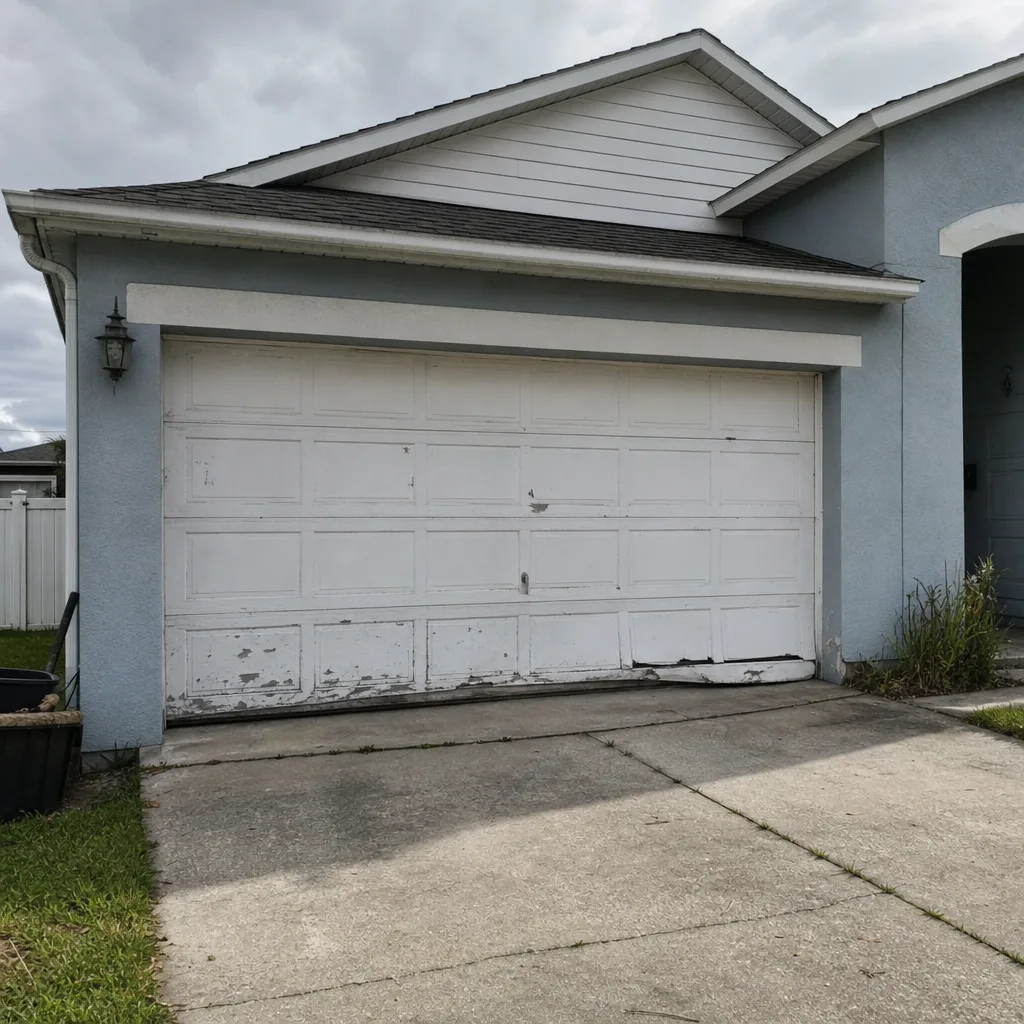 Before
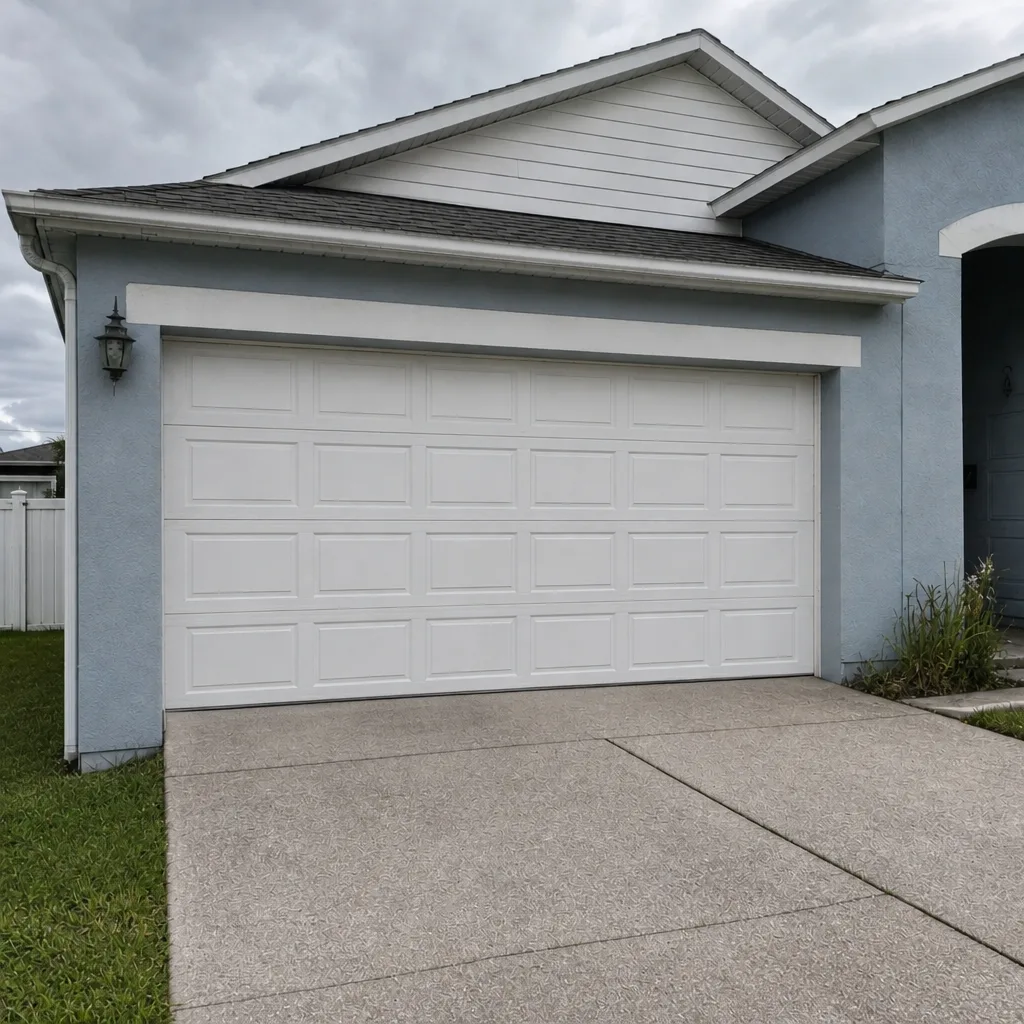 After
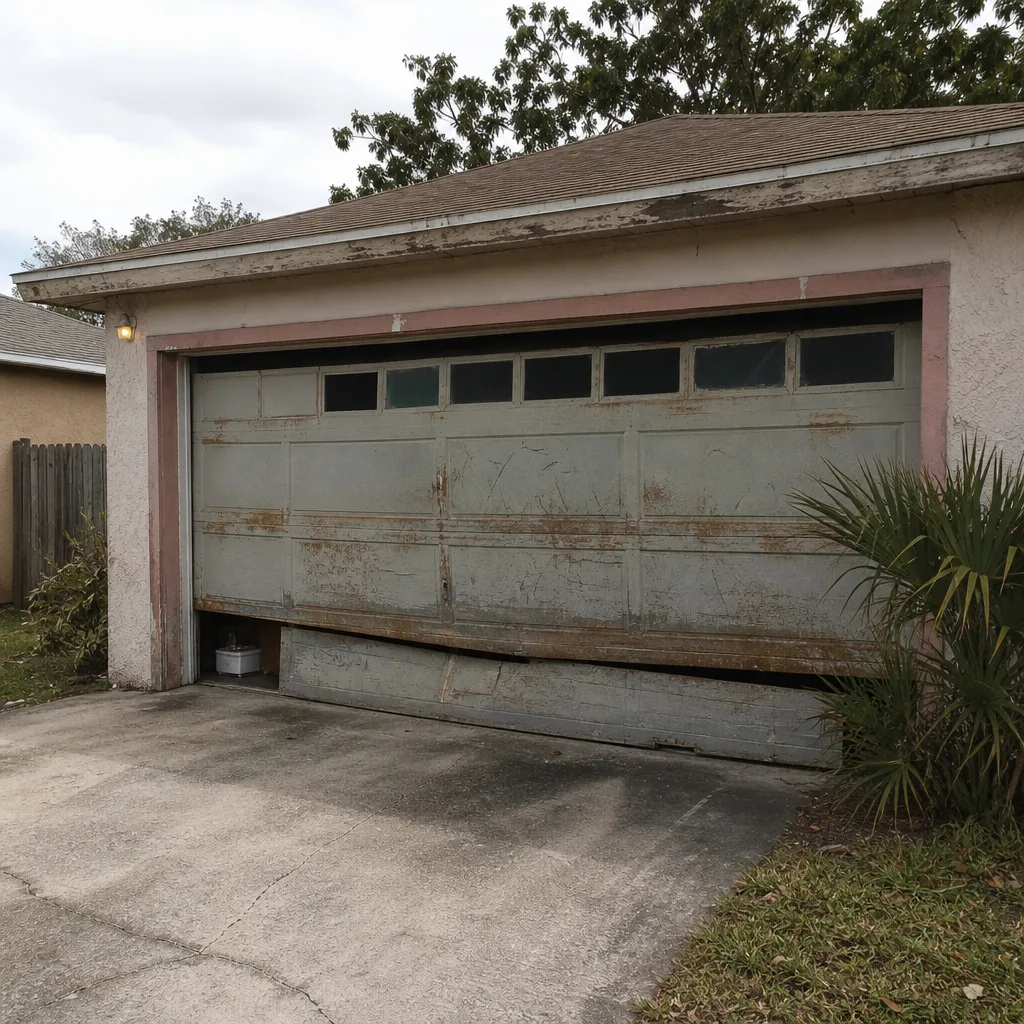 Before
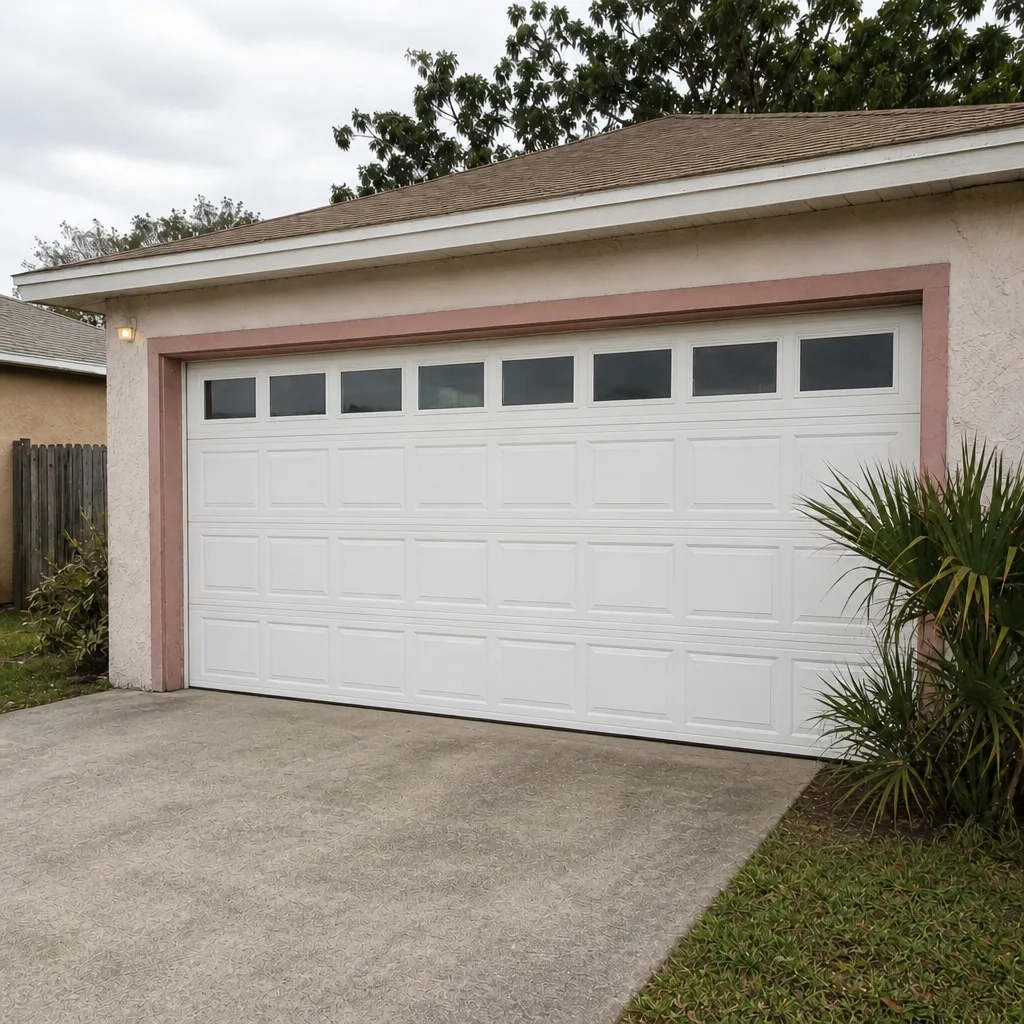 After
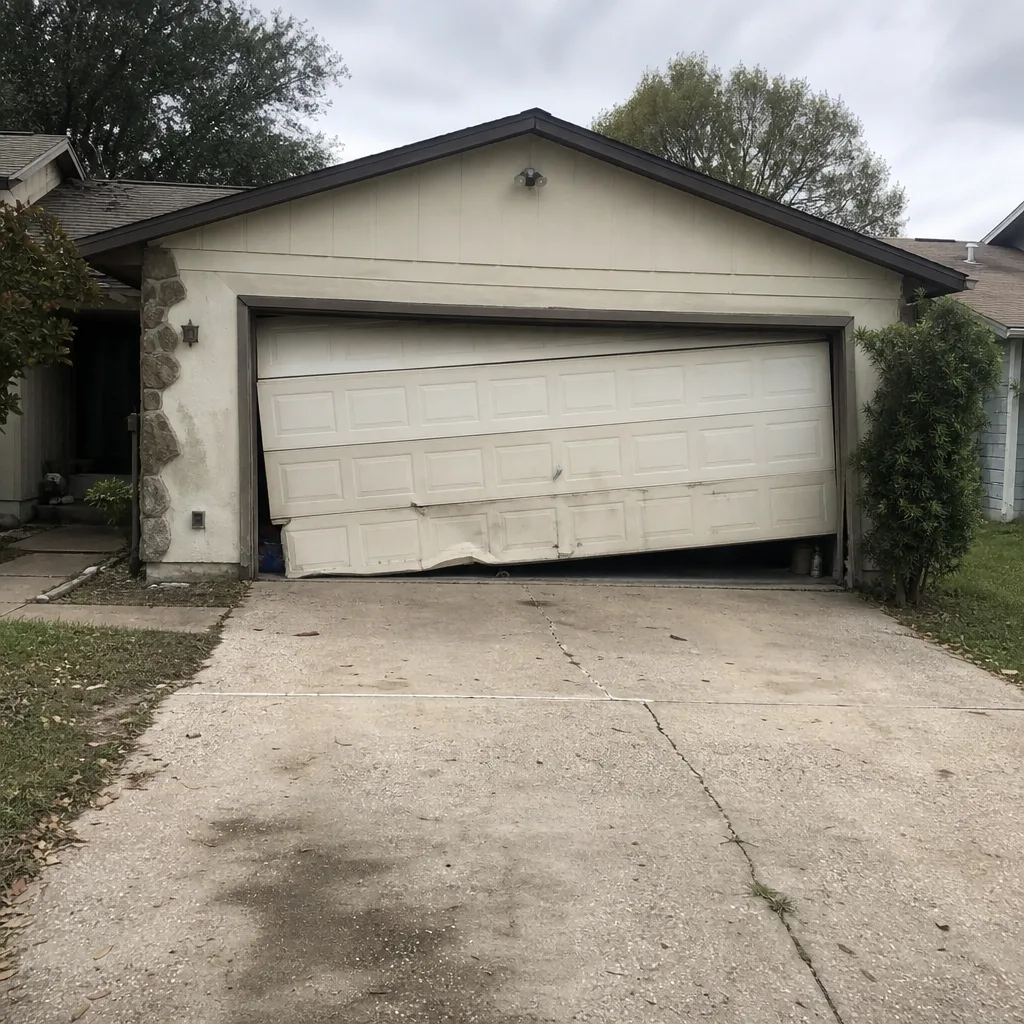 Before
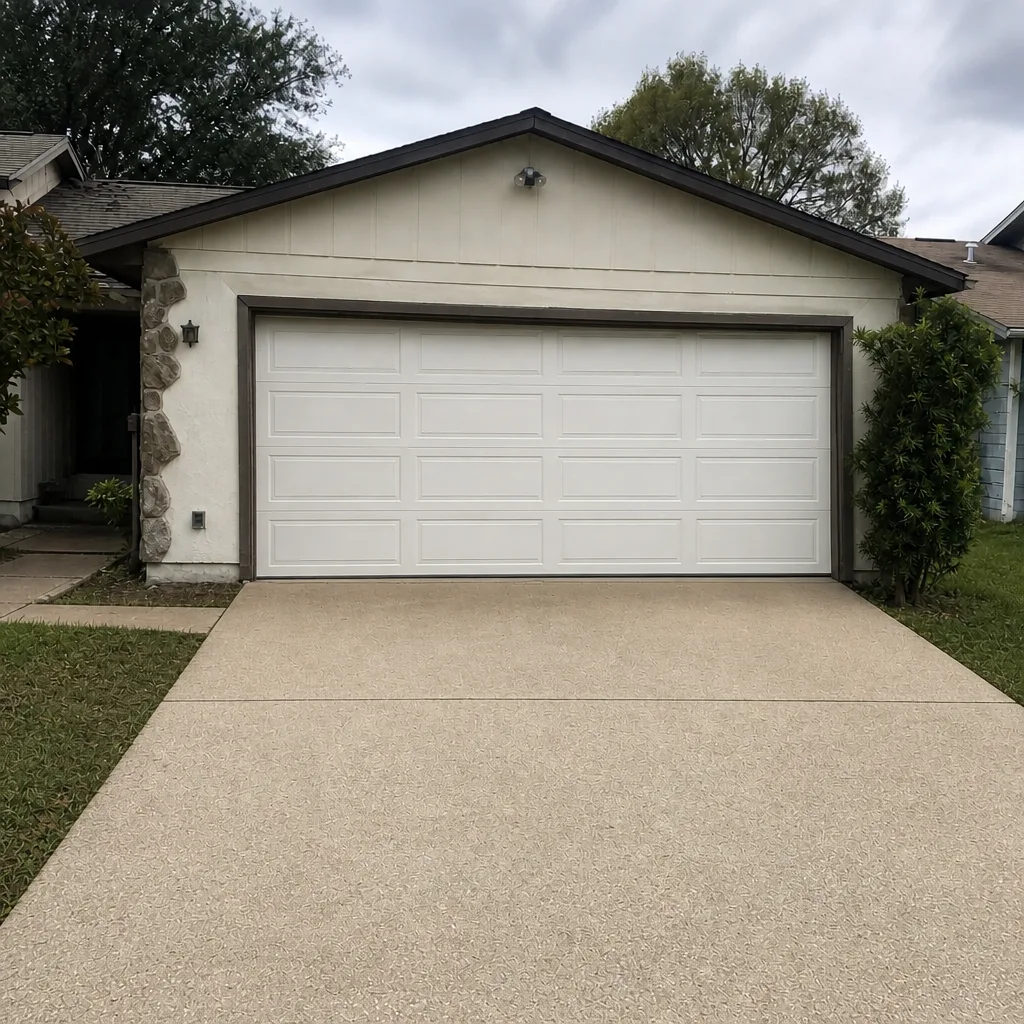 After
When to Call a Professional
Some garage door questions are paperwork questions: what approval number applies to a model, what size the approval covers, what hardware is required. Others are hands-on: a spring has failed, a cable is slipping, an opener runs but doesn’t lift, or the door has come out of balance. The first set can be researched. The second set is where the danger sits, and it’s where a specialist call makes sense. If the door is heavy to lift, if it comes off the track, if you hear a snapping or popping sound from the springs, or if the opener runs without moving the door, the safest move is to have it looked at before it’s used again. Goodwin Garage Door Repair offers free estimates in Riverview – call (855) 473-8424. We answer 24/7, and fast dispatch runs from 7am to 7pm, Sunday through Friday.
Frequently Asked Questions
There isn’t one best brand for Riverview – the right choice is the model with a Florida Product Approval covering your exact size, using hardware suited to a humid climate. Clopay and Amarr are both widely specified in Florida residential work, and Wayne Dalton and Haas publish approval documentation per model. Compare your options by approval number first, brand name second. Call (855) 473-8424 for a free estimate.
Get the exact model and size in writing, then search the Florida Building Commission’s public product approval database by manufacturer and model. Open the evaluation document and confirm the design pressure, the size range, and the hardware schedule all match what you’re buying. Call (855) 473-8424 if you want help reading the document before you order.
Brand matters less than the hardware package. What separates one door from another in humidity is whether the hinges, bottom bracket, fasteners, and rollers use corrosion-resistant materials as standard or as an upgrade. Ask the seller directly what hardware is in the base spec. Call (855) 473-8424 and we’ll walk through the hardware list on any quote.
Matching brands simplifies smart-home integration, especially when both come from the same parent company. LiftMaster and Chamberlain are the same corporate family, so pairing a Chamberlain door with a LiftMaster opener keeps the app, account, and firmware in one place. Mixing brands works, but verify compatibility. Call (855) 473-8424 for opener questions.
The manufacturer’s warranty covers the product – door sections, hardware, and finish – but it doesn’t cover labor to remove or replace a failed component. Get the labor side in writing from whoever installs the door. Also confirm the warranty isn’t voided by an unapproved size or hardware substitution. Call (855) 473-8424 and we’ll review the warranty language with you.
Not legally in most cases, and never in a way that will pass inspection. An installation without the correct approval at the correct size and hardware is a code problem at inspection time and a warranty exposure at claim time. Ask the city’s building department what your address requires before ordering. Call (855) 473-8424 if you want to check a quote before you sign.
The Bottom Line
The right garage door brand for a Riverview home is the one with paperwork that matches your specific model and size, hardware that holds up in humidity, and an opener platform that integrates cleanly with the rest of your home. Start with the approval number, not the brand name. Read the hardware schedule, not the brochure. Get the labor warranty in writing, not just the product warranty. And if the door you want has an approval gap at your size, treat that as a signal to change the model, not to skip the check. Everything else – style, finish, insulation – comes after those boxes are ticked.
If you’d like help applying this to a specific door on a specific Riverview address, or if you want a quote that shows the approval number and hardware list up front, get in touch. Goodwin Garage Door Repair offers free estimates in Riverview – call (855) 473-8424. We answer 24/7. Fast dispatch from 7am to 7pm, Sunday through Friday. Our technicians have up to 13 years of experience working with the brands on your home, and we’re happy to go through any quote with you before you commit.
Written by the team at Goodwin Garage Door Repair.